The fresh air system is an indispensable part of physical and chemical laboratory construction. It exerts direct impacts on indoor air quality, operational safety, energy consumption and the stability of overall experimental environment.
1. Air Quality Assurance: Eliminate Contaminants and Improve Experimental Accuracy
The system draws in outdoor fresh air and filters hazardous substances to maintain favorable indoor air quality. It effectively prevents external pollutants and volatile organic compounds from interfering with ongoing experiments.
High-efficiency filtration components such as HEPA and ULPA filters are adopted to remove fine particles, bacteria and chemical aerosols, creating a pure experimental working environment.
Ventilation frequency is scientifically formulated within the standard range of 6 to 12 air changes per hour. This design dilutes indoor contaminant concentrations efficiently, which is highly applicable to areas with frequent chemical reagent application.
2. Safety Enhancement: Prevent Accumulation of Hazardous Gas
Large quantities of chemical agents are applied in daily laboratory operations. Delayed discharge of volatile gas will raise potential safety risks. The fresh air system maintains dynamic balance between exhaust and air supply to avoid hazardous gas buildup.
Negative pressure regulation is applied in high-risk laboratories including chemical synthesis and toxic substance analysis zones. Supplementary fresh air keeps stable negative pressure indoors and stops harmful gas leakage to external areas.
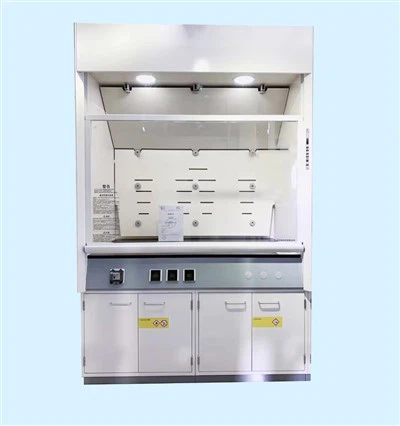
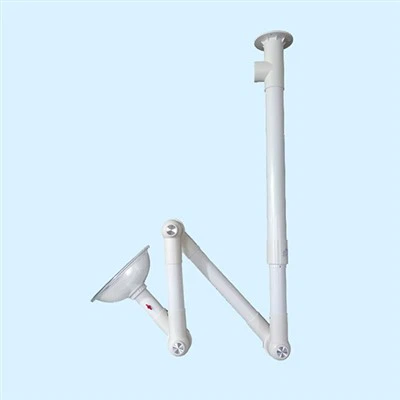
Directed airflow layout is coordinated with fume hoods and exhaust facilities. Air flows steadily from clean zones to polluted zones, preventing air backflow and cross contamination effectively.
3. Energy Consumption Optimization: Balance Operational Efficiency and Energy Conservation
Fresh air facilities account for a major proportion of laboratory energy consumption. Reasonable structural design can effectively cut down energy loss.
Total heat exchangers recover heat and cold energy from exhausted air to preprocess incoming fresh air, reducing operating load of air conditioning equipment.
Variable air volume control adjusts air supply volume dynamically according to practical experimental activities. It satisfies air quality and safety requirements while lowering daily operational costs.
Zoned independent control sets differentiated fresh air parameters for functional areas of varying purposes, eliminating energy waste caused by unified whole-space air supply mode.
4. Constant Temperature and Humidity: Guarantee Credible Experimental Results
Laboratories impose strict requirements on stable temperature and humidity. The fresh air system serves as a key factor affecting such environmental indicators.
Incoming fresh air undergoes pre-treatment procedures including heating, cooling, humidification and dehumidification to avoid sharp fluctuation of indoor temperature and humidity.
The fresh air system operates in linkage with air conditioning systems, keeping environmental indicators within precise ranges and meeting ambient demands of precision instruments and experimental procedures.
5. Operational Reliability: Ensure Stable Long-term Service
Premium fresh air systems are designed to sustain stable long-term operation and exert lasting influence on overall laboratory construction quality.
Low-noise and high-efficiency air handling units are selected to minimize vibration and noise disturbance during operation.
Redundant system configuration is adopted in core laboratories such as clean rooms. Dual fresh air supply circuits avoid interruption of experimental work caused by single equipment breakdown.
Equipment and pipelines are arranged with rational layouts, reserving sufficient access space for routine inspection, maintenance and filter replacement.
6. Standardized Design and Installation: Upgrade Overall Construction Quality
Design and construction quality directly determine the comprehensive performance of laboratory ventilation facilities.
Air distribution is calculated precisely based on air supply and exhaust volume data to eliminate airflow short circuit and dead corners, realizing full-space ventilation coverage.
High-tightness materials and construction techniques are applied for air ducts, preventing efficiency reduction and pollutant leakage resulted from air seepage.
The system parameters match operational demands of fume hoods, exhaust outlets and experimental instruments, ensuring adequate fresh air supply adapting to actual laboratory usage.