In the pursuit of scientific research and innovation, laboratories serve as critical frontlines for intellectual exploration and experimental discovery. Many laboratory operators tend to prioritize the procurement of high-end analytical instruments, yet overlook a core factor. The scientific and rational layout of lab design directly determines operational efficiency, personnel safety and even the quality of research outcomes. Hidden design flaws may easily lead to inconvenient daily use and frequent safety hazards throughout the facility.
Even an ordinary chemistry laboratory may have unreasonable bench arrangement that brings potential risks. Some facilities place chemical storage zones for acidic and alkaline substances right next to precision instrument areas. Volatile acidic fumes will gradually corrode delicate instrument components and shorten equipment service life. Such problems stem from unsystematic functional zoning. Professional lab design divides interior space into clean, semi-contaminated and contaminated zones based on experiment categories, hazard levels and usage frequency. Separate functional areas stay independent while maintaining smooth internal access. For instance, isolating sample handling sections from data analysis zones in biological labs effectively cuts cross-contamination risks and prevents electromagnetic interference from distorting test data.
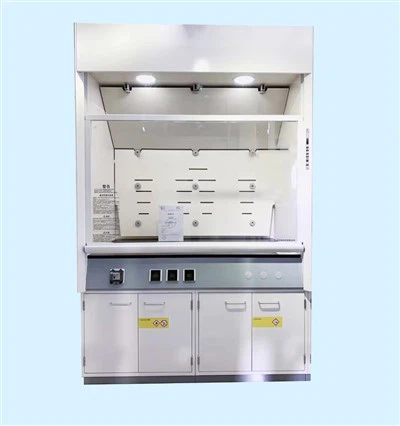
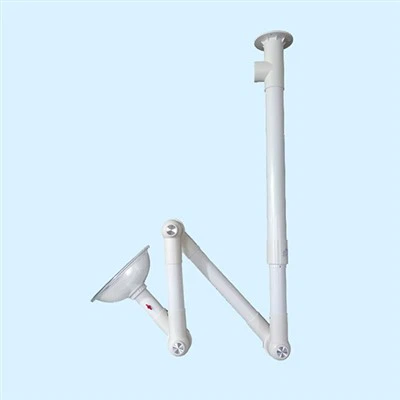
Ventilation setup stands as one of the most essential parts of lab construction. Poor air circulation that traps harmful chemical vapors has frequently occurred in educational research facilities. Natural ventilation can hardly handle massive volatile chemical agents generated during regular tests. Modern laboratories must install professional fume hoods, exhaust pipelines and air purification devices to discharge toxic and hazardous gas instantly. Effective ventilation does not mean simply assembling mechanical equipment. Customized design shall match indoor spatial structure and daily experimental routines. Labs with high-temperature operations need proper airflow guidance to eliminate stagnant air corners. Microbiological laboratories require anti-backflow structure to stop contaminant spread via air circulation.
Water and circuit piping layout also demands sufficient attention. Circuit short circuits and water leakage often disrupt experimental schedules. Design teams shall calculate power load according to instrument wattage and power consumption demand. Flame-retardant and moisture-resistant dedicated wires are adopted, with abundant reserved socket ports reserved for future use. Water pipeline planning caters to diverse water purity standards, covering regular washing water, deionized water and ultra-pure water. Reasonable pipe routing and supporting water purification facilities satisfy varied experimental requirements. All pipelines and wires are arranged away from active operating zones to avoid accidental contact injuries.
Lighting configuration follows special standards distinct from regular office spaces. Light intensity and color temperature are adjusted in line with specific experimental needs. Microscopic observation and precision instrument operation require high-brightness local lighting without dazzling glare. Chemical synthesis experiments avoid heat emitted by lighting fixtures interfering with chemical reactions. Emergency lighting systems are mandatory installations, ensuring safe staff evacuation in sudden power failures.
Lab design also lays the foundation for future renovation and expansion. Evolving research demands may require additional equipment installation and functional area adjustment. Ample spare space and modular design adopted in early planning facilitate later reconstruction. Removable workbenches and detachable partition walls greatly support flexible layout modification.
Laboratory design is an interdisciplinary discipline integrating architecture, environmental engineering and mechanical technology. Minor careless details can turn into obstacles hindering stable lab operation. Facility managers need to attach great importance to overall planning covering functional division, ventilation performance, water and power distribution as well as lighting arrangement. Well-planned construction creates a safe, efficient and comfortable working environment. By eliminating hidden design drawbacks, laboratories can become reliable grounds yielding valuable research achievements and solid support for scientific exploration and technological advancement.