Manufacturers of laboratory design, laboratory workbenches, fume hoods and laboratory furniture
August 13, 2023
A food testing laboratory mainly consists of a bacteriological laboratory, a physical and chemical analysis laboratory and office areas.
1. Office Area
This area is for laboratory staff to fill in original records and complete routine paperwork, and it also serves as a communication zone for personnel inside and outside the laboratory. It shall be arranged on the outermost part of the overall laboratory space, and only basic furniture such as desks and chairs is required.
2. Physical and Chemical Analysis Laboratory
It can be combined with the bacteriological testing room as needed.
2.1 Physical and Chemical Analysis Room (also used for sensory inspection)
2.2 Instrument Room (for placing microscopes and other small instruments used in bacteriological tests)
3. Bacteriological Laboratory
3.1 Bacteriological Testing Room
3.2 Sterile Room
3.3 Culture Medium Preparation Room
3.4 Washing and Disinfection Room
1. Office Area
The office is where laboratory personnel record original data and carry out daily administrative work. Since it has frequent personnel exchanges with non-laboratory staff, it shall be located on the periphery of the entire laboratory complex. Only simple facilities including desks and chairs are needed here.
2. Bacteriological Testing Room
This is the core workspace for bacterial culture and testing, mainly equipped with laboratory workbenches. The requirements for workbenches are as follows:
a. The standard width of wall-mounted workbenches is 750 mm, and the standard width of central workbenches is 1500 mm.
b. Workbenches can be placed in the center of the room for sufficient natural light, or installed along the walls.
c. Water sinks and taps can be fitted on both sides of the workbenches.
d. Reagent racks with power sockets shall be installed in the middle of the workbenches.
e. The workbench surface shall be made of materials resistant to corrosion, acid and alkali.
3. Sterile Room
With air purification and space disinfection systems, the sterile room provides an aseptic working environment for microbiological tests. It is the main area for sample handling, inoculation and cultivation, and shall be closely connected to the bacteriological testing room. The layout shall comply with the following requirements to guarantee sterility:
a. The entrance shall not face the corridor and shall be set inside the bacteriological testing room.
b. The sterile room is separated from the testing room by two buffer rooms.
c. Ultraviolet lamps shall be installed in both the sterile room and buffer rooms, with one 30W ultraviolet lamp configured per 3 square meters of floor area.
d. Central or wall-mounted workbenches can be placed inside the sterile room, and the vertical distance between ultraviolet lamps and the workbench surface shall be less than 1.5 meters.
e. A small access window with double panes shall be installed between the sterile room and the testing room.
4. Culture Medium Preparation Room
This room is used to prepare and dispense culture media for microbial cultivation and test reagents. It is mainly furnished with wall-mounted workbenches and reagent cabinets.
a. Electric stoves shall be placed on wall-mounted workbenches for melting and boiling culture media.
b. The workbench surface shall feature high temperature resistance, acid resistance and alkali resistance.
c. General chemicals and reagents shall be stored in classified reagent cabinets.
d. Hazardous, perishable, flammable, toxic and harmful chemicals shall be kept in separate safety cabinets.
e. Weighing balances shall be placed on the workbenches for reagent weighing.
5. Washing and Disinfection Room
This room is designated for cleaning and disinfecting used and standby glassware, waste culture media and other contaminants. The floor area shall be no less than 10 square meters. The necessary facilities are listed below:
a. One or two washing sinks with unobstructed water supply and drainage pipelines.
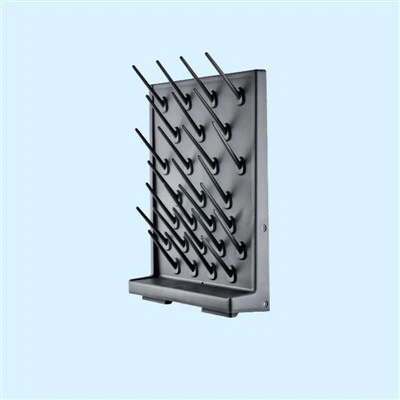
b. Storage cabinets or workbenches for holding cleaned labware.
c. Autoclaves with power supply matching the required electrical load.
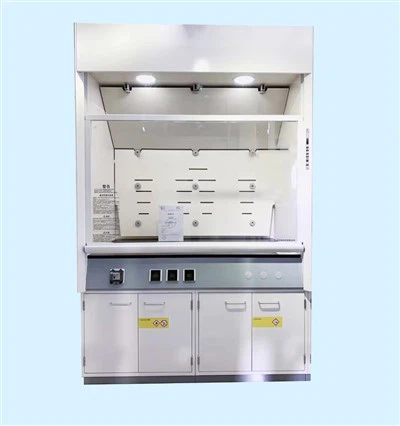
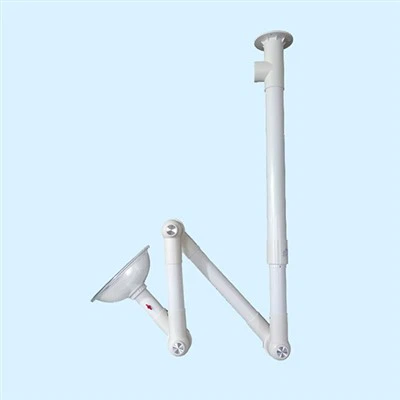
d. Ventilation facilities including fume hoods shall be installed.
e. A distiller for laboratory water can be installed if conditions permit.
6. Physical and Chemical Analysis Room
It serves as the main workspace for physical and chemical analysis tests.
a. The specifications of workbenches are consistent with those in the bacteriological testing room.
b. Fume hoods shall be equipped for heating, digestion, drying, incineration and chemical treatment operations.
c. Washing sinks shall be installed in the room.
7. Instrument Room
This room is used to place microscopes, electronic balances and other small instruments for physical and chemical analysis.
a. The room shall be kept clean, dry, dark, and protected from moisture and pests.
b. Instrument tables must be stable and firm.