In modern scientific research and industrial production, laboratory furniture is not only essential supporting equipment but also a key element in ensuring experimental efficiency, operational safety, and environmental control. Its design integrates ergonomics, materials science, and functional requirements. Compared to ordinary furniture, laboratory furniture offers significant advantages in durability, safety, and adaptability, making it an indispensable component in scientific research and testing.
I. Material Science Empowerment: Corrosion Resistance and Easy Cleaning
Laboratory furniture is typically manufactured from specialized materials, such as acid- and alkali-resistant epoxy resin countertops, corrosion-resistant stainless steel cabinets, or compact laminates. These materials are resistant to chemical reagents, high temperatures, and daily wear and tear. For example, epoxy resin countertops can withstand long-term contact with strong acids and alkalis, while stainless steel is suitable for environments with high humidity or frequent disinfection. Furthermore, the smooth, seamless surface design significantly reduces the likelihood of contamination and facilitates thorough cleaning, thus meeting stringent hygiene standards. This is particularly applicable in fields such as biology and medicine, where cleanliness is paramount.
II. Ergonomic Optimization: Improving Operating Comfort and Efficiency
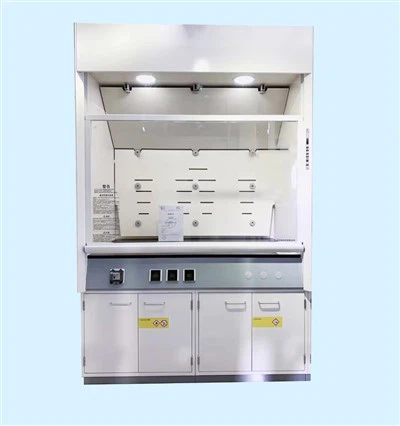
Laboratory furniture design fully considers user operating habits and health needs. Height-adjustable workstations, reagent racks that align with natural hand positions, and ergonomic chairs can all effectively reduce muscle fatigue and occupational injuries associated with prolonged lab work. For example, the operating area height of a fume hood is typically customized to the average height of the lab worker, ensuring that work requires less bending or stretching. Modular storage systems, on the other hand, categorize and organize commonly used instruments, reducing access time and indirectly improving lab efficiency.
III. Modularity and Flexibility: Adapting to Diverse Experimental Scenarios
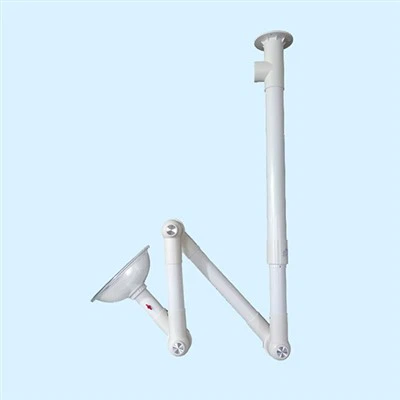
Modern laboratory furniture generally adopts a modular design, allowing for flexible combination and layout adjustments. Whether it's the partitioned operation requirements of a basic chemistry lab or the load-bearing requirements of precision equipment in an electron microscope room, customized furniture solutions can be implemented. For example, mobile carts enable rapid transfer of samples or equipment, while fume hoods with track systems dynamically adjust exhaust direction based on equipment location. This flexibility not only reduces the cost and time required for laboratory renovations but also adapts to changing space requirements brought about by technological advancements.
IV. Enhanced Safety: A Core Barrier to Risk Prevention and Control
Laboratory furniture plays an irreplaceable role in safety design. Explosion-proof cabinets reduce the risk of storing flammable chemicals through fire-retardant coatings and pressure-relief structures. Lockable drawers prevent accidental contact with hazardous equipment. Mounting brackets for emergency eyewash stations and emergency showers ensure critical equipment remains accessible in the event of an emergency. Furthermore, anti-static flooring and grounded conductive furniture effectively prevent damage to precision instruments caused by static electricity, providing a comprehensive safety barrier for the laboratory.
Conclusion
Laboratory furniture offers advantages beyond functionality. Through innovative materials, user-friendly design, and enhanced safety features, it provides a stable and reliable foundation for scientific research. As technology advances, future laboratory furniture will increasingly incorporate intelligent elements (such as IoT sensors to monitor environmental parameters). However, its core value-ensuring experimental reliability and personnel safety through professional design-remains unchanged. Selecting appropriate laboratory furniture is a crucial prerequisite for improving research quality and efficiency.