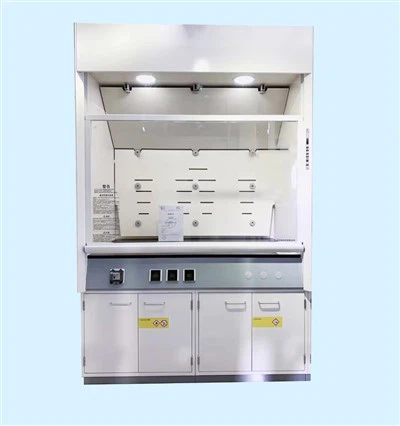
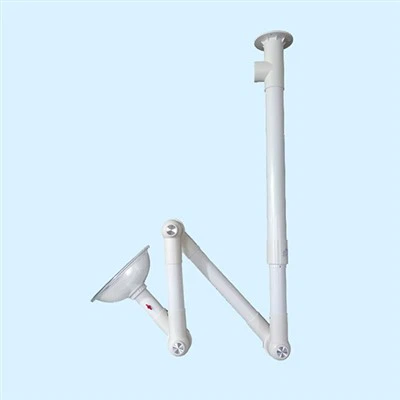
In school chemistry laboratories, a well-designed ventilation system serves as a core guarantee for laboratory safety and smooth experimental operations. It can effectively discharge harmful gases and vapors generated during experiments, and keep the indoor air fresh all the time. This article mainly elaborates on the significance of proper ventilation layout in school chemistry labs and the core matters needing attention throughout the design process.
Importance of Air Circulation in School Chemistry Laboratories
Various types of harmful gases and volatile vapors will be produced in the process of chemical experiments. A qualified ventilation system can timely exhaust these hazardous substances out of the laboratory space, so as to fully protect the physical health of teachers and students conducting experiments indoors. With scientific and reasonable ventilation design, the air circulation efficiency inside the laboratory can be greatly improved. Such design helps maintain stable indoor temperature and appropriate humidity range, and builds a comfortable indoor environment suitable for daily experimental teaching and practical operation.
Selection Principles of Ventilation Systems for School Chemistry Laboratories
When planning and configuring ventilation facilities for school chemistry laboratories, designers need to take multiple practical factors into full consideration, including the actual indoor space area, experimental equipment configuration types and the total quantity of functional equipment. Common applicable ventilation forms include natural ventilation, mechanical ventilation, and combined ventilation modes integrating both two types. Designers shall match the most suitable ventilation scheme according to the actual functional demands of different laboratory areas, and ensure the selected ventilation scheme can provide sufficient air exchange volume stably under diverse experimental operation conditions.
Auxiliary Safety Configuration for Laboratory Ventilation Design
The overall ventilation design of chemistry laboratories needs to be matched with complete supporting safety arrangements in a unified way. It is necessary to install independent emergency ventilation control switches in reasonable positions inside the laboratory. Once sudden leakage of hazardous chemical substances occurs in the working area, staff can activate the whole ventilation operation rapidly to accelerate the discharge of dangerous substances. Meanwhile, regular routine inspection and standardized daily maintenance of all ventilation equipment are essential measures to keep the whole ventilation system running stably and efficiently for a long period.
Reasonable ventilation system planning is an indispensable part of building safe and standard chemistry laboratory spaces. By attaching great importance to indoor air circulation demands, selecting targeted ventilation layout schemes and completing matching safety supporting arrangements in place, people can establish a safe, healthy and highly practical laboratory working environment. Such standardized laboratory construction can create better practical learning conditions for students and guarantee the orderly development of all chemistry teaching experiments. In the follow-up laboratory construction and renovation work, continuous optimization and improvement on ventilation layout schemes can further raise the overall construction standard and safety performance of school chemistry laboratories.