Laboratory high-temperature chambers are mainly used for high-temperature experiments, material performance testing, heat treatment processing and other operations that require a constant high-temperature environment. Its overall design is directly related to operational stability, experimental safety and working efficiency. All design work shall follow the core principles of practical functionality and controllable safety, and fully meet the usage demands of scientific research and industrial production with standardized design specifications.
1. Temperature Control Requirements
Temperature regulation is the core functional standard of a high-temperature chamber, which shall create an accurate and stable high-temperature environment that conforms to general experimental and production specifications. The whole temperature control system shall adopt high-precision automatic control components to realize flexible adjustment of various temperature parameters. A complete abnormal early warning and alarm system shall be installed. Once the actual temperature deviates from the preset range or mechanical failure occurs, the system can send out prompt warning signals in a timely manner and link with emergency response facilities to prevent temperature runaway from interfering with experimental data results or triggering potential safety hazards. Temperature sensing components shall be arranged at key monitoring positions inside the chamber to achieve real-time and full-range indoor temperature monitoring and data feedback.
2. Ventilation System Requirements
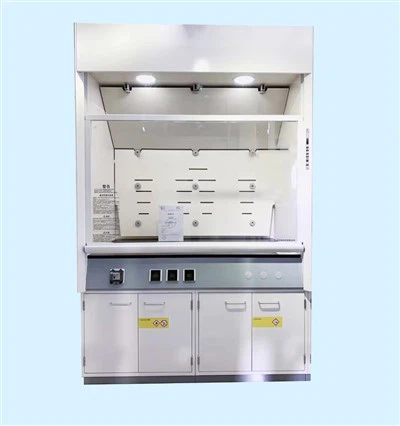
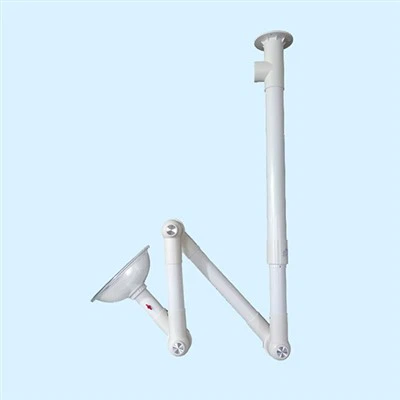
Large amounts of residual heat, harmful volatile gas and experimental pollutants are easily generated under continuous high-temperature working conditions, so an efficient and reasonable integrated ventilation system must be configured inside the chamber. The ventilation equipment shall be equipped with sufficient power to guarantee qualified air exhaust and air exchange capacity, and the indoor air exchange frequency shall comply with universal industry safety norms, so as to quickly discharge accumulated residual heat and toxic harmful gas. All ventilation pipelines shall be arranged in a scientific and reasonable way to eliminate internal ventilation dead zones and keep the indoor air quality uniform and up to standard. Air volume adjusting assemblies can be installed appropriately to balance ventilation efficiency and energy consumption, and assist in stabilizing indoor ambient temperature, so as to protect the physical health of on-site operators and ensure the stable running of internal precision equipment.
3. Safety Protection Requirements
The high-temperature chamber belongs to a high-risk working area, so a comprehensive multi-dimensional safety protection system must be established. Sufficient fire-fighting facilities including portable fire extinguishers and fixed fire hydrants shall be placed in designated areas, and regular inspection and daily maintenance shall be carried out to ensure all fire-fighting supplies are always in effective usable state. Explosion-proof structural parts and matching explosion-proof supporting facilities shall be installed in working areas involving flammable and volatile substances. Independent emergency power-off control devices shall be reserved to cut off the overall power supply rapidly in case of sudden accidents and curb the spread of dangerous situations. Complete emergency evacuation plans shall be formulated clearly, with fixed evacuation routes and safe assembly areas defined obviously. Standardized safety indication signs shall be posted in visible positions, and regular emergency drill activities shall be arranged to improve the overall on-site emergency disposal capability.
4. Space and Structural Design Requirements
The internal space layout shall follow the design concepts of reasonable operation flow, convenient safe operation and effective pollution isolation. The layout of experimental equipment and functional partition planning shall be completed in combination with actual operation procedures, and independent functional areas such as high-temperature operation area and experimental sample storage area shall be divided reasonably. Cross overlap between experimental operation areas and pedestrian passages shall be avoided to prevent secondary pollution and leakage risk of dangerous experimental articles. Sufficient working activity space and unobstructed emergency evacuation passages shall be reserved to satisfy daily personnel movement, large equipment handling and rapid emergency evacuation demands.
In terms of overall structural design, the thermal load bearing capacity and fire prevention performance under long-term high-temperature operation shall be fully taken into consideration. High-quality thermal insulation and fireproof building materials shall be selected for construction to reduce internal heat outward conduction and block flame spread effectively. The main body structure shall have enough mechanical bearing capacity to bear the overall weight of various large high-temperature experimental equipment. Sealing treatment shall be done for all connecting joints to avoid internal heat loss and outward leakage of harmful experimental gas.
5. Material Selection and Auxiliary Equipment Requirements
All wall surfaces, ground floors, ceiling surfaces and built-in fixed facilities inside the chamber must adopt high-temperature resistant raw materials, which are equipped with excellent fire resistance, moisture resistance and corrosion resistance. Such materials can maintain stable physical properties without deformation and aging under long-term continuous high-temperature environment, so as to ensure the long-term structural stability and daily use safety of the whole chamber.
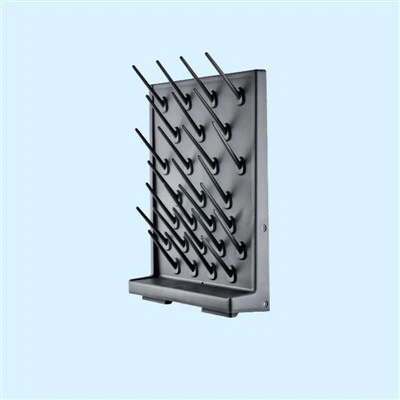
Various matched auxiliary supporting equipment can be configured according to actual experimental demands. High-temperature resistant sample transfer tools shall be equipped to realize safe and convenient conveying of experimental samples in high-temperature environment. High-precision real-time data acquisition devices shall be arranged to record and sort out all key experimental data completely. Standard sterilization and disinfection equipment shall be configured to meet general sanitary operation standards and effectively avoid cross contamination between different batches of experimental samples. All selected auxiliary equipment shall match the overall design style and installation specifications of the high-temperature chamber, facilitating daily installation, regular inspection and later maintenance work.
In conclusion, the design and construction of laboratory high-temperature chambers need to carry out overall planning covering temperature control system, ventilation layout, safety protection measures, space structure planning as well as material selection and auxiliary equipment configuration. Strict implementation of all the above design requirements can ensure the long-term stable and safe operation of the high-temperature chamber, and provide solid and reliable environmental support for various scientific research experiments and industrial production tests.