Laboratory clean system engineering is an essential project to ensure the laboratory environment meets specified cleanliness standards, which is vital to guarantee the accuracy of experimental results and protect the personal safety of laboratory staff. This article elaborates on the core components and key technical points of laboratory clean system engineering, so as to provide reliable references for laboratory design and construction work.
Core Components
1. Clean Room Design
The clean room serves as the core part of the entire laboratory clean system. Its overall design shall be formulated in accordance with the actual functional demands and predefined cleanliness grades of the laboratory. Different functional laboratory areas adopt targeted cleanliness standards based on experimental purposes. For conventional molecular biological laboratories, the general cleanliness level ranges from Class 100,000 to Class 10,000, while core functional zones including amplification rooms and sequencing rooms need to adopt higher-level cleanliness specifications to satisfy rigorous experimental operating conditions.
2. Ventilation System
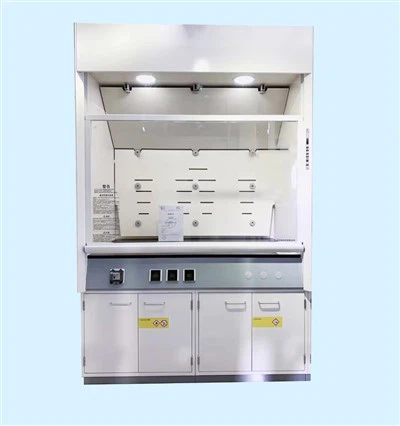
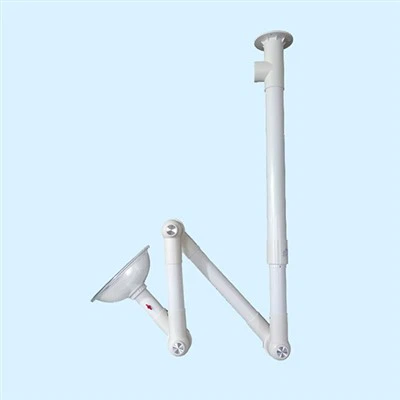
As an indispensable supporting part of the laboratory clean system, the ventilation system takes charge of regulating internal air flow distribution and optimizing indoor air quality. In the design process, designers need to fully take air flow direction, indoor air change frequency and exhaust discharge layout into comprehensive consideration. For key functional rooms such as sample extraction rooms, amplification operation rooms and sample testing rooms, negative pressure environment configuration is adopted to effectively block the outward diffusion of harmful substances and pollutants inside the rooms.
3. Temperature and Humidity Control System
Stable temperature and humidity conditions are fundamental prerequisites for maintaining stable operation of experimental equipment and ensuring consistent and accurate experimental data. All standardized laboratories shall be equipped with professional integrated temperature and humidity adjustment equipment to keep the indoor environment within a stable range all year round. The universally applicable environmental standard sets the indoor temperature between 20 degrees Celsius and 25 degrees Celsius, and the relative humidity is stably controlled within the range of 30 percent to 60 percent.
4. Air Filtration System
The air filtration system is the key functional unit to purify indoor air in the laboratory clean system. It is mainly used to intercept and remove fine particulate matter, harmful bacteria and chemical aerosol pollutants suspended in the air. High-efficiency air filter devices are widely applied in such systems, which can thoroughly purify the circulating air inside the laboratory and maintain long-term pure and pollution-free indoor air environment.
5. Disinfection and Sterilization System
Perfect disinfection and sterilization measures are important guarantees to maintain hygienic and safe operating conditions inside the laboratory. Laboratories need to formulate standardized and regular indoor cleaning and disinfection operation specifications, and implement daily environmental disinfection and surface sterilization work in strict accordance with operating norms. This scientific management mode can effectively avoid cross-contamination between different experimental areas and prevent accidental leakage of dangerous experimental raw materials and chemical reagents.
Key Technical Points
1. Air Flow Distribution Design
Reasonable air flow layout design is one of the core core technologies of laboratory clean system engineering. Scientifically planned air flow paths can greatly reduce the risk of cross-contamination between adjacent functional areas and restrict the spread of various harmful substances in a targeted manner. By arranging buffer transition rooms and material transfer windows in a reasonable layout, independent circulation channels for personnel access and experimental material delivery can be realized, realizing complete separation of people and goods and further cutting off pollution transmission paths.
2. Air Change Frequency Regulation
Reasonable adjustment of indoor air change frequency plays a decisive role in maintaining stable indoor air quality. Formulating scientific and standardized air change standards can efficiently dilute the concentration of various volatile pollutants accumulated indoors. The recommended conventional indoor air change frequency is set at 6 to 12 times per hour, which is especially suitable for laboratory areas where various chemical reagents are frequently used and volatile harmful gases are easily generated.
3. Negative Pressure Environment Regulation
Stable negative pressure control technology is a crucial technical link in laboratory clean system construction, and it is widely used in high-risk experimental sites such as chemical synthesis operation areas and hazardous substance detection laboratories. By supplementing fresh air in a quantified and stable manner to maintain continuous stable negative pressure inside the room, it can firmly prevent harmful gas and volatile pollutants inside the laboratory from flowing outwards to the external working environment.
4. Heat Energy Recovery Technology
The application of heat recovery technology can effectively reduce the overall energy consumption of laboratory environmental regulation equipment. The full heat exchange device is used to recycle the residual heat or cold energy contained in the exhausted indoor air, and the recycled energy is applied to pre-treat the newly introduced fresh outdoor air. This mode can greatly reduce the operating load of constant temperature and humidity air conditioning equipment and achieve energy-saving and environmentally friendly operation effect.
5. Integrated System Linkage Control
Realizing synchronous linkage operation between fresh air supply equipment and constant temperature and humidity air conditioning systems is an important technical guarantee for stable laboratory environment. Through intelligent linkage regulation, all environmental parameters inside the laboratory can be stably maintained within precise standard ranges, fully meeting the long-term stable operation requirements of precision experimental instruments and the constant environmental demands of various standardized experimental projects.
Laboratory clean system engineering belongs to a comprehensive and systematic overall construction project, which needs to carry out integrated planning from multiple dimensions including clean room overall layout, ventilation circulation layout, constant temperature and humidity adjustment, air purification filtration and daily disinfection management. Through standardized design, scientific layout and standardized construction, a safe, efficient, stable and high-standard experimental operating environment can be built for all laboratory staff, laying a solid hardware foundation for the smooth development of various scientific research experiments and daily testing work.