


In scenarios such as university scientific research laboratories, third-party testing institutions, pharmaceutical R&D enterprises, centers for disease control and prevention (CDC), and QC laboratories of chemical enterprises, the safe storage of chemicals has always been the core link of laboratory safety management. Whether it is highly corrosive concentrated acids and alkalis, volatile organic solvents, or potentially toxic chemical reagents, they all require a professional storage carrier that can isolate risks, prevent cross-contamination, and resist corrosion. Our chemical storage cabinet laboratory, born to solve the pain points of laboratory chemical storage, is not just a simple cabinet, but a solid safety barrier built for researchers.
1. Core Material: Chemical Shield Made of High-Purity Polypropylene (PP)
The core competitiveness of this chemical storage cabinet laboratory stems from its high-purity polypropylene (PP) material. Unlike traditional metal or ordinary plastic cabinets, PP material is inherently excellent in resistance to most inorganic acids, alkalis, salt solutions, and organic solvents, which is the key to its outstanding performance in the storage scenarios of highly corrosive chemicals.
Specifically, the cabinet is integrally formed with 8mm thick food-grade PP plates through seamless welding technology, completely eliminating the gaps at the plate joints. This means that even if corrosive reagents such as concentrated hydrochloric acid, nitric acid, and sodium hydroxide stored accidentally leak, the leakage will not expand due to rust and perforation at the gaps, as in traditional all-steel cabinets. Many laboratories have experienced such a situation: the metal reagent cabinet that has just been used for half a year has its epoxy coating peeled off and the plate rusted and deformed due to the corrosion of acid gas volatilized by hydrochloric acid, which not only affects the appearance but also seriously threatens the storage safety. However, the PP material cabinet of this chemical storage cabinet laboratory completely avoids such problems. Its corrosion resistance far exceeds that of ordinary stainless steel cabinets. Even in long-term contact with volatile acid and alkali gases, it can maintain the integrity and stability of the cabinet, and its service life can reach 3-5 times that of traditional metal cabinets.
In addition to corrosion resistance, PP material also has excellent insulation and flame retardancy. It will not cause potential safety hazards due to static electricity accumulation like metal cabinets, nor will it release toxic and harmful substances in high-temperature environments. At the same time, PP material itself has a certain self-extinguishing property, which can effectively reduce the risk of fire and add additional safety guarantees to the laboratory. In addition, the density of PP material is only 1/5 of that of stainless steel, so the overall weight of the cabinet is lighter. There is no need to worry about damage to the laboratory floor during handling, and it can also be easily adjusted and placed according to the laboratory layout to adapt to different space planning needs.
2. Structural Design: Dual Guarantee of Scientific Partition and Detailed Protection
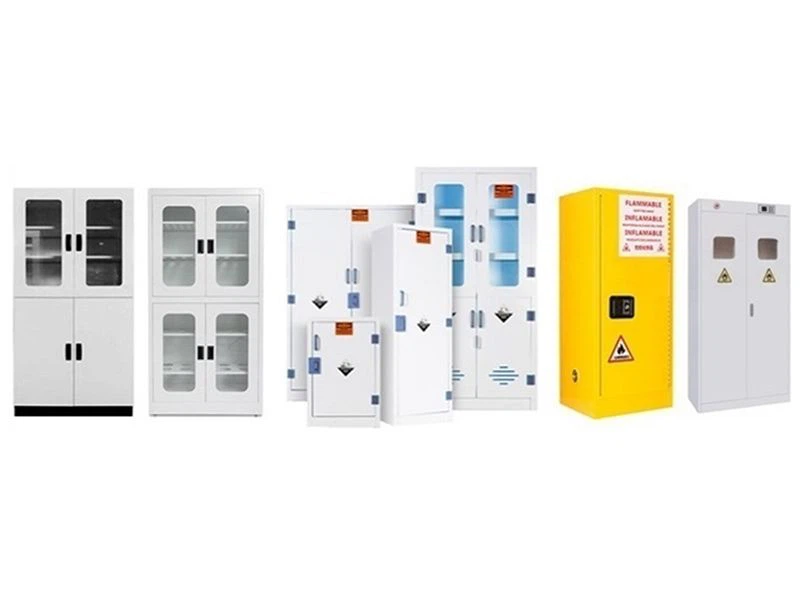
This chemical storage cabinet laboratory adopts an upper and lower double-group four-door layered design. The upper part is two doors with transparent windows, and the lower part is two closed doors. This design fully considers the classified storage of reagents and the convenience of access.
The transparent window door in the upper part is made of chemical-resistant transparent PP material, which can clearly observe the status of the reagent bottles stored inside, quickly identify the reagents without frequent opening of the door, reduce the risk of volatile gas overflow; at the same time, it can prevent external dust and moisture from entering the cabinet and keep the internal environment dry and clean. The door is equipped with the same material PP hinges and embedded handles, with no exposed metal parts, fundamentally eliminating the problem of hinges loosening and breaking due to corrosion. The hinges and handles of many ordinary metal cabinets are easily rusted in acid and alkali gas environments, resulting in the door not opening and closing normally. However, all PP hardware parts of this chemical storage cabinet laboratory are completely compatible with the cabinet material, with the same acid and alkali corrosion resistance as the cabinet, and there will be no jamming or falling off even after long-term use.
The closed door in the lower part provides a safe storage space for highly corrosive, highly toxic or light-sensitive chemicals, avoiding reagent decomposition and failure caused by light irradiation. The interior of the cabinet is equipped with adjustable PP shelves, and the edges of the shelves are designed with raised spill-proof edges. When the reagent bottle is dumped or a small amount of leakage occurs, the liquid can be restricted on the shelf, preventing it from directly leaking to the bottom of the cabinet, which is convenient for cleaning and avoids the liquid corroding the cabinet. The shelf adopts a through-strip support structure, which can flexibly adjust the shelf spacing according to the height of the reagent bottles. Whether it is a large-capacity 2.5L reagent bottle or a small 100ml sample bottle, it can find a suitable storage position to maximize the use of cabinet space.
To further improve safety, the upper and lower groups of doors of this chemical storage cabinet laboratory are respectively equipped with independent PP dual-control locks. This design not only prevents irrelevant personnel from randomly contacting dangerous chemicals but also facilitates the laboratory to carry out hierarchical management of different types of reagents. For example, the upper part stores conventional reagents used daily, and the lower part stores high-risk highly corrosive reagents, which are set with different authority management, fully meeting the requirements of laboratory chemical management specifications. The lock is also made of acid and alkali-resistant PP material, and there are no metal parts in the key and lock core, so it will not have problems such as key jamming and lock core damage due to corrosion, ensuring the reliability of long-term use.
In addition, the four corners of the cabinet are equipped with thickened PP anti-collision corners to avoid cabinet damage caused by collision during handling or laboratory personnel operation. The bottom of the cabinet is also reinforced to keep stable without shaking even under full load. At the same time, the bottom is designed with anti-slip foot pads, which can not only prevent the cabinet from sliding but also isolate ground moisture and protect the bottom of the cabinet from moisture and corrosion.
3. Comparative Advantages: All-Round Differences from Traditional Storage Solutions
In laboratory chemical storage, common traditional solutions mainly include all-steel cabinets, ordinary iron cabinets and simple plastic cabinets, and this chemical storage cabinet laboratory shows significant advantages in all aspects.
Compared with all-steel cabinets, its corrosion resistance is overwhelming. Even if treated with epoxy coating, all-steel cabinets cannot resist the long-term erosion of highly volatile acids and alkalis such as concentrated hydrochloric acid and concentrated nitric acid. Usually, they will have problems such as paint peeling, rusting and perforation after 1-2 years of use, which not only requires frequent replacement but also may lead to safety accidents such as reagent leakage and cross-contamination due to cabinet corrosion. However, the PP material of this chemical storage cabinet laboratory has extremely high resistance to most acid and alkali solutions and organic solvents. Even if it stores concentrated hydrochloric acid, sodium hydroxide and other reagents for a long time, it will not corrode and deform, greatly reducing the long-term use cost of the laboratory. At the same time, all-steel cabinets are heavy and inconvenient to handle, and are prone to static electricity, which has certain potential safety hazards. The PP material cabinet is light in weight and good in insulation, completely avoiding these problems.
Compared with ordinary iron cabinets, the gap is even more obvious. Ordinary iron cabinets not only have extremely poor corrosion resistance and can hardly contact any corrosive chemicals, but also have poor sealing and loose structure, and the locks are easily damaged, which cannot meet the safety requirements of laboratory chemical storage at all. However, this chemical storage cabinet laboratory not only has excellent corrosion resistance but also has strict sealing design and reliable locks, which can effectively prevent reagent volatilization and leakage, and ensure the safety of the laboratory environment.
Compared with simple plastic cabinets, its performance also far exceeds that of similar products. Ordinary plastic cabinets are mostly made of recycled plastic, with unstable material, easy aging and deformation, poor chemical resistance, unable to contact reagents for a long time, and low structural strength, unable to bear the weight of a large number of reagent bottles, prone to problems such as shelf bending and cabinet deformation. However, this chemical storage cabinet laboratory is made of high-purity new PP plates, with stable material and excellent anti-aging performance. It will not deform or become brittle even after long-term use. At the same time, the design of thickened plates and reinforced shelves can bear the weight under full load, fully meeting the high-frequency use needs of the laboratory.
4. Application Scenarios: Covering the Storage Needs of All Types of Laboratories
With its excellent performance, this chemical storage cabinet laboratory can be widely used in various laboratory scenarios, providing safe and reliable storage solutions for different types of chemicals.
In university chemistry laboratories, it can be used to store conventional reagents such as concentrated hydrochloric acid, sulfuric acid and sodium hydroxide used in student experiments. The transparent window design is convenient for students to quickly access, and the independent lock is also convenient for teachers to control dangerous reagents, avoiding safety accidents caused by students' misoperation. At the same time, the layered design can also store different types of reagents separately, preventing acid and alkali reagents from being mixed and reacting, ensuring the safety of laboratory teaching.
In the environmental monitoring laboratories of third-party testing institutions, it can be used to store strong acid digestion reagents and organic solvents required for heavy metal detection and water quality analysis. Most of these reagents are highly corrosive or volatile, and have extremely high requirements for storage environments. The corrosion resistance and sealing design of this chemical storage cabinet laboratory can effectively prevent reagent volatilization and leakage, avoid harm to the laboratory environment and testing personnel, and also prevent external pollutants from entering the cabinet, affecting the purity of reagents and ensuring the accuracy of test results.
In the QC laboratories of pharmaceutical R&D enterprises, it can be used to store various chemical reagents and standards used in pharmaceutical R&D. Some reagents are photosensitive or toxic, and the closed door in the lower part can effectively isolate light and prevent reagent decomposition. At the same time, the independent lock is also convenient for enterprises to carry out account management of reagents, meeting the requirements of pharmaceutical production quality management specifications.
In the pathogen detection laboratories of CDC and hospitals, it can be used to store toxic reagents such as formaldehyde and ethanol used in sample pretreatment, as well as strong oxidizing chemicals for disinfection. These reagents have extremely high requirements for storage safety. The anti-corrosion and anti-leakage design of this chemical storage cabinet laboratory can effectively reduce safety risks and protect the health and safety of testing personnel.
In addition, in the R&D laboratories and chemical raw material storage areas of chemical enterprises, as well as the controlled warehouses of precursor chemicals and explosive-prone chemicals in public security and judicial systems, this chemical storage cabinet laboratory can also play an important role, providing standardized and safe storage environments for various dangerous chemicals, helping enterprises and institutions meet the relevant regulatory requirements for chemical safety management.
5. Maintenance and Safety: Worry-Free and Durable Long-Term Use Guarantee
This chemical storage cabinet laboratory is not only excellent in performance but also very convenient to maintain. The surface of PP material is smooth and dense, not easy to absorb dust and stains. Daily cleaning only needs to be wiped with a neutral detergent, and there is no need to worry about the detergent corroding the cabinet. If reagent leakage occurs, it can be wiped with water or a special neutralizer, leaving no traces that are difficult to clean and will not cause damage to the cabinet.
In terms of safety, the design of this chemical storage cabinet laboratory fully complies with the relevant standards for laboratory chemical storage. From material selection to structural design, it fully considers various risks in the process of chemical storage, and can effectively prevent problems such as corrosion, leakage and cross-contamination. At the same time, chemical classification labels, safety warning labels, etc. can be pasted on the cabinet according to user needs to help laboratory personnel quickly identify the type of reagents stored in the cabinet, standardize operation procedures, and further improve the safety management level of the laboratory.
For laboratory managers, this chemical storage cabinet laboratory can also help simplify the chemical management process, realize the classified storage of reagents through layered and partitioned design, and carry out authority management combined with independent locks, which is convenient to establish a clear reagent account, reduce problems such as reagent loss, expiration and mixing, and improve laboratory management efficiency.
This chemical storage cabinet laboratory, with high-purity PP material as the core, combined with scientific structural design, perfect safety protection and a wide range of application scenarios, provides a one-stop solution for laboratory chemical storage. It not only solves the pain points of traditional storage solutions such as poor corrosion resistance, easy leakage and inconvenient management, but also builds a solid safety barrier for researchers with long-term reliable performance, becoming an indispensable safety equipment in various laboratories. Whether it is university scientific research, third-party testing, pharmaceutical R&D or chemical production, this chemical storage cabinet laboratory can guard every detail of laboratory chemical storage with professional protection capabilities and escort the safe and orderly development of scientific research work.
Features
1. Cabinet body: Made entirely of 8mm porcelain white PP (polypropylene) sheet, seamlessly welded with the same color welding rods to ensure the strength and sealing performance of the cabinet, and it has excellent corrosion resistance.
2. Cabinet door: Made of homogeneous PP board, with a folded thickness of 16mm for the door panel.
3. Window: Made of 5mm tempered glass.
4. Shelf: Made of porcelain white PP (polypropylene) sheet, with raised edges around the perimeter and a fully welded structure inside, without any leftover parts assembled. The overall design is movable, allowing for easy removal and placement in the appropriate compartments, and free combination of each layer space. The shelf can be placed on either side, and the raised edges on the four sides provide a certain degree of spill prevention effect.
5. Door handle: Made of PP material formed by injection molding, with good corrosion resistance. (Colors available: Sky blue, Magnetic white)
6. Door hinge: Made of PP material formed by injection molding, with good corrosion resistance. (Colors available: Sky blue, Magnetic white)
7. Screw: Made of PP or 304 stainless steel.
This PP lab storage cabinet is both attractive and functional, and it is highly recommended.

Product Specification
|
Product dimensions: |
900L*450W*1800H |
|
Standard cabinet door: |
Inbuilt door / 4 doors / Glass door / Solid door |
|
Optional shelf: |
3 pieces / 4 pieces / 5 pieces of movable shelves |
|
Cabinet material: |
8mm thick PP board |
|
Cabinet structure: |
Disassemblable |
|
Standard glass: |
5mm tempered glass |
|
Optional handle: |
U-shaped PP handle |
|
Packaging options: |
Loose packing / Complete packing |
|
Color options: |
White |
|
Optional accessories: |
High-quality PP hinges |

Application

Our Service
Ø Provide the technical design and solutions;
Ø We can guarantee on-time delivery of samples and goods.
Ø Close follow-up of all orders by special person and keep customers informed timely.
Ø Professional technical training and guidance on site according to the contract;
Ø Supply accessories accordingly;
Ø Tele-technical consulting and services;
Ø Other special technical service according to client's requirements.
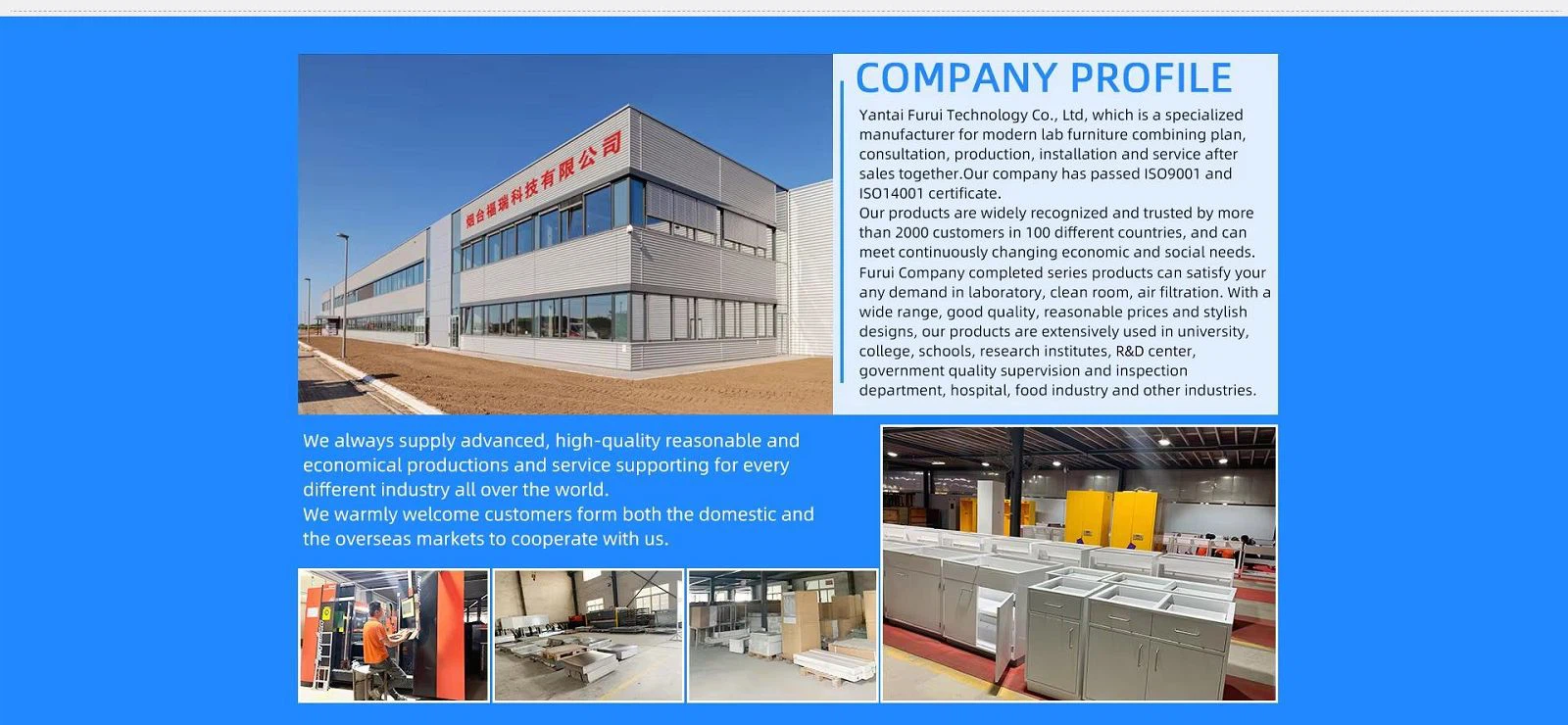

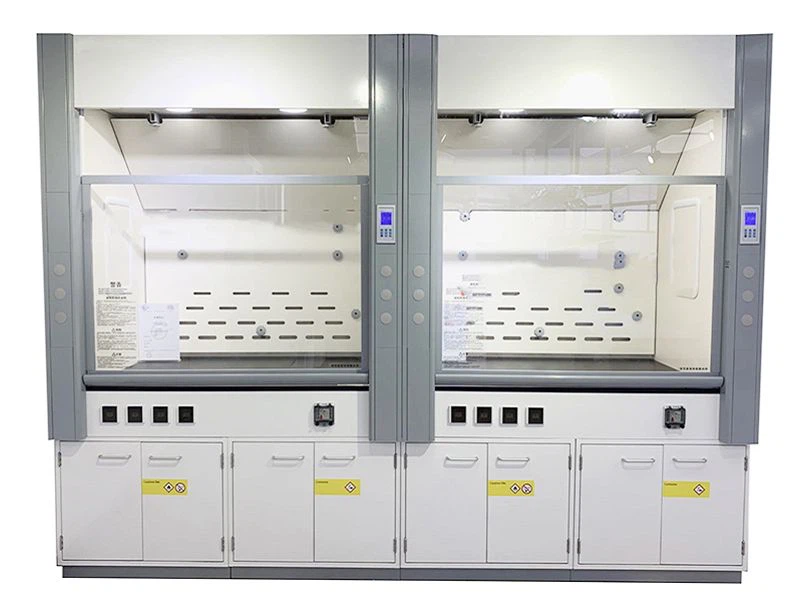
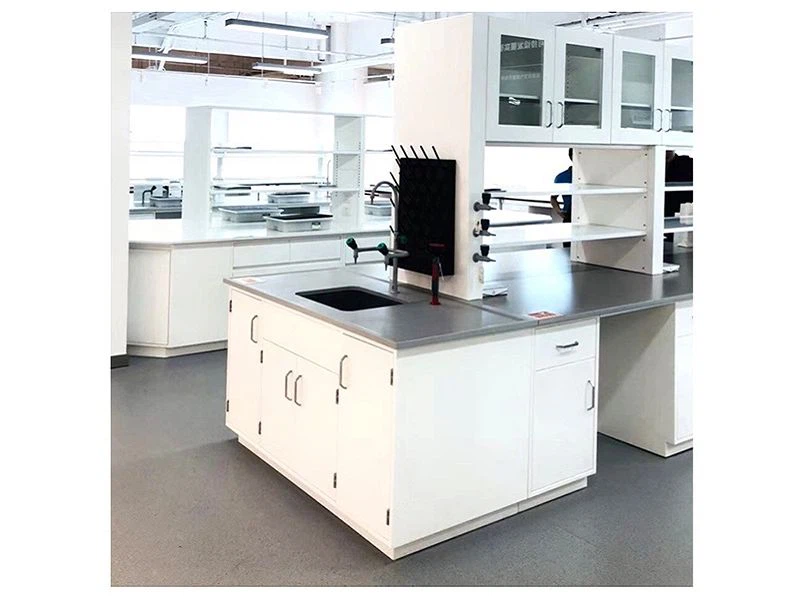
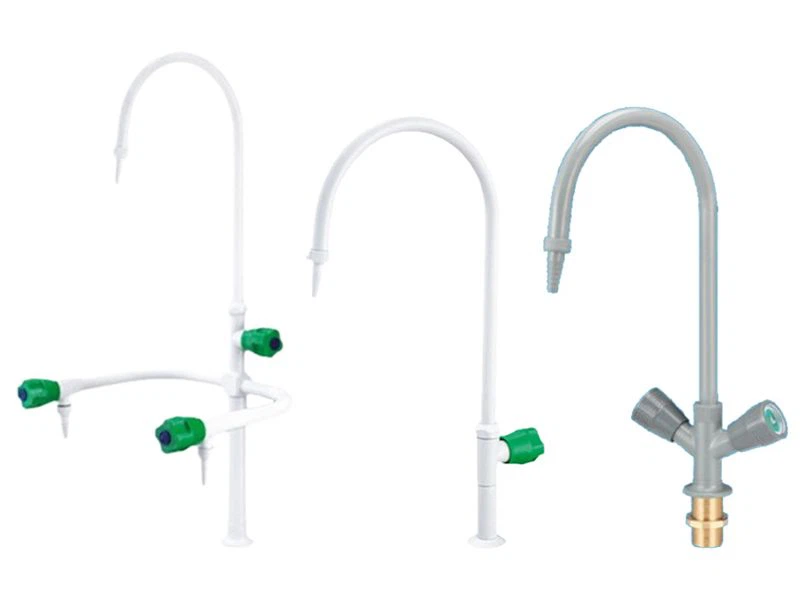
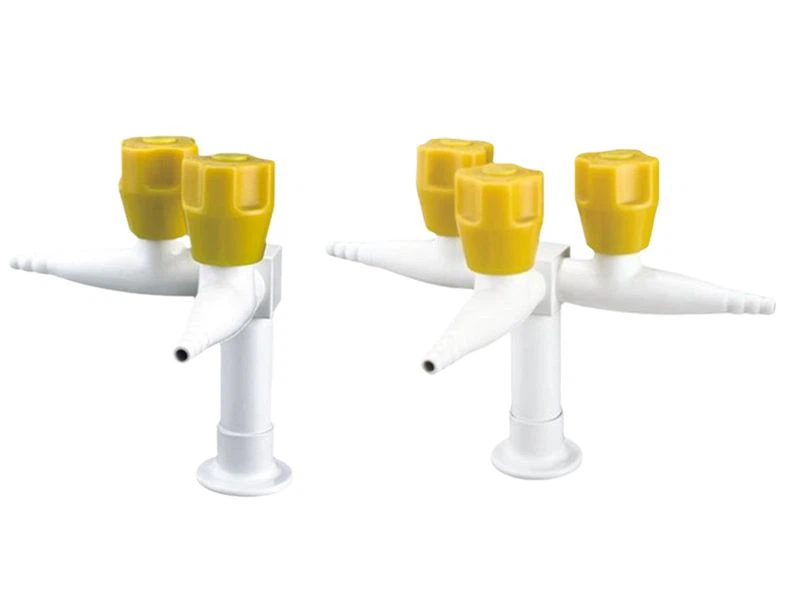
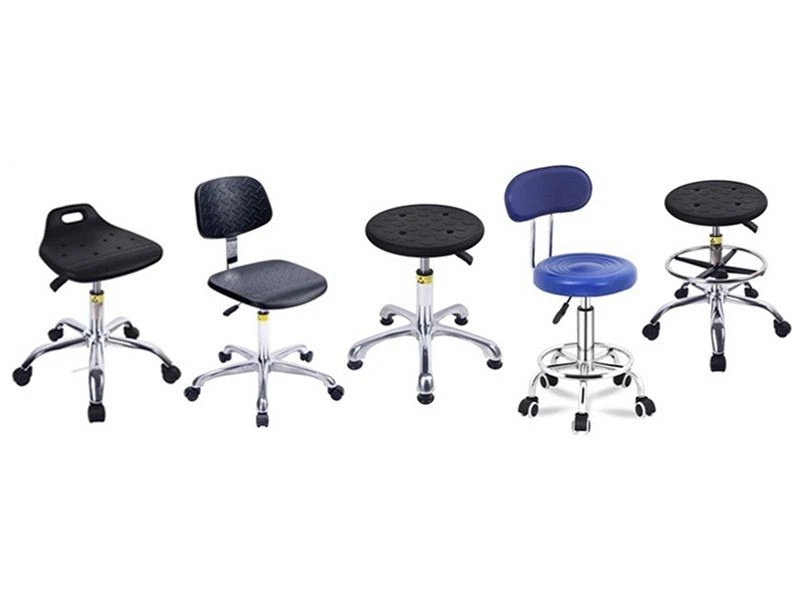
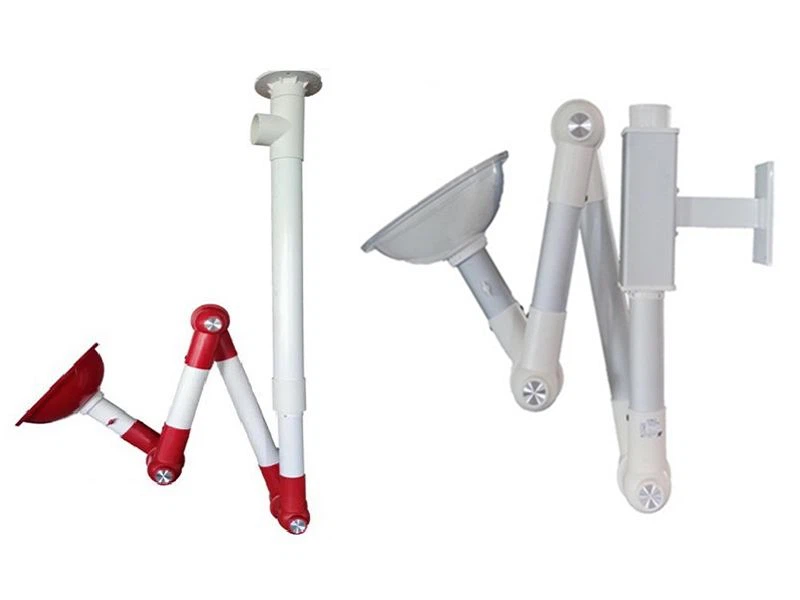
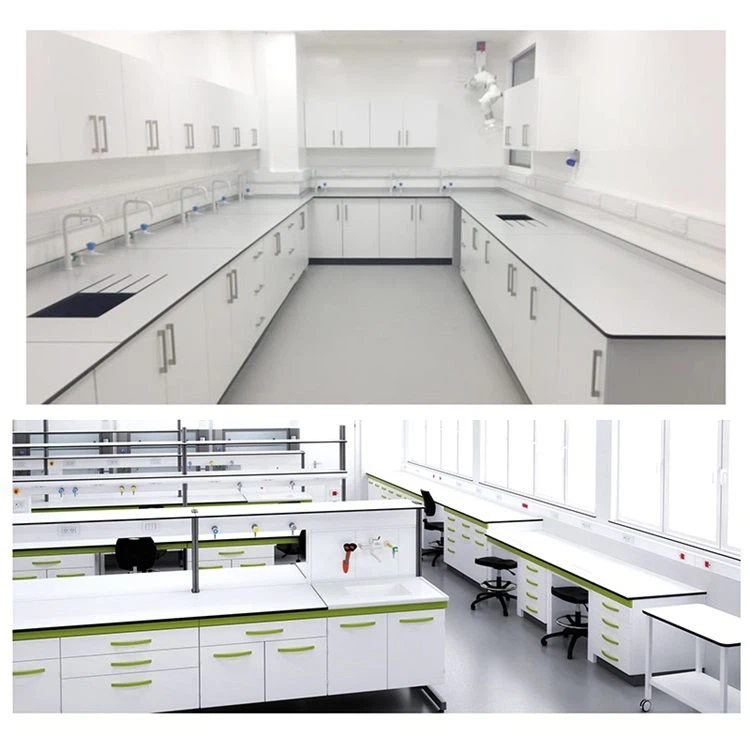
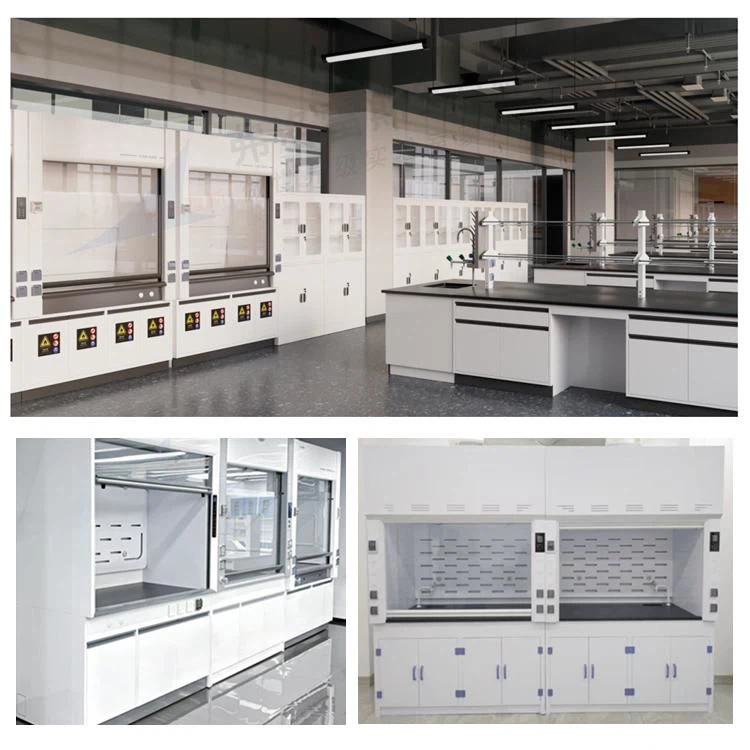
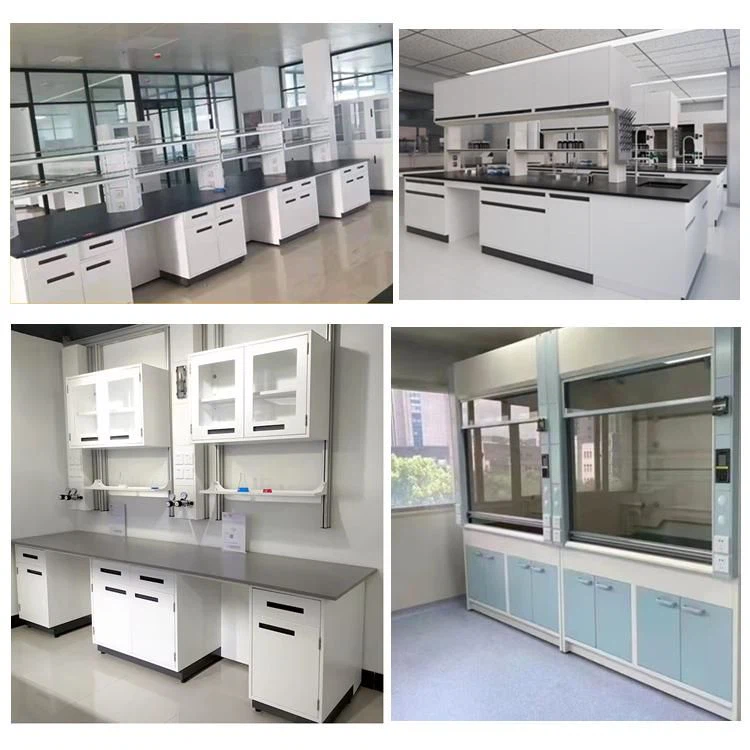
We are in Yantai, China. Our main productions include Lab Furniture, Fume Hood,Workbench,Lab cabinet etc; Lab Accessories, Faucet, Fume Extaction Arm, Lab Pegboard, Lab Chair, Lab Gas Tap, PP Sink, Eye Wash etc. Up to now, Our products have been exported to more than 30 countries, such as Russia, Kuwait, Mexico, Malaysia, Kazakhstan, India, Philippines, South Korea, South Africa, Indonesia, Thailand etc. So we can provide high service to our clients.
Main Products
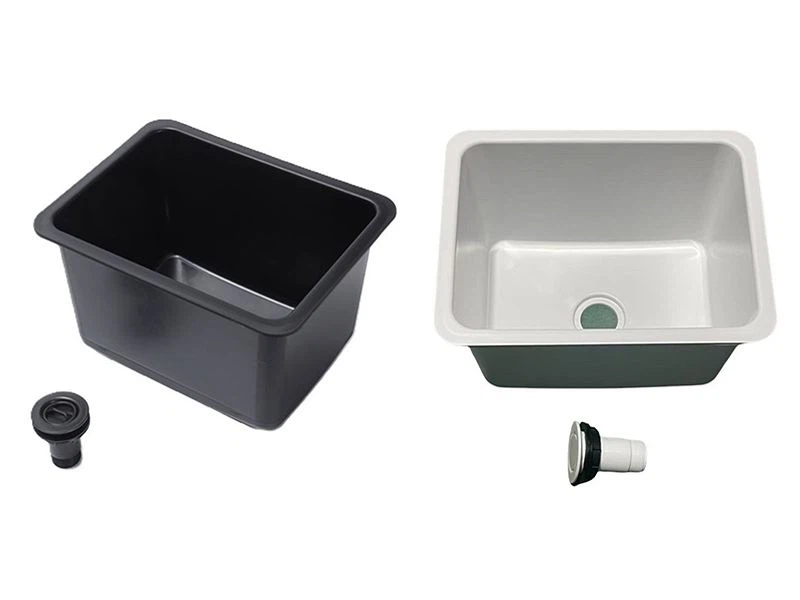
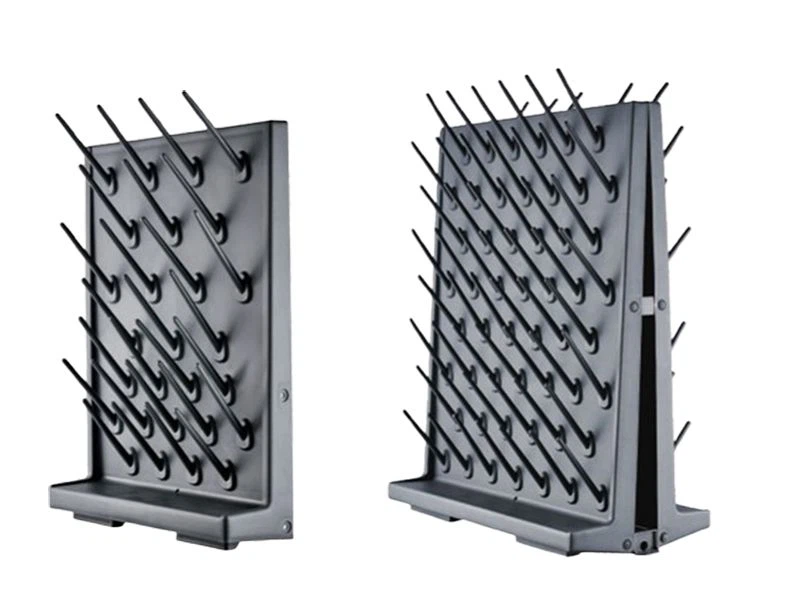
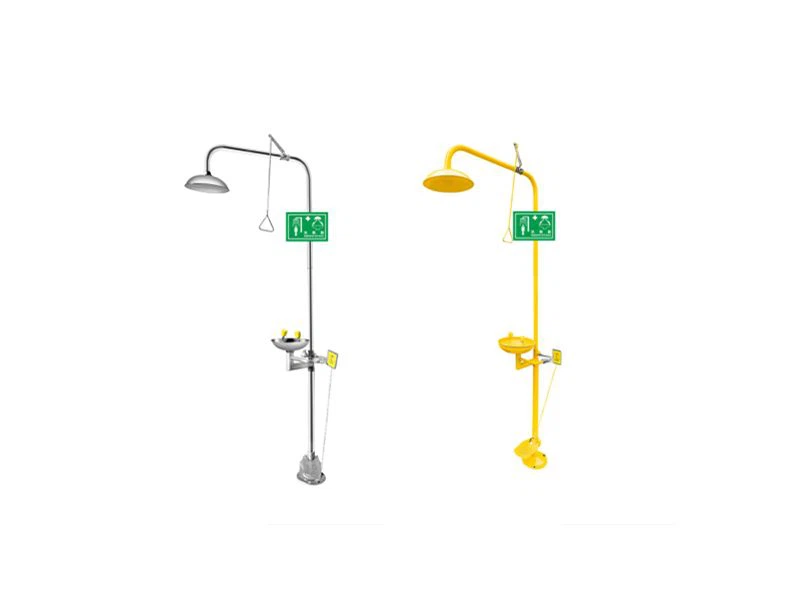
Details Images

Engineering Cases
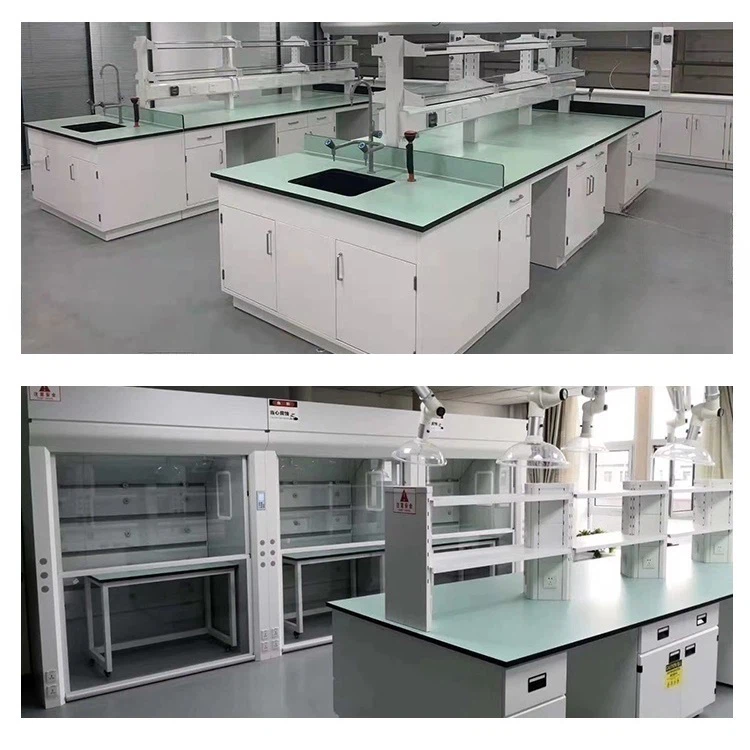
Factory Equipment

FAQ
Q: How does your factory do regarding quality control?
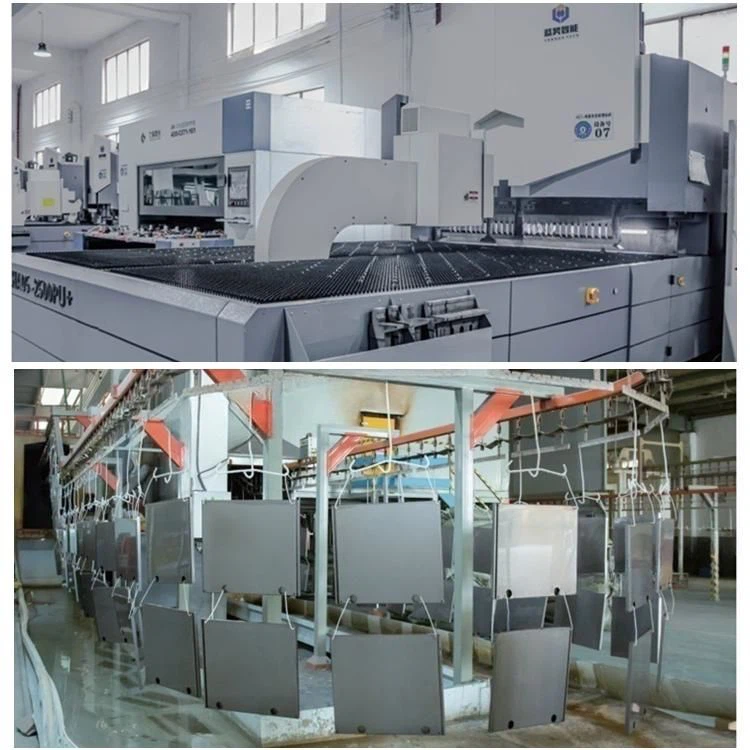
A: Quality is priority. Sparklewheel People always attach great importance to quality control from the very beginning to the end of the production. Every product will be fully assembled and carefully tested before it's packed for shipment.
Q: Can I request to advance the shipment?
A: It should be depends on whether there is sufficient inventory in our warehouse.
Q: What payment terms do you accept?
A: T/T or L/C or West Union or Moneygram or Paypal,others is welcome.
Q: How you arrange shipment?
A: By Sea/By Train/By Air or By Express,15-20days Against Deposit.
Q: Do you accept custom customized on size?
A: Yes, if the size is reasonable.
Hot Tags: chemical storage cabinet laboratory, China chemical storage cabinet laboratory manufacturers, suppliers, factory, PP Lab Storage Cabinet, storage cabinet, Steel Medicine Storage Cabinet, Lab Steel Locker


