


In modern scientific research, industrial testing, medical inspection, and educational laboratory environments, specialized cleaning and bearing containers are basic infrastructure that determines the standardization, safety, and accuracy of experimental operations. Among all laboratory supporting equipment, the Stainless Steel Laboratory Basin stands out as a high-reliability, long-service-life, and multi-functional core accessory, which has become a standard configuration for high-standard laboratory construction worldwide. The Stainless Steel Laboratory Basin is professionally customized for the complex working conditions of laboratory scenarios, abandoning the structural defects and material limitations of ordinary civilian basins and plastic laboratory containers, and integrating high chemical resistance, high temperature resistance, anti-pollution performance, and easy maintenance characteristics. Every detail of the Stainless Steel Laboratory Basin is designed around laboratory experimental safety, sample protection, and long-term stable use, which can fully adapt to various experimental cleaning, sample rinsing, waste liquid temporary storage, and daily laboratory sanitation maintenance work. Different from ordinary household sinks and ordinary plastic lab basins, the Stainless Steel Laboratory Basin focuses more on professional performance, structural rationality, and scenario adaptability, solving many practical pain points in traditional laboratory auxiliary equipment and providing a standardized and safe operating carrier for laboratory staff.
With the continuous upgrading of global laboratory safety standards and experimental precision requirements, the auxiliary equipment of scientific research laboratories is gradually moving towards specialization, customization, and high durability. Traditional laboratory basins are mostly made of plastic, ordinary iron sheets, or low-quality alloy materials, which are prone to aging, corrosion, deformation, and contamination after long-term contact with chemical reagents, high-temperature experimental liquids, and biological samples. These inferior auxiliary containers will not only affect the service life of the equipment itself but also cause secondary pollution to experimental samples, interfere with experimental data accuracy, and even induce laboratory safety hazards such as reagent leakage and bacterial proliferation. In contrast, the Stainless Steel Laboratory Basin completely subverts the performance limitations of traditional laboratory basins through high-standard material selection, precision integrated processing technology, and humanized professional structural design. The Stainless Steel Laboratory Basin not only meets the basic liquid storage and cleaning needs of laboratories but also realizes comprehensive upgrades in anti-corrosion performance, sterile maintenance, structural stability, and scenario adaptability, fully complying with international laboratory construction specifications and scientific research operation standards. Whether it is long-term daily use in teaching laboratories or high-precision experimental operation in professional scientific research institutions, the Stainless Steel Laboratory Basin can maintain stable and reliable working performance, becoming an indispensable basic equipment for standardized laboratory operation.
The overall manufacturing and structural design of the Stainless Steel Laboratory Basin strictly follow international laboratory equipment manufacturing standards, adopting integrated one-piece molding technology without splicing gaps, which fundamentally avoids the hidden dangers of dirt accumulation, reagent residue, and bacterial growth caused by traditional spliced basin structures. The main body of the Stainless Steel Laboratory Basin is made of high-purity 304 or upgraded 316 medical and industrial-grade stainless steel materials. After multiple processes such as precise polishing, wire drawing treatment, and anti-oxidation passivation, the surface forms a dense and stable protective film. This special processing technology enables the Stainless Steel Laboratory Basin to resist the erosion of various acidic, alkaline, and organic chemical reagents commonly used in laboratories, and will not produce chemical reactions, surface peeling, or metal precipitation that affect experimental samples. The inner wall of the basin adopts a smooth arc transition design without sharp corners and dead corners. This humanized structural design makes the cleaning of residual reagents, sample residues, and dirt more convenient, ensuring that no hidden dirt remains in the basin body after each use, which is crucial for maintaining the sterile and dust-free environment required for scientific experiments. In addition, the bottom of the Stainless Steel Laboratory Basin is designed with a gentle slope drainage structure, which can realize rapid and thorough drainage without water accumulation, effectively preventing bacterial and mold growth caused by long-term water stagnation in the basin body, and maintaining the long-term sanitary state of the laboratory operating area.
In terms of core material performance advantages, the Stainless Steel Laboratory Basin has far superior comprehensive performance compared with plastic basins, ordinary iron basins, and low-alloy metal basins used in traditional laboratories, and each performance advantage can effectively solve the common pain points of laboratory auxiliary equipment. First of all, the Stainless Steel Laboratory Basin has excellent chemical corrosion resistance, which is the core advantage that distinguishes it from ordinary laboratory basins. Laboratories often use a variety of corrosive reagents such as dilute sulfuric acid, dilute hydrochloric acid, sodium hydroxide solution, ethanol, acetone, and various organic solvents. Plastic laboratory basins are easily corroded, softened, and deformed by organic solvents and strong alkaline reagents, and long-term use will produce tiny cracks on the surface, which are easy to hide dirt and breed bacteria, causing secondary pollution to experimental samples. Ordinary iron basins are extremely susceptible to oxidation and rust after contacting with aqueous solutions and acidic reagents. Rust impurities will fall off and mix into experimental samples, directly leading to experimental data deviation and sample scrapping. The high-quality stainless steel material adopted by the Stainless Steel Laboratory Basin has stable chemical properties, and will not react with conventional laboratory acidic and alkaline reagents, organic solvents, and biological culture solutions. Even in long-term contact with corrosive liquids, it can maintain the integrity and flatness of the surface structure without corrosion, rust, or deformation, ensuring the purity of the experimental operating environment and the accuracy of experimental results for a long time.
Secondly, the Stainless Steel Laboratory Basin has outstanding high temperature resistance and mechanical impact resistance, adapting to the complex temperature and physical impact working conditions of laboratory operations. In experimental work, laboratory staff often need to clean high-temperature glassware, hot experimental waste liquid, and high-temperature disinfection equipment. Plastic laboratory basins have poor high temperature resistance, and they will soften, deform, or even melt and produce harmful substances when encountering high-temperature objects above 80℃, which not only damages the equipment but also causes potential safety hazards such as environmental pollution and reagent contamination. Ordinary thin iron basins have weak mechanical strength, and are prone to dent deformation and structural damage when encountering accidental impact and heavy object pressure during experimental placement and cleaning. The Stainless Steel Laboratory Basin has excellent high-temperature tolerance, which can withstand instantaneous high-temperature flushing and long-term placement of high-temperature experimental supplies within 180℃, without thermal deformation, surface discoloration, or material deterioration. At the same time, the overall thickness of the basin body is reasonably designed, with strong compression resistance and impact resistance. It can withstand the frequent placement and handling of experimental glassware, metal experimental tools, and experimental equipment, and will not produce dents, cracks, or structural damage. This excellent mechanical stability ensures that the Stainless Steel Laboratory Basin can maintain a complete and standardized structural state after years of frequent use, greatly reducing the frequency of equipment replacement and maintenance.
Thirdly, the Stainless Steel Laboratory Basin has ultra-high hygienic performance and anti-pollution ability, which meets the sterile and dust-free operation standards of high-precision laboratories. Scientific research experiments, biological detection, and medical inspection experiments have extremely strict requirements on the operating environment, and any tiny pollutant may affect the experimental progress and result authenticity. The surface of the Stainless Steel Laboratory Basin is treated with high-precision mirror polishing and fine wire drawing, with a smooth and non-porous surface structure, which does not absorb water, oil stains, reagent residues, and tiny particulate impurities. Unlike plastic basins that are prone to surface micropores and residual dirt, the surface of the Stainless Steel Laboratory Basin can be completely cleaned only by simple water flushing and conventional disinfection after each use. It can effectively remove residual experimental reagents, biological sample residues, and surface bacteria, avoiding cross-contamination between different experimental projects. In addition, the stainless steel material itself has natural antibacterial and anti-mold properties, which can effectively inhibit the reproduction of Escherichia coli, mold, and other microorganisms in a humid laboratory environment. After professional high-temperature disinfection, ultraviolet disinfection, and chemical disinfection, the Stainless Steel Laboratory Basin can reach the sterile standard required for biological experiments, fully meeting the high-standard sanitary requirements of medical laboratories, microbiology laboratories, and pharmaceutical research laboratories.
Fourthly, the Stainless Steel Laboratory Basin has extremely strong durability and long service life, with ultra-low comprehensive use cost. The service life of traditional plastic laboratory basins is usually only 1 to 2 years. After long-term chemical erosion, high-temperature impact, and frequent cleaning, they will age, crack, and deform, and need to be replaced frequently, resulting in increased laboratory operating costs. Ordinary iron basins will rust and damage in 3 to 4 years due to oxidation and corrosion, and the rusted basin body cannot meet the experimental sanitary standards and can only be scrapped. The Stainless Steel Laboratory Basin adopts industrial-grade anti-oxidation and anti-corrosion processing technology. After professional laboratory environment durability tests, its normal service life can reach more than 15 years, which is several times that of traditional laboratory basin products. In the long-term daily use process, the Stainless Steel Laboratory Basin does not need frequent maintenance and replacement. It only needs daily conventional cleaning and regular disinfection to maintain stable working performance. Although the single purchase cost of the Stainless Steel Laboratory Basin is slightly higher than that of plastic and ordinary iron basins, its ultra-long service life and zero frequent maintenance cost can greatly reduce the laboratory's later equipment renewal cost and labor maintenance cost, with extremely high long-term cost performance.
Fifthly, the Stainless Steel Laboratory Basin has humanized structural design and strong scene compatibility, which can meet the diversified use needs of different types of laboratories. The product adopts standardized modular design, with various specifications of single-basin, double-basin, embedded, desktop, and floor-standing styles, which can be perfectly matched with laboratory operating tables, experimental benches, and customized laboratory supporting facilities. The basin body depth and width are designed according to the ergonomic principles of laboratory operations, which can accommodate the cleaning and placement of large experimental glassware, experimental instruments, and experimental containers. The reserved standard drainage interface of the Stainless Steel Laboratory Basin is compatible with various laboratory drainage pipelines and anti-backflow devices, which can effectively prevent the backflow of sewer odor and sewage, and maintain the freshness of the laboratory air environment. At the same time, the product can be freely matched with laboratory special faucets, pure water nozzles, handheld flushing devices, and filter water supply systems, which can meet the differentiated water use needs of ordinary experimental cleaning, pure water rinsing, sterile water operation, and other links. Whether it is a small teaching laboratory with simple functional needs or a large professional scientific research laboratory with high-precision and multi-functional needs, the Stainless Steel Laboratory Basin can complete adaptive matching, with extremely high scene flexibility and compatibility.
Sixthly, the Stainless Steel Laboratory Basin has excellent environmental protection performance and safety, complying with global laboratory environmental protection and safety certification standards. All raw materials of the Stainless Steel Laboratory Basin are non-toxic, harmless, and pollution-free high-purity stainless steel, without adding any harmful chemical additives. The material does not release volatile harmful substances, toxic heavy metals, and peculiar smell during long-term use, and will not cause pollution to the laboratory air, experimental water body, and experimental samples. The product has passed CE safety certification, RoHS environmental protection certification, and laboratory equipment special quality inspection certification, meeting the environmental protection and safety standards of European and American laboratories and domestic high-standard scientific research institutions. In the process of experimental waste liquid treatment and daily cleaning, the stable material performance of the Stainless Steel Laboratory Basin will not produce secondary pollution to the experimental waste liquid, which is convenient for the centralized and standardized treatment of laboratory waste liquid, and conforms to the modern laboratory green and environmental protection operation concept.
The application scenarios of the Stainless Steel Laboratory Basin cover almost all types of professional laboratories and scientific research and testing environments, realizing full coverage of teaching, scientific research, medical treatment, industry, and new energy fields, and showing targeted functional advantages in different scenario environments. In the field of university and vocational school teaching laboratories, the Stainless Steel Laboratory Basin is the basic core equipment for chemistry laboratories, biology laboratories, physics laboratories, and comprehensive science laboratories. In daily teaching experiments, students need to frequently clean test tubes, beakers, flasks, petri dishes, and other experimental glassware, and conduct simple reagent dilution, sample rinsing, and experimental table cleaning work. The durable and easy-to-clean characteristics of the Stainless Steel Laboratory Basin can adapt to the high-frequency use environment of student teaching experiments. Its anti-corrosion performance can resist the erosion of various conventional teaching experimental reagents, and its smooth and easy-to-clean surface can help students quickly complete experimental cleaning work and maintain the neatness of the experimental table. At the same time, the stable structural performance of the Stainless Steel Laboratory Basin can avoid equipment damage and sample pollution caused by student operation errors, ensuring the smooth development of teaching experiments and the accuracy of student experimental data.
In the field of professional scientific research laboratories, including chemical research laboratories, biological research laboratories, pharmaceutical research laboratories, and environmental monitoring laboratories, the Stainless Steel Laboratory Basin undertakes more precise and standardized experimental auxiliary work. Chemical research laboratories need to use the Stainless Steel Laboratory Basin to clean high-precision experimental instruments, rinse residual chemical reagents, and temporarily store low-corrosion experimental waste liquid. Its excellent anti-corrosion performance ensures that no chemical reaction interference occurs in the experimental process and guarantees the purity of chemical experimental analysis. Biological and pharmaceutical research laboratories have extremely strict requirements on sterile and anti-pollution performance. The Stainless Steel Laboratory Basin can be repeatedly disinfected at high temperature and high pressure, and its antibacterial and non-residual characteristics can effectively avoid cross-contamination of biological samples, cell culture media, and microbial strains, providing a sterile and safe operating environment for biological culture, microbial detection, and pharmaceutical ingredient analysis experiments. Environmental monitoring laboratories often need to clean water quality sampling equipment, air detection tools, and soil experimental samples. The stable and non-polluting performance of the Stainless Steel Laboratory Basin can ensure that no external impurities interfere with environmental monitoring samples, improving the accuracy and credibility of environmental detection data.
In the field of medical and clinical inspection laboratories, the Stainless Steel Laboratory Basin is an indispensable sanitary and safety protection equipment. Hospital clinical laboratories, disease control and prevention laboratories, and medical testing institutions need to conduct a large number of blood sample detection, pathological section analysis, microbial pathogen detection, and medical reagent configuration every day. These experimental operations have extremely high requirements on the anti-cross-contamination ability and sanitary level of auxiliary equipment. The Stainless Steel Laboratory Basin can be used for cleaning medical detection instruments, rinsing pathological samples, disinfecting experimental tools, and cleaning laboratory staff's hands and protective equipment. Its high-temperature disinfection resistance and antibacterial performance can effectively kill residual pathogens and bacteria on the surface of the basin body, avoid the spread of medical bacteria and cross-infection of detection samples, and provide a safe and sterile operating carrier for medical inspection work. In addition, the anti-leakage and anti-backflow design of the Stainless Steel Laboratory Basin can effectively prevent the leakage of medical waste liquid and the backflow of polluted water, ensuring the environmental sanitation and biological safety of medical laboratories.
In the field of industrial testing and quality inspection laboratories, the Stainless Steel Laboratory Basin is widely used in material testing laboratories, food detection laboratories, chemical product quality inspection laboratories, and new energy product testing laboratories. Industrial testing laboratories often need to conduct sample performance testing, product component analysis, and quality inspection experiments, and the experimental process will produce various residual detection reagents and sample residues. The high-strength and anti-corrosion performance of the Stainless Steel Laboratory Basin can adapt to the long-term high-intensity industrial detection work, and can safely clean and temporarily store industrial experimental waste liquid and detection samples. The smooth and non-residual surface of the Stainless Steel Laboratory Basin can avoid the mixing of old sample residues and new detection samples, ensuring the accuracy of industrial product quality detection data and providing reliable technical support for industrial product quality control and performance improvement.
In the field of special laboratories and clean laboratories, such as dust-free purification laboratories, sterile laboratories, and precision instrument laboratories, the Stainless Steel Laboratory Basin shows irreplaceable professional advantages. Clean laboratories have extremely strict requirements on the surface dust-free degree, non-pollution performance, and structural sealing of all equipment. The integrated seamless molding structure of the Stainless Steel Laboratory Basin has no dust accumulation dead corners, and the smooth surface is not easy to adhere to dust and tiny particles, which can maintain the high-clean environment standard of the purification laboratory for a long time. After professional polishing and anti-static treatment, the Stainless Steel Laboratory Basin can avoid static electricity adsorption of dust particles, fully meeting the ultra-high environmental requirements of precision scientific research and high-end product testing laboratories.
In order to fully reflect the professional advantages of the Stainless Steel Laboratory Basin, it is necessary to conduct in-depth and detailed comparative analysis with three mainstream traditional laboratory basin products on the market, including plastic laboratory basins, ordinary iron laboratory basins, and ordinary low-grade stainless steel basins, so as to intuitively reflect the comprehensive performance gap of different products in terms of material performance, structural stability, sanitary level, service life and scene adaptability. First of all, compared with plastic laboratory basins, the Stainless Steel Laboratory Basin has a comprehensive dimensional upgrade in all core performances. Plastic laboratory basins are low in cost and light in weight, but their inherent material defects determine that they cannot adapt to high-standard laboratory working conditions. Plastic materials are poor in high temperature resistance, and will deform and age when encountering high-temperature experimental supplies; they are weak in chemical resistance, and are easily corroded and dissolved by organic solvents and strong acid and alkali reagents; the surface is prone to micropores after long-term use, which is easy to hide dirt and breed bacteria, causing serious cross-contamination risks to experimental samples. In contrast, the Stainless Steel Laboratory Basin completely avoids all the above defects. It has stable chemical properties, high temperature resistance, impact resistance, and antibacterial and anti-pollution properties. It can maintain long-term stable performance in high-frequency and high-standard laboratory environments, and will not cause sample pollution and environmental safety hazards. Although the initial investment cost is higher than that of plastic basins, the long-term service life and stable performance of the Stainless Steel Laboratory Basin make its comprehensive use cost far lower than that of plastic products, and it is more in line with the long-term operation needs of professional laboratories.
Secondly, compared with ordinary iron laboratory basins, the performance advantages of the Stainless Steel Laboratory Basin are more prominent in anti-corrosion, sanitary performance and service life. Ordinary iron basins are low in cost and high in hardness, but they are extremely prone to oxidation and rust in humid laboratory environments and after contacting with aqueous solutions and chemical reagents. The rust generated will not only damage the structural integrity of the basin body but also fall off into the experimental cleaning liquid and samples, causing sample pollution and experimental failure. Moreover, the surface of iron basins is rough, easy to accumulate dirt and reagent residues, and difficult to clean thoroughly, which cannot meet the sanitary standards of professional laboratories. The Stainless Steel Laboratory Basin adopts special anti-oxidation and anti-corrosion alloy formula and passivation treatment process, which will not rust or oxidize in humid and corrosive laboratory environments. The smooth and dense surface is easy to clean and disinfect, and can always maintain a clean and sterile working state. The service life of ordinary iron basins is only 3 to 4 years, while the service life of the Stainless Steel Laboratory Basin is more than 15 years, which greatly reduces the frequency of equipment replacement and laboratory maintenance work.
Thirdly, compared with ordinary low-grade stainless steel basins on the market, the Stainless Steel Laboratory Basin has essential differences in material purity, processing technology and performance stability. Many low-cost stainless steel basins on the market adopt recycled stainless steel materials, with impure alloy components, containing a large number of impurity elements, and uneven internal structure. Such low-grade stainless steel basins are prone to surface rust, local corrosion, and metal precipitation after contacting with chemical reagents for a long time, which cannot meet the experimental anti-pollution requirements. In addition, most low-grade stainless steel basins adopt spliced welding process, with welding gaps and solder joints on the surface, which are easy to accumulate dirt and breed bacteria, and the welding parts are easy to crack and leak after long-term use. The Stainless Steel Laboratory Basin adopts high-purity brand-new 304/316 stainless steel raw materials, with stable alloy components and no harmful impurity precipitation. It adopts integrated one-piece molding process without any splicing and welding gaps. The overall structure is seamless and flat, with uniform stress, no cracking and water leakage risks. After multiple fine polishing and passivation treatments, the surface has stronger anti-corrosion and anti-fouling performance, which can fully meet the long-term high-intensity use needs of professional laboratories, and is far superior to ordinary low-grade stainless steel basin products in terms of comprehensive performance and stability.
In terms of daily maintenance and operational convenience, the Stainless Steel Laboratory Basin also has obvious advantages that traditional products do not have. The maintenance of plastic basins is extremely difficult. Once the surface is aged and cracked or contaminated by strong reagents, it cannot be repaired and can only be scrapped. Ordinary iron basins need regular rust removal and anti-rust maintenance, which consumes a lot of labor time and maintenance costs. The Stainless Steel Laboratory Basin has extremely low maintenance difficulty. In daily use, only clean water and neutral detergent are needed to wipe and flush the surface to remove all dirt and reagent residues. For bacterial and microbial contamination in high-standard laboratories, regular high-temperature boiling disinfection, ultraviolet disinfection, and alcohol disinfection can be carried out. The stainless steel material will not be damaged or deteriorated by repeated disinfection operations. The seamless and smooth structure of the Stainless Steel Laboratory Basin will not produce dirt accumulation dead corners, realizing zero difficulty in daily maintenance and long-term stable operation, which greatly improves the operational efficiency of laboratory management and reduces the labor cost of laboratory equipment maintenance.
In terms of safety performance, the Stainless Steel Laboratory Basin has built-in multiple safety design details tailored for laboratory working conditions, further improving the safety level of laboratory operation. The rounded corner anti-collision design of the basin body can effectively avoid the scratch injury of laboratory staff caused by sharp corners during experimental operation; the anti-overflow slope structure at the edge of the basin body can prevent the splashing and overflow of experimental liquid during cleaning and operation, avoiding the corrosion damage of experimental table and equipment caused by liquid overflow and the safety risk of staff contact with corrosive reagents; the standard anti-backflow drainage device can prevent the backflow of sewer waste liquid and odor, avoid laboratory air pollution and bacterial backflow pollution, and fully guarantee the safety of the laboratory operating environment. These humanized safety details make the Stainless Steel Laboratory Basin more in line with the safety operation specifications of professional laboratories and provide comprehensive safety protection for laboratory staff and experimental projects.
In terms of product standardization and scalability, the Stainless Steel Laboratory Basin has formed a complete standardized product system, covering multiple specifications such as single groove, double groove, large capacity, small volume, embedded type, vertical type, and table type, which can meet the construction needs of different sizes and different functional positioning laboratories. Whether it is a small teaching laboratory with limited space, a medium-sized industrial testing laboratory with conventional needs, or a large scientific research purification laboratory with high-standard configuration, the Stainless Steel Laboratory Basin can provide targeted specification matching and scheme customization. At the same time, the Stainless Steel Laboratory Basin can be matched with laboratory pure water systems, circulating water systems, waste liquid recovery systems, and intelligent disinfection systems to realize the integrated and intelligent upgrading of laboratory water supply and drainage functional areas, which is compatible with the intelligent construction trend of modern laboratories and has strong product scalability and market adaptability.
To sum up, the Stainless Steel Laboratory Basin is a professional, high-performance, and long-life laboratory core auxiliary equipment created for the complex and standardized working conditions of modern laboratories. The Stainless Steel Laboratory Basin solves the multiple pain points of traditional laboratory basins such as poor corrosion resistance, easy pollution, short service life, difficult maintenance, and low safety performance through high-standard material selection, precision integrated processing technology, humanized structural design, and multi-dimensional safety optimization. The Stainless Steel Laboratory Basin not only meets the basic cleaning and liquid storage needs of all types of laboratories but also fully meets the high-standard requirements of modern laboratories in terms of experimental safety, sample purity, environmental sanitation, and long-term stable operation. Through in-depth comparative analysis with traditional basin products, it can be clearly seen that the Stainless Steel Laboratory Basin has comprehensive and irreplaceable advantages in material performance, structural stability, sanitary level, safety performance, service life and comprehensive cost performance. With the continuous improvement of global laboratory construction standards and the continuous improvement of scientific research experiment precision requirements, the Stainless Steel Laboratory Basin will become the mainstream standard configuration of all professional laboratories, providing solid basic equipment support for the standardized, safe, and efficient development of scientific research, teaching, medical treatment, and industrial detection industries. For laboratory construction engineers, equipment purchasers, and laboratory managers, selecting the Stainless Steel Laboratory Basin is not only a choice of high-quality auxiliary equipment but also an important guarantee for improving the overall operation standard and experimental safety level of the laboratory.
Features
Corrosion-resistant: The stainless steel material gives the sink excellent corrosion resistance, enabling it to withstand the erosion of various chemical reagents, thereby extending the lifespan of the sink.
Easy to clean: The smooth surface of the stainless steel makes it less prone to dirt and bacteria. Just wiping it with water and cleaning agent will restore it to its original shine.
High temperature resistant: The stainless steel lab sink can withstand high temperatures and will not deform or be damaged due to high-temperature operations during experiments.
Aesthetically pleasing: The stainless steel lab sink has a simple and elegant appearance, which can be matched with various laboratory decoration styles, enhancing the overall aesthetic of the laboratory.
Strong and durable: The polishing and some modern advanced techniques can make the stainless steel sink strong and durable, lasting for a long time.
Good sealing performance: During installation, the processing and manufacturing techniques as well as the installation process of the stainless steel sink can ensure good sealing with the surrounding environment, and it will not have water leakage problems due to long-term use.

Product Specification
|
Model No. |
Furui |
|
Material |
Stainless steel |
|
Accessories |
High grade PP overflow, stopper, PP basket trap |
|
Feature |
Chemical resistant, organic rolvent, durability, flexcibility |
|
Certificate |
CE, ISO, insurance of PICC |
|
Wide application |
For school, medical, laboratory, hosptial, industry, etc. |
|
Warranty |
one year warranty, five years for maintance |
|
Delivery day |
7-10 working days |


Application

Advantages
1.Professional lab furniture and lab accesesories supplier: We have several series products, a total of more than one hundred varieties, Technology and performance of our products has reached the industry leading level, and has won the trust of the customers.
2.Low cost: We have a professional team with technical knowledge and managerial experience. Our company has advanced equipments for manufacturing. By virtue of perfect managerial system and excellent quality , so we can always keep the price competitive and reasonable.
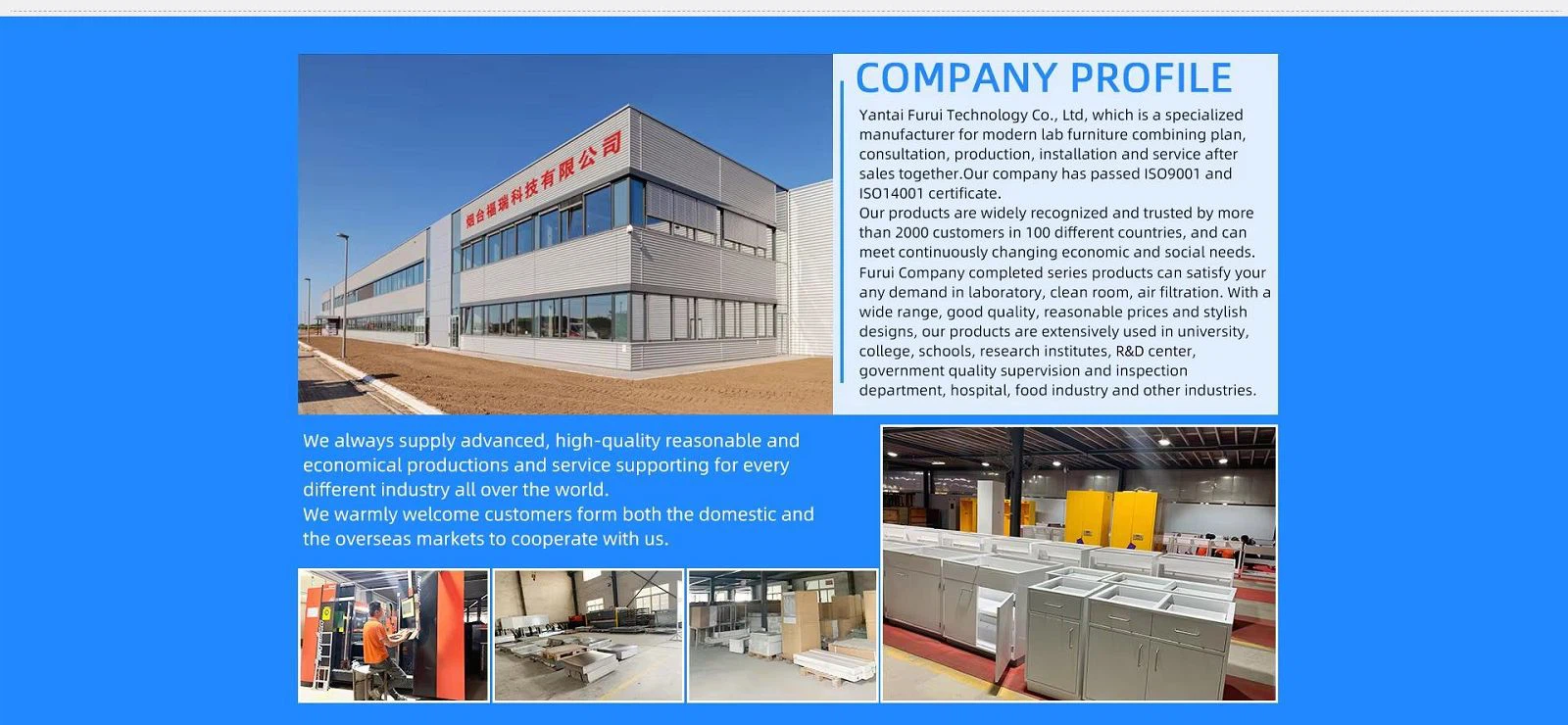

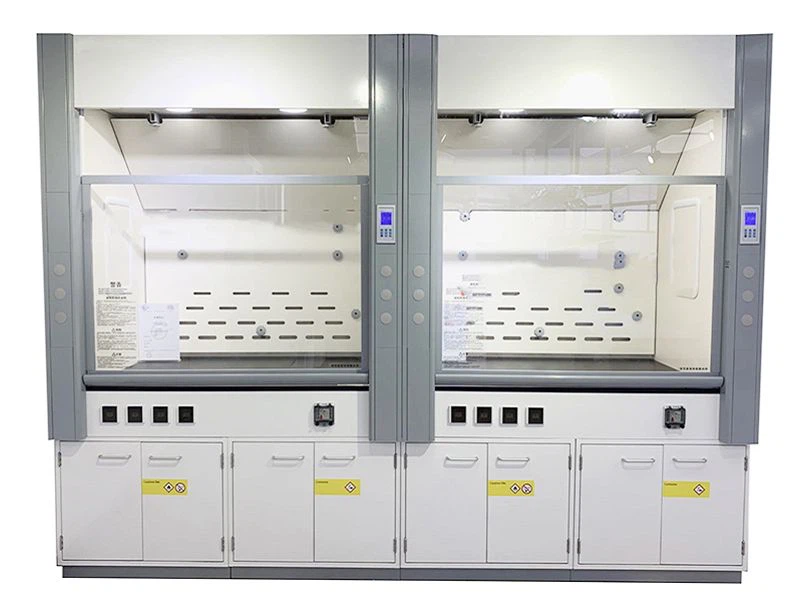
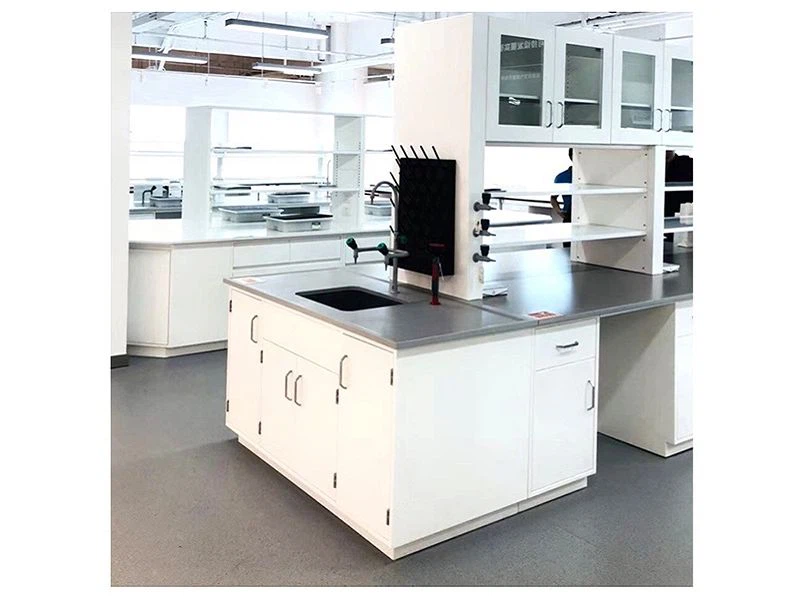
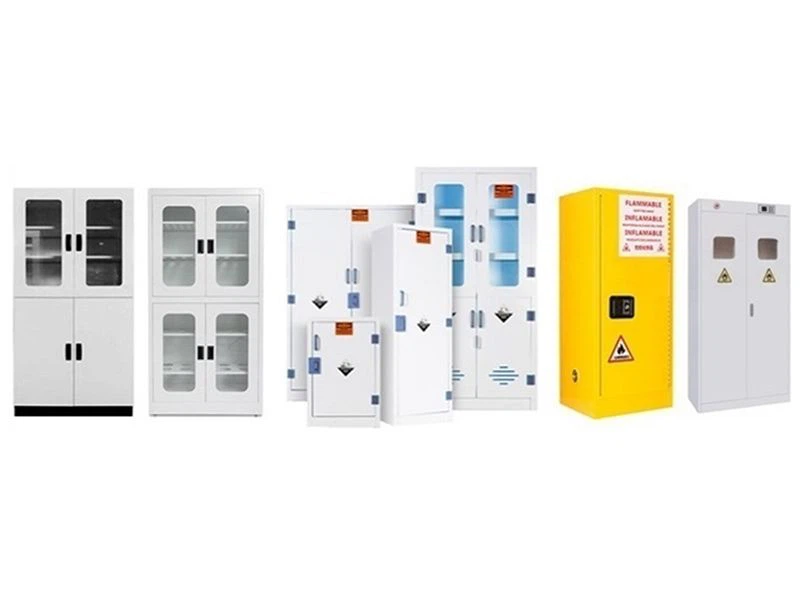
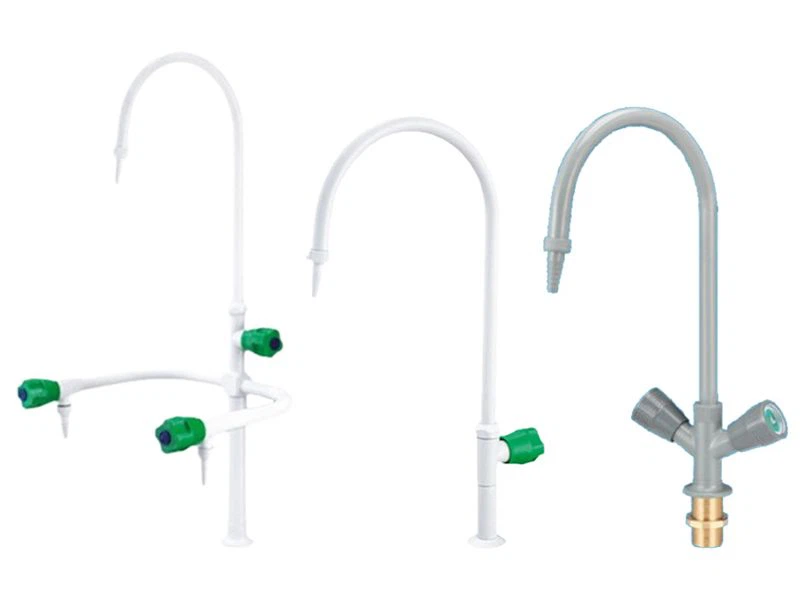
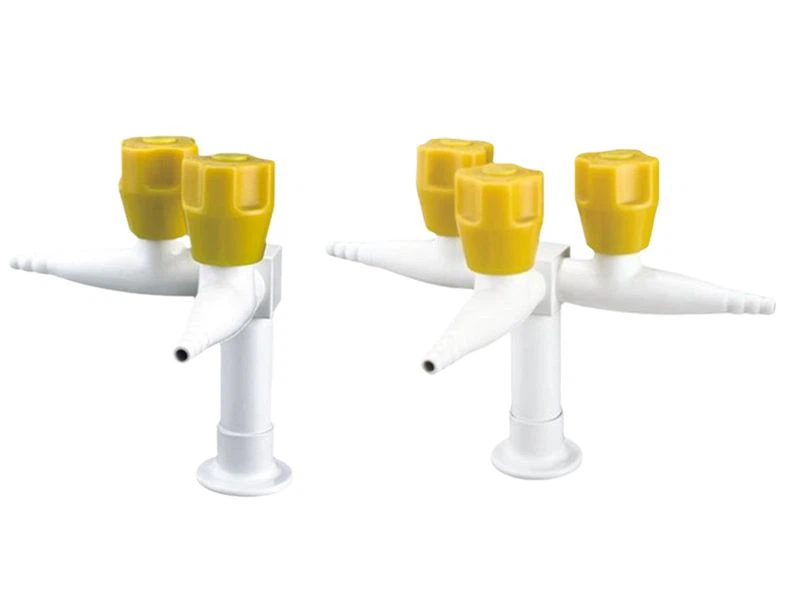
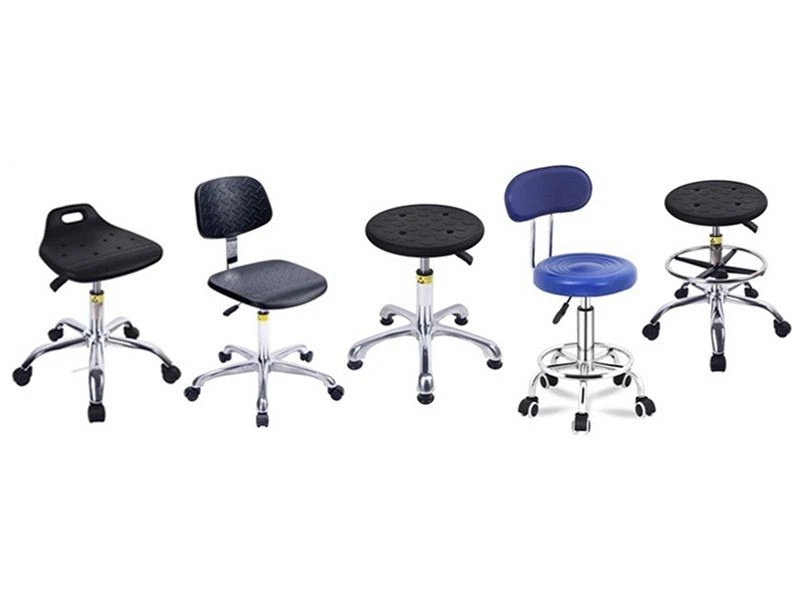
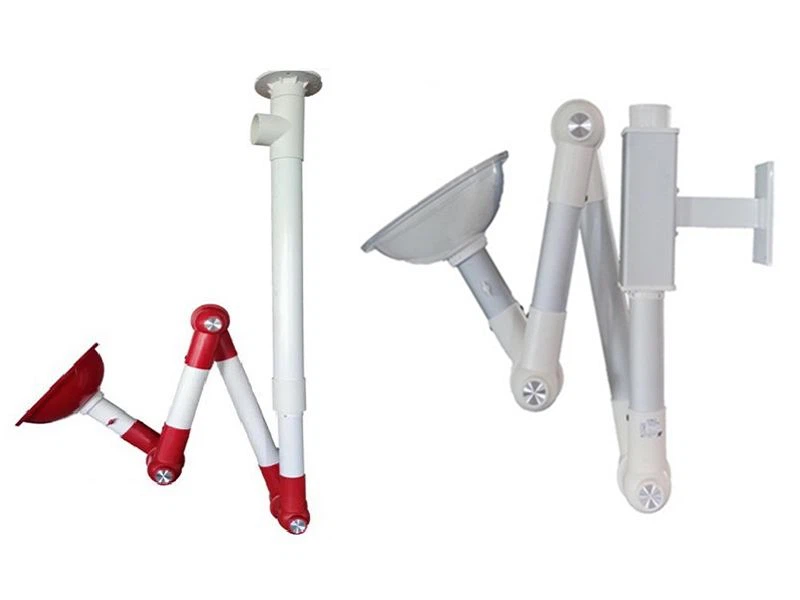
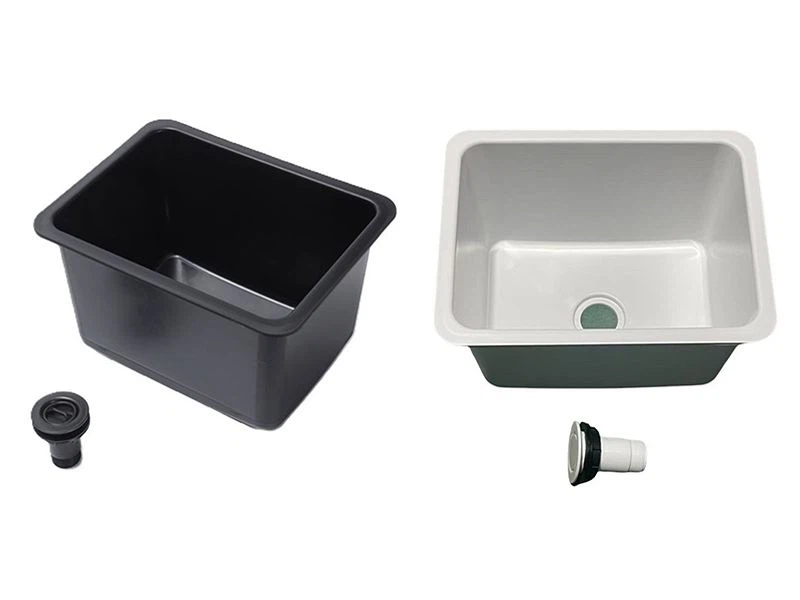
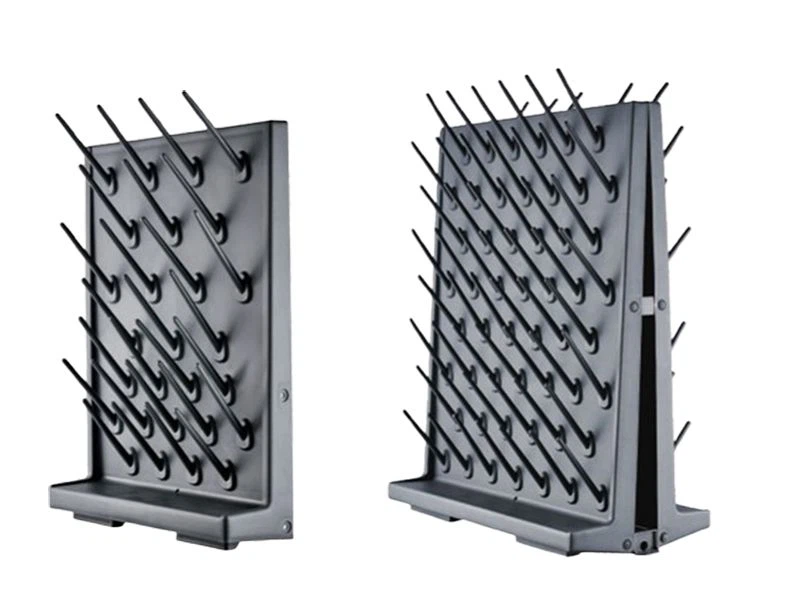
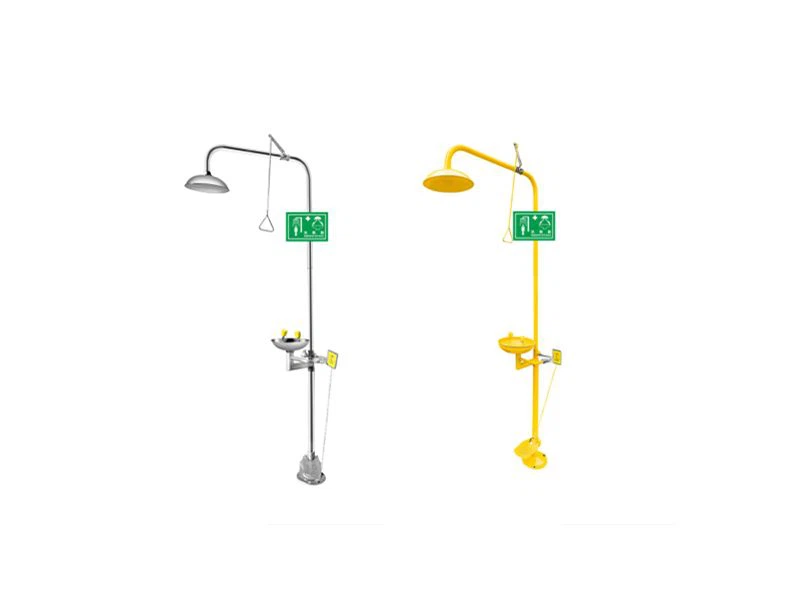
We are in Yantai, China. Our main productions include Lab Furniture, Fume Hood,Workbench,Lab cabinet etc; Lab Accessories, Faucet, Fume Extaction Arm, Lab Pegboard, Lab Chair, Lab Gas Tap, PP Sink, Eye Wash etc. Up to now, Our products have been exported to more than 30 countries, such as Russia, Kuwait, Mexico, Malaysia, Kazakhstan, India, Philippines, South Korea, South Africa, Indonesia, Thailand etc. So we can provide high service to our clients.
Main Products
FAQ
Q: Can you customize for clients?
A: Yes, we can customize as your need, we have R&D department, our designers can make design for you and our technicians make prototype.
Q: What is the time of a prototype?
A: About 7 days after you confirm the details of the production.
Q: What is the delivery time for mass production?
A: About 25 days.
Q: Do you have a export licence?
A: Yes.
Q: Do you have after-sale service?
A: Yes, Good after-sale service, handling the customer complaint and solve problem for customers.
Hot Tags: stainless steel laboratory basin, China stainless steel laboratory basin manufacturers, suppliers, factory, lab sink, PP Lab Sink, Pp Small Cup, Stainless Steel Lab Sink


