


Within the diversified infrastructure hardware supporting contemporary analytical testing environments, the PP Small Capacity Cup stands out as an indispensable compact fluid treatment fixture engineered exclusively for confined workstation layouts and light-duty chemical waste disposal workflows. Many industry purchasers initially confuse this oval-shaped containment hardware with generic large-volume laboratory sinks, shallow plastic trays or ordinary household draining basins, yet the PP Small Capacity Cup boasts exclusive dimensional calibration, specialized raw material formulation and purpose-oriented structural optimization that separates it from all alternative fluid receptacles available on the global hardware marketplace. This thorough documentation will unfold every design merit, applicable operational context, material science advantage, cross-product contrast data and long-term utilization characteristic of the PP Small Capacity Cup, assisting laboratory planners, furniture integrators, facility procurement specialists and end operators to fully comprehend why the PP Small Capacity Cup has gradually become the preferred miniature draining basin for fume hood compartments, bench side auxiliary stations and compact experimental cubicles across educational, biopharmaceutical, environmental monitoring and industrial analytical sectors worldwide.
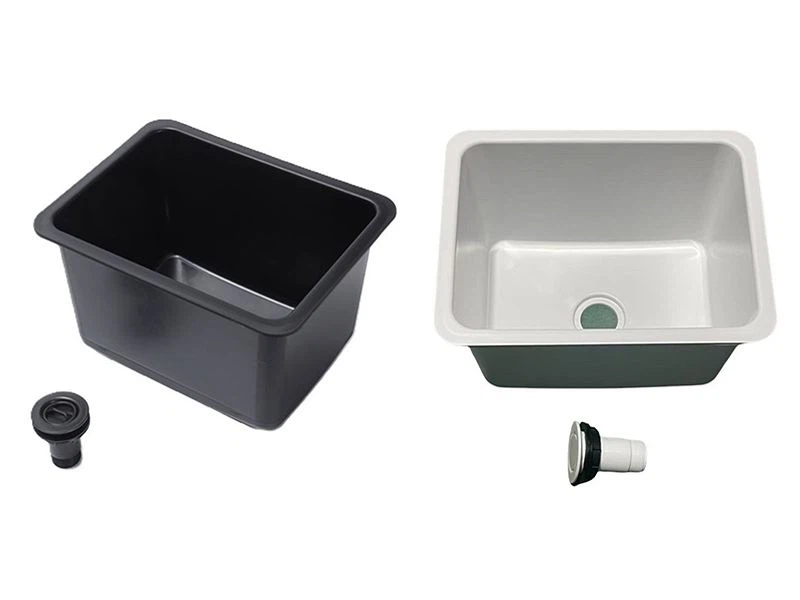
At first sight, the silhouette of the PP Small Capacity Cup delivers intuitive visual differentiation. Distinct from circular cylindrical PP cup sinks and rigid rectangular plastic basins flooding the component market, the PP Small Capacity Cup adopts a streamlined elliptical opening outline with smoothly radiused transition rims connecting the outer mounting flange and inner cavity wall. The whole body adopts an integrated one-shot injection molding manufacturing process without any secondary splicing, adhesive joint or assembled side panels, eliminating hidden leakage risks that frequently trouble spliced basin products. Matching perfectly with the main basin body is a detachable perforated PP filter strainer component supplied as standard accessory alongside each PP Small Capacity Cup. This auxiliary strainer acts as the primary interception barrier for solid particulate waste, preventing glass fragments, residual crystal precipitates, filter paper scraps and undissolved reagent sediments from flowing into drainage pipelines and triggering blockage, pipeline corrosion or hidden environmental contamination hazards. Every structural contour of the PP Small Capacity Cup undergoes repeated ergonomic and fluid dynamics simulation during the research and development cycle. The gradual tapering cavity inner wall guides liquid residues to converge naturally toward the central bottom drain connector, avoiding stagnant liquid pooling at internal dead corners, a prevalent defect seen in inferior compact plastic basins with vertical flat sidewalls. The outward-extending peripheral flange of the PP Small Capacity Cup is crafted with consistent thickness and uniform flatness, facilitating seamless embedded installation within epoxy resin laboratory countertops, compact phenolic work surfaces or customized fume hood interior partitions. Installers can apply sealing adhesive evenly beneath the flange to achieve fully watertight connection without uneven gaps that accumulate chemical dirt over prolonged operation.
The foundational competitive advantage of the PP Small Capacity Cup originates from its carefully selected high-density virgin polypropylene feedstock, which deserves elaborate dissection against alternative construction materials widely utilized for laboratory draining hardware. Numerous budget-oriented suppliers deploy recycled mixed plastic, low-density PP, PVC or ABS to manufacture miniature lab basins, yet such raw materials carry inherent performance shortcomings that directly compromise workplace safety. In direct contrast, the PP Small Capacity Cup is manufactured using pure homopolymer polypropylene pellets without regrind filler, calcium carbonate admixture or miscellaneous recycled plastic additives. To illustrate the material superiority of the PP Small Capacity Cup objectively, systematic comparative evaluation can be drawn versus stainless steel sinks, ceramic basins, PVC receptacles and ordinary low-grade plastic containers. When exposed to dilute mineral acids, weak alkaline solutions, common organic solvents including ethanol, acetone and hexane that regularly emerge in daily experimental operations, stainless steel variants will gradually develop surface oxidation pitting after sustained contact, even for brushed anti-corrosion stainless steel grades. Ceramic basins exhibit outstanding inertness toward chemical agents but suffer from prominent brittleness; accidental collision with glass beakers or metal sampling tools easily creates microcracks that propagate over time, and customized small oval ceramic basins incur exorbitant mold and production expenses with extremely limited dimensional flexibility. PVC plastic basins present moderate anti-corrosion capability, yet prolonged exposure to temperature fluctuation and organic volatile substances triggers plasticizer migration, resulting in gradual material embrittlement, yellow discoloration and deformation, while ABS plastic lacks fundamental resistance against polar organic solvents and will swell or dissolve upon brief contact with ketone reagents. The PP Small Capacity Cup circumvents all these material drawbacks simultaneously. High-density virgin polypropylene maintains dimensional stability within a working temperature spectrum ranging from approximately 0 degrees Celsius up to 95 degrees Celsius, coping with both cold waste liquid discharge and moderately hot aqueous reagent residues generated during heating reflux, digestion and sample pretreatment workflows. The molecular structure of the material resists infiltration by most aqueous chemical solutions, and the non-porous compact surface microstructure inhibits reagent permeation into the substrate material, which means chemical contaminants cannot penetrate deep inside the PP Small Capacity Cup body to cause irreversible material degradation. After completing daily experimental shifts, operators only need to flush the inner chamber of the PP Small Capacity Cup with clean water and perform simple wiping; stubborn chemical residues can be eliminated using neutral laboratory detergent without worrying about permanent surface staining or material etching.
The anti-impact mechanical performance of the PP Small Capacity Cup constitutes another core advantage often overlooked by procurement teams focusing merely on chemical resistance. In laboratory operational environments, accidental knocks against draining basins occur frequently during sample transfer, glassware cleaning and waste liquid pouring activities. Brittle materials such as ceramics and thin-walled low-quality plastic will crack or develop penetrating fissures under moderate external impact force. The PP Small Capacity Cup leverages the intrinsic ductile toughness of premium polypropylene; when subjected to transient collision impact, the material can absorb partial kinetic energy through slight elastic deformation rather than fracturing instantly. Long-term fatigue resistance testing indicates that regular minor collisions encountered in routine laboratory work will not generate progressive crack propagation on the wall of the PP Small Capacity Cup. Additionally, the integrated molding technology removes weak connection seams, which are universally recognized as the most vulnerable failure location on assembled plastic basin alternatives. Every batch of finished PP Small Capacity Cup undergoes strict drop testing and side wall pressure inspection before leaving the production facility, screening out products containing invisible internal microbubbles, uneven wall thickness and molding defects that may shorten operational service lifespan. The wall thickness distribution of the PP Small Capacity Cup is precisely engineered via mold flow simulation software: areas bearing concentrated stress such as the transition zone between the cavity and drain base feature reinforced wall thickness, while non-load-bearing inner curved surfaces maintain balanced thickness to control overall product weight. This thoughtful structural calibration allows the PP Small Capacity Cup to remain lightweight enough for convenient single-person transportation and installation while retaining sufficient structural rigidity to resist warping under long-term constant load and temperature cycling.
Hygiene maintainability represents a crucial functional metric for any laboratory fluid containment hardware, and the design philosophy implemented on the PP Small Capacity Cup thoroughly addresses pain points related to sanitation management in compact experimental stations. Many economical miniature plastic draining containers utilize sharp angular internal corners where organic waste residue, precipitated inorganic salt and microbial biomass readily accumulate, gradually forming stubborn biofilm layers that demand labor-intensive deep cleaning. Every interior corner and transition surface of the PP Small Capacity Cup adopts continuous large-radius arc transition treatment without sharp vertexes or concealed narrow crevices. Liquid flows smoothly across curved inner walls during drainage processes, carrying suspended solid particles toward the bottom outlet and drastically lowering residual sediment accumulation possibility. The matte homogeneous outer and inner surface finish of the PP Small Capacity Cup avoids both overly glossy textures prone to displaying minor scratches and excessively rough textured surfaces that trap fine particulate contaminants. Minor surface abrasions generated during normal utilization will not evolve into contamination anchoring points, unlike porous rough plastic surfaces where pollutants embed deeply and become nearly impossible to eradicate completely. When routine disinfection procedures are required, operators can apply commonly used laboratory sanitizers including diluted sodium hypochlorite solution, hydrogen peroxide disinfectant and quaternary ammonium disinfectants onto the PP Small Capacity Cup surface without triggering chemical deterioration or surface discoloration. Compared to metal basins requiring post-disinfection anti-rust treatment and ceramic basins susceptible to staining by concentrated dye reagents, daily sanitation workflows surrounding the PP Small Capacity Cup demand far less auxiliary maintenance labor and supplementary protective supplies.
We now move to elaborate upon diversified applicable operational scenarios tailored to the inherent dimensional capacity and functional positioning of the PP Small Capacity Cup, helping specifiers confirm matching suitability between site conditions and the PP Small Capacity Cup before finalizing purchasing orders.
The primary mainstream installation scenario for the PP Small Capacity Cup is inside laboratory fume hood enclosures. Modern fume hood units prioritize maximizing available internal operating area for experimental apparatus placement, leaving extremely limited surplus space dedicated to waste liquid drainage infrastructure. Conventional full-size laboratory sinks occupy excessive interior footprint and obstruct equipment layout, rendering them inappropriate for most standard-sized fume hoods. The compact footprint of the PP Small Capacity Cup enables recessed mounting at the rear side wall or corner zone inside fume hoods without substantially occupying valuable horizontal working surface. Researchers executing titration analysis, volatile compound extraction, microscale organic synthesis and trace element sample digestion can directly discharge small volumes of residual reaction liquid, reagent washing waste and diluted sample supernatant into the PP Small Capacity Cup within the sealed fume hood environment. This workflow prevents toxic, odorous or irritant waste liquids from being transported across open laboratory spaces in glass containers, significantly cutting risks of accidental spills, volatile vapor leakage and personnel chemical exposure. The accompanying filter strainer fitted on the PP Small Capacity Cup intercepts broken pipette tips, solid reaction residues and crystalline precipitates, stopping such debris from entering the building drainage network and reducing the frequency of downstream pipeline maintenance work. Numerous university teaching laboratories and third-party analytical testing laboratories have standardized fume hood interior configuration with the PP Small Capacity Cup precisely for these space-saving and safety-enhancing characteristics.
The second vital application field of the PP Small Capacity Cup lies alongside auxiliary side benches, instrument workstations and compact sample pretreatment zones. Many testing laboratories allocate independent narrow work counters for sample preliminary processing, standard solution preparation and instrument routine maintenance, where full-size sinks cannot be accommodated due to restricted overall counter length. Embedding one or multiple PP Small Capacity Cup units at intervals along these narrow benches creates decentralized miniature draining points. Laboratory technicians conducting spectrophotometer sample preparation, chromatography mobile phase configuration, water quality parameter testing and microbiological medium preparation can conveniently discharge tiny amounts of waste eluent, blank solution residuals and glassware rinse water locally instead of walking long distances toward centralized large sinks. Decentralized waste discharge points equipped with the PP Small Capacity Cup effectively streamline operational workflow, improve experimental throughput and lower risks associated with transporting unstable chemical waste across the laboratory floor. In biochemistry laboratories handling protein purification, enzyme assays and cell lysis experiments, the chemically inert construction of the PP Small Capacity Cup prevents cross-contamination risks that could arise from metal ion leaching out of stainless steel basin alternatives, safeguarding the accuracy of sensitive biochemical detection results.
Educational institution laboratories constitute another significant consumption market for the PP Small Capacity Cup. Middle school chemistry practical classrooms, university undergraduate teaching labs and vocational technical training facilities usually arrange multiple compact student experiment stations within limited room area. Each individual student workstation lacks sufficient room for installing standard laboratory sinks, making the PP Small Capacity Cup an optimal space-efficient draining solution. During inorganic chemistry qualitative analysis, basic organic chemistry practical exercises and environmental science field sample testing courses, student operators may generate small quantities of acidic, alkaline or saline waste liquids. Installing the PP Small Capacity Cup at each station allows learners to dispose waste liquid immediately after finishing experimental procedures, cultivating standardized laboratory waste management habits at an early stage. The excellent impact resistance of the PP Small Capacity Cup also delivers notable advantages in teaching environments: inexperienced student operators frequently knock glassware against basin walls, and the robust PP Small Capacity Cup withstands frequent accidental impacts far better than fragile ceramic alternatives, reducing long-term equipment replacement expenditure for school laboratory management departments.
Beyond indoor fixed laboratory furniture installation, the PP Small Capacity Cup also finds specialized deployment within mobile experimental carts, field portable testing stations and temporary emergency sampling workspaces. Environmental monitoring teams undertaking river water, soil leachate and industrial wastewater field sampling often assemble compact mobile testing trolleys for preliminary on-site sample screening. These mobile platforms feature strict weight and dimension constraints, eliminating heavy ceramic sinks and bulky metal basins from consideration. The lightweight structure and compact oval outline of the PP Small Capacity Cup facilitate secure fixation onto mobile cart surfaces, providing temporary waste liquid discharge capability during outdoor sampling campaigns. In temporary disaster response testing laboratories and short-term construction-site environmental monitoring workspaces, modular laboratory furniture assemblies commonly adopt the PP Small Capacity Cup as standardized draining hardware thanks to its straightforward embedding installation process and independence from complicated supporting framework structures. Pharmaceutical quality control laboratories utilize the PP Small Capacity Cup inside isolator enclosures and partial containment testing cabins where strict material inertness and minimal space occupation are mandatory compliance requirements for clean zone construction specifications.
When comparing the PP Small Capacity Cup against rival compact draining products available on global laboratory component supply chains, several differentiated merits become quantifiably obvious, and we will break down these contrasts item by item without simplified generalization.
First, comparison between the PP Small Capacity Cup and circular cylindrical PP cup sinks. Round cup sinks feature vertical cylindrical sidewalls with circular top openings. Liquid waste poured into circular variants tends to create rotational flow patterns that easily push light solid waste particles against sidewalls, causing sediment accumulation along vertical inner surfaces. The elliptical streamlined cavity of the PP Small Capacity Cup guides liquid toward the central drain outlet more efficiently, minimizing stagnant liquid retention. Furthermore, circular cup sinks require perfectly round cutout openings on worktops, whereas the oval contour of the PP Small Capacity Cup offers superior stress distribution around the countertop cut edge; elongated oval cutouts disperse local stress concentrations better than circular apertures, lowering the possibility of epoxy countertop cracking around installation holes during temperature fluctuation. From the perspective of space utilization on rectangular laboratory benches, the elongated outline of the PP Small Capacity Cup aligns more naturally with straight bench front edges, enabling more flexible layout planning for adjacent experimental equipment compared to standalone circular cup sink units.
Second, comparison between the PP Small Capacity Cup and square rectangular miniature PP basins. Rectangular compact plastic basins possess sharp internal corner structures that act as sediment trap zones. Even with rounded corner improvements on upgraded rectangular models, orthogonal planar wall junctions cannot replicate the continuous curved fluid flow surface realized by the PP Small Capacity Cup's oval cavity. Many square small PP basins adopt shallow cavity depth design, leading to higher risk of liquid splashing outward during rapid waste pouring. Engineers optimized the vertical cavity depth proportion of the PP Small Capacity Cup through repeated fluid simulation; the matched depth-opening dimension ratio effectively suppresses outward liquid splashing under normal waste discharge flow rates. In terms of aesthetic integration within modern minimalist laboratory furniture design, soft curved oval outlines of the PP Small Capacity Cup harmonize more suitably with contemporary rounded-edge workbench configurations than rigid sharp-corner rectangular basins, creating visually consistent workstation aesthetics throughout laboratory facilities.
Third, contrast between the PP Small Capacity Cup and thin-wall low-cost recycled PP basins. Mass-produced economical compact plastic basins manufactured using recycled polypropylene material frequently suffer inconsistent chemical resistance performance because unknown impurity polymer blends exist within recycled feedstock. Some recycled PP products demonstrate satisfactory inertness toward dilute neutral solutions yet sustain swelling or surface degradation upon contact with certain organic solvents. Every production batch of the PP Small Capacity Cup undergoes random sampling chemical immersion verification, utilizing multiple representative laboratory reagents to confirm material stability, eliminating performance inconsistency risks associated with recycled plastic raw materials. The molding precision of low-grade recycled plastic basins is generally substandard, often displaying warped mounting flanges, uneven drain connector threads and dimensional deviation that complicate on-site installation alignment. Strict dimensional tolerance standards are enforced during production of the PP Small Capacity Cup; drain pipe connecting threads maintain precise dimensional consistency to guarantee compatibility with standard laboratory drainage fitting accessories across international specifications, avoiding troublesome thread mismatching problems encountered with off-spec inferior basin products.
Fourth, comparison of long-term comprehensive operating expenditure. Although initial procurement unit price of the PP Small Capacity Cup is moderately higher than ultra-budget miscellaneous plastic basins, total lifecycle cost analysis favors selecting the PP Small Capacity Cup overwhelmingly. Inferior compact draining containers degrade rapidly under continuous chemical exposure, demanding full product replacement within merely one to three years of regular operation. The virgin high-density polypropylene construction of the PP Small Capacity Cup supports continuous service spanning five to eight years under standard laboratory operating conditions when basic routine cleaning protocols are followed. Lower failure frequency reduces equipment purchase frequency, minimizes labor expense for basin removal, reinstallation and construction sealing rework, and cuts waste management costs generated by discarded degraded plastic fixtures. Facilities operating shift-based continuous testing workflows, such as third-party contract laboratories running daily extended operation hours, particularly benefit from the extended service lifespan delivered by the PP Small Capacity Cup, avoiding disruptive unexpected basin leakage failures that can suspend analytical testing workflows and incur substantial economic losses due to delayed sample reporting schedules.
Detailed exploration of structural auxiliary design highlights embedded practical details integrated into the PP Small Capacity Cup that reflect user-centric engineering thinking often absent from generic competing products. The downward protruding drain base connector of the PP Small Capacity Cup maintains optimized vertical length, allowing sufficient clearance below work surfaces for assembling trap fittings, anti-odor drainage components and flexible connecting hoses without requiring complicated customized pipe transition adapters. Many poorly engineered miniature basins feature overly short drain spouts that create installation bottlenecks when standard anti-siphon traps need to be mounted underneath countertops. The outer mounting flange width of the PP Small Capacity Cup achieves balanced optimization: excessively narrow flanges deliver insufficient contact area for adhesive bonding and increase detachment risk under temperature cycling, while unnecessarily overwide flanges waste precious countertop usable area. The calibrated flange width implemented on the PP Small Capacity Cup strikes the ideal equilibrium between installation structural stability and efficient space occupation. The supplied matching perforated filter strainer is also manufactured from identical high-grade polypropylene material consistent with the PP Small Capacity Cup main body, ensuring uniform chemical resistance across the complete assembly. Should corrosive waste liquid overflow the basin interior and submerge the strainer component, no galvanic material incompatibility or differential degradation phenomenon emerges that might happen when strainers are produced using dissimilar plastic grades or metal alloys. The aperture dimension and distribution layout on the strainer are determined after analyzing typical solid waste particle sizes generated within microscale laboratory experiments; apertures are wide enough to prevent rapid blockage by fine crystalline precipitates yet sufficiently narrow to retain larger sharp glass fragments that could scratch or puncture downstream drainage tubing. Operators can effortlessly lift out the strainer from the PP Small Capacity Cup for regular debris emptying and deep rinsing without requiring specialized extraction tools, simplifying daily maintenance procedures significantly.
Thermal stability characteristics constitute another underappreciated critical advantage of the PP Small Capacity Cup worthy of comprehensive elaboration. Polypropylene material possesses distinctive thermal expansion properties, and inferior molded plastic products frequently develop permanent warpage when subjected to repeated cycles of hot waste liquid pouring followed by cold cleaning water flushing. Mold temperature control and gradual cooling process parameters during manufacturing of the PP Small Capacity Cup are strictly regulated to release internal molding stress thoroughly. This rigorous production protocol inhibits irreversible thermal deformation even under frequent alternating hot and cold liquid contact scenarios common inside wet chemistry laboratories. Users should still note reasonable operational guidelines to maximize service life of the PP Small Capacity Cup; pouring boiling pure solvent directly into the basin should be avoided, yet moderately hot aqueous waste liquid below 95 degrees Celsius falls fully within the designed operational temperature window of the PP Small Capacity Cup. Unlike thermoset resin coated basins that risk surface coating blistering and peeling under localized high temperature exposure, the PP Small Capacity Cup is a single homogeneous polymer structure without surface coating layers that may delaminate over time. Even if minor superficial scratches form on the inner wall surface of the PP Small Capacity Cup after years of service, the underlying substrate material retains identical anti-corrosion performance, while scratched coated basin products lose protective capability once coating layers are damaged, exposing vulnerable base material to chemical erosion.
Environmental sustainability attributes further elevate the market competitiveness of the PP Small Capacity Cup amid rising global emphasis on green laboratory construction standards. Virgin polypropylene is a fully recyclable thermoplastic polymer. Once the PP Small Capacity Cup eventually reaches the end of its usable service cycle after long-term laboratory deployment, the complete unit can undergo plastic recycling processing after thorough chemical decontamination treatment, diverting waste hardware away from permanent landfill accumulation. Manufacturers producing the PP Small Capacity Cup comply with restricted hazardous substance standards; no lead-based stabilizers, cadmium pigments or halogenated flame retardant additives are incorporated into the raw material formulation, eliminating persistent toxic contaminant leaching risks during both product utilization and eventual recycling stages. Many international research institutions, pharmaceutical enterprises and public education authorities now prioritize purchasing laboratory hardware manufactured without hazardous heavy metal additives. The compliance profile of the PP Small Capacity Cup satisfies environmentally responsible procurement frameworks increasingly adopted across Europe, North America, Southeast Asia and Oceania laboratory construction markets. Comparatively, numerous cheap mixed-plastic compact basins contain unregulated heavy metal stabilizers to lower production costs, creating potential soil and water contamination hazards once disposed of as industrial waste at end-of-life.
Installation compatibility flexibility broadens the applicable construction scenarios suitable for integrating the PP Small Capacity Cup. Fabricators constructing laboratory furniture can implement either top-mount recessed installation or under-counter mounting configurations for the PP Small Capacity Cup based upon architectural design preferences and countertop material specifications. For epoxy resin solid countertops commonly utilized inside chemistry laboratories, top-drop installation remains the most prevalent practice for the PP Small Capacity Cup; installers cut matching elliptical aperture, apply neutral chemical-resistant sealing compound beneath the PP Small Capacity Cup flange, and seat the basin into position before allowing adhesive full curing to form a watertight assembly. When deploying phenolic compact laminate work surfaces frequently seen within teaching laboratories, under-mount installation of the PP Small Capacity Cup delivers streamlined seamless countertop appearance and simplifies daily surface wiping operations, as no protruding flange edge exists to trap spilled reagents and dust particles. The uniform physical characteristics of the PP Small Capacity Cup material ensure consistent adhesive bonding compatibility with most mainstream laboratory-grade neutral silicone sealants, epoxy adhesives and polyurethane sealing compounds. Purchasers coordinating international laboratory construction projects will appreciate that the drain outlet thread specification of the PP Small Capacity Cup conforms to widely adopted global standard dimensions, removing obstacles when matching regional drainage pipe fittings sourced from different supply territories.
Safety optimization details embedded throughout the design of the PP Small Capacity Cup cannot be overlooked when evaluating laboratory hardware performance in risk-sensitive working environments. All outer edge perimeters of the PP Small Capacity Cup flange receive smooth deburring treatment during post-molding finishing processes, eliminating sharp jagged plastic edges that could cause minor lacerations if operators accidentally brush limbs against installed basins during rapid experimental workflows. The matte non-gloss exterior surface of the PP Small Capacity Cup prevents distracting harsh light reflection under overhead laboratory illumination systems, avoiding visual interference for technicians performing precise analytical operations adjacent to the basin unit. When accidental waste liquid overflow incidents take place due to temporary drain line blockage, the wide surrounding flange of the PP Small Capacity Cup acts as a temporary liquid retention barrier, slowing uncontrolled reagent spillage across expensive work surfaces and affording operators brief response time to shut off liquid input and clear blockages before significant property damage occurs. It is important to clarify that the flange overflow barrier on the PP Small Capacity Cup serves only as supplementary emergency protection rather than substitution for proper regular strainer cleaning maintenance, yet this passive safety feature still differentiates the PP Small Capacity Cup from ultra-compact miniature basins with minimal marginal flange space offering zero overflow containment capability.
Regular maintenance guidance specific to the PP Small Capacity Cup helps facility managers extend functional lifespan and consistently preserve optimal sanitary conditions inside the basin cavity. On a daily operational basis, laboratory staff should extract the matched strainer accessory of the PP Small Capacity Cup at the conclusion of each working shift, empty trapped solid residues into designated hazardous or general waste receptacles according to waste classification regulations, then rinse both strainer and inner chamber of the PP Small Capacity Cup with copious clean tap water to flush away dissolved chemical remnants. Weekly comprehensive maintenance requires mild neutral laboratory detergent application onto interior surfaces of the PP Small Capacity Cup followed by soft non-abrasive sponge wiping; scouring pads containing hard abrasive mineral particles must never be utilized, as abrasive cleaning tools will generate dense micro-scratches on the PP Small Capacity Cup surface that gradually increase contamination adhesion tendency over repeated cleaning cycles. Periodic monthly inspection should include visual examination of the junction between the PP Small Capacity Cup flange and worktop sealant layer, checking for sealant cracking, detachment or discoloration that might allow liquid seepage beneath the countertop. Should sealant degradation be identified, old sealant should be carefully stripped away, contact surfaces fully cleaned and dried, then fresh chemical-resistant neutral sealant reapplied around the PP Small Capacity Cup mounting perimeter to re-establish complete water tightness. Long-term idle storage of uninstalled PP Small Capacity Cup units requires placement within dry ambient environments avoiding direct continuous ultraviolet sunlight exposure; prolonged unshielded UV radiation will slowly induce polymer surface chalking on polypropylene materials, though installed indoors within laboratory buildings, the PP Small Capacity Cup faces negligible UV exposure risk under typical artificial lighting conditions.
As global laboratory design trends continuously evolve toward compact workstation layouts, modular mobile testing infrastructure and decentralized microscale waste discharge systems, market demand for appropriately sized miniature draining basins continues to expand year by year. Many conventional basin manufacturers remain fixated upon developing oversized standard sinks and basic round cylindrical cup sinks, leaving a product gap that the PP Small Capacity Cup precisely fills with its optimized oval low-profile form factor and balanced volumetric capacity. Engineering teams engaged in laboratory furniture design repeatedly select the PP Small Capacity Cup when project specifications demand draining hardware that balances adequate liquid holding volume against minimal horizontal footprint occupation, capable of handling intermittent small-volume waste discharge without the excessive space consumption associated with full-size laboratory sinks. Feedback accumulated from thousands of installed PP Small Capacity Cup units across multiple continents consistently highlights user satisfaction related to convenient cleaning workflows, dependable leak-free operation and reliable chemical resistance under diverse testing matrix conditions.
Prospective buyers evaluating multiple compact basin alternatives are advised to avoid making purchasing decisions based solely upon upfront unit pricing. Instead, comprehensive evaluation should incorporate raw material grade, molding integrity, dimensional precision, accessory matching consistency, chemical resistance verification records, mechanical impact test results and documented real-world service lifespan data – all criteria where the PP Small Capacity Cup achieves stable high benchmark performance against many cheaper competing miniature draining fixtures. Facilities prioritizing uninterrupted laboratory operation, reduced long-term maintenance expenditure and compliance with stringent workplace safety protocols will recognize the tangible value delivered by investing in the PP Small Capacity Cup as standardized embedded draining hardware for confined experimental stations, fume hood interiors and compact sample preparation benches.
In summary, the PP Small Capacity Cup represents the culmination of targeted material research, fluid dynamics simulation, ergonomic iteration and industrial manufacturing refinement focused exclusively on resolving waste liquid disposal challenges within spatially restricted laboratory work zones. The integrated one-piece molded oval basin structure, premium virgin polypropylene construction, comprehensive corrosion resistance, thoughtful auxiliary strainer accessory package, flexible installation adaptability and passive safety design features collectively position the PP Small Capacity Cup as a versatile, robust and cost-effective fluid containment fixture unmatched by generic plastic trays, round cup sinks, rectangular miniature basins and inferior recycled plastic draining vessels. Whether deployed within university teaching laboratories, pharmaceutical research facilities, environmental monitoring testing centers, industrial quality control labs or temporary mobile field sampling stations, the PP Small Capacity Cup delivers consistent reliable operational performance that aligns perfectly with the rigorous functional requirements of contemporary scientific testing environments. As facility planners continue pursuing space-efficient, low-maintenance laboratory infrastructure solutions, the PP Small Capacity Cup will persist as a foundational specification component specified within countless new laboratory construction, renovation and furniture upgrade projects throughout upcoming decades.
Features
Main body:PP
The material of the small pp cup is made of high-quality PP (polypropylene) and is cast. It can withstand a temperature of 100 degrees without deforming. The wall thickness is 5-6mm and it is corrosion-resistant.
PP water removal (water collection head)
Filter screen: conical design, 3mm square aperture, filters large debris and prevents clogging of the sewer. The outer threaded interface at the lower end of the water collection head is 46mm.
Bottom inclined conical design
The bottom adopts a design with higher sides on the periphery and lower in the middle, facilitating the rapid flow of water into the water removal holes, without leaving water residue.
R-corner processing, inclined edge design
Using R arc corner design, without burrs, the internal arc angle processing ensures no water residue when removing water, and no bacteria growth.
Shiny glazed surface, with better resistance to acid and alkali, high-temperature resistance, does not damage the tank, resistant to oil stains, not prone to aging, and environmentally friendly
Non-adhesive, formed as a whole
Mold injection one-piece molding, strong adhesion, no bottom detachment, resistant to impact, installation is simple and convenient, and has a longer service life.

Product Specification
|
Model No. |
Furui |
|
Material |
pp |
|
Accessories |
High grade PP overflow, stopper, PP basket trap |
|
Feature |
Chemical resistant, organic rolvent, durability, flexcibility |
|
Certificate |
CE, ISO, insurance of PICC |
|
Wide application |
For school, medical, laboratory, hosptial, industry, etc. |
|
Warranty |
one year warranty, five years for maintance |
|
Delivery day |
7-10 working days |


Application


Advantages
Customized according to needs:We are customized according to customer demand,, to meet customer needs at any time.
Stable quality: Depending on the needs of the user, Our company has been through professional quality system certification, CE certification, SGS audit, TUV audit, please feel free to purchase.
Best Service: Customer's satisfaction is always focus on high quality, we are keen to solve any problem. We will answer all questions asked, help everyone in need and give response to every prayer.
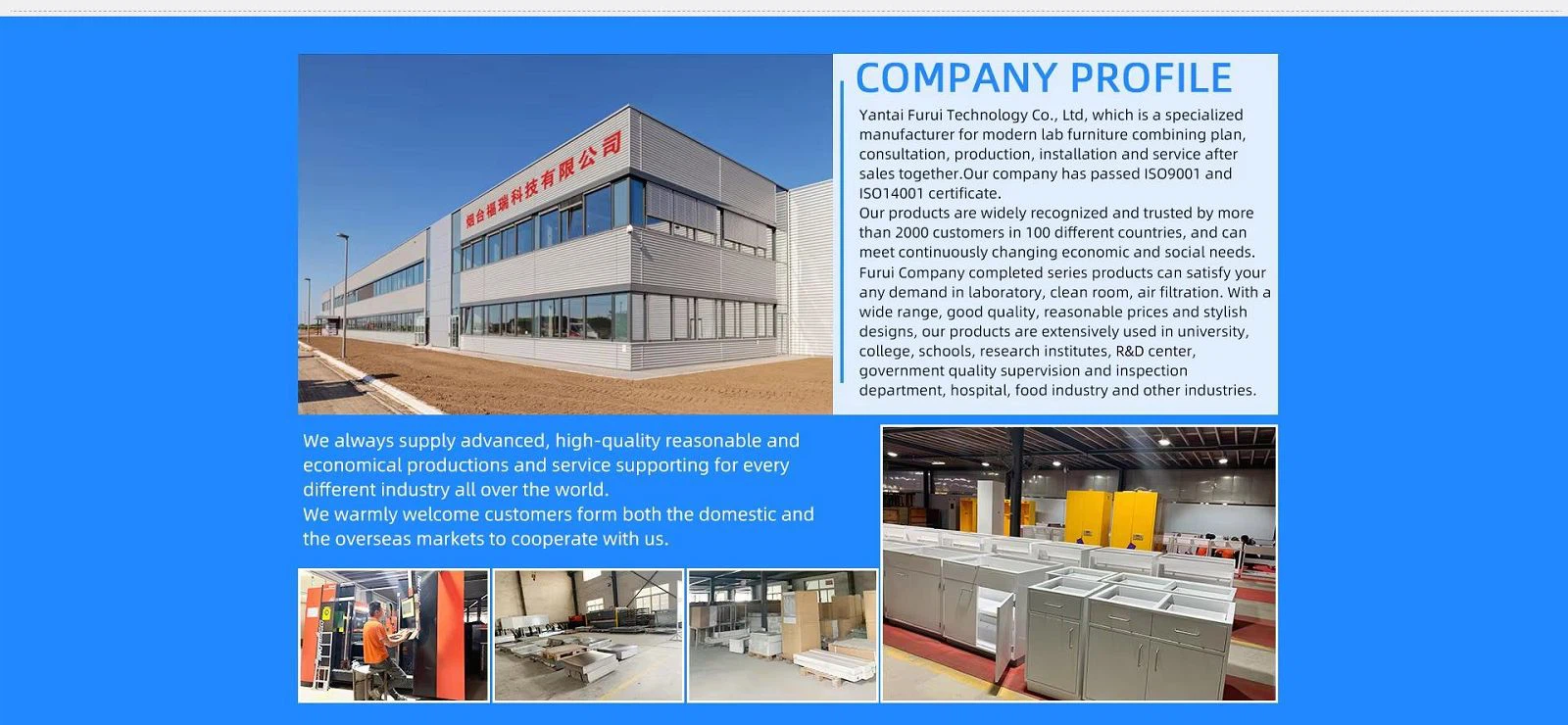

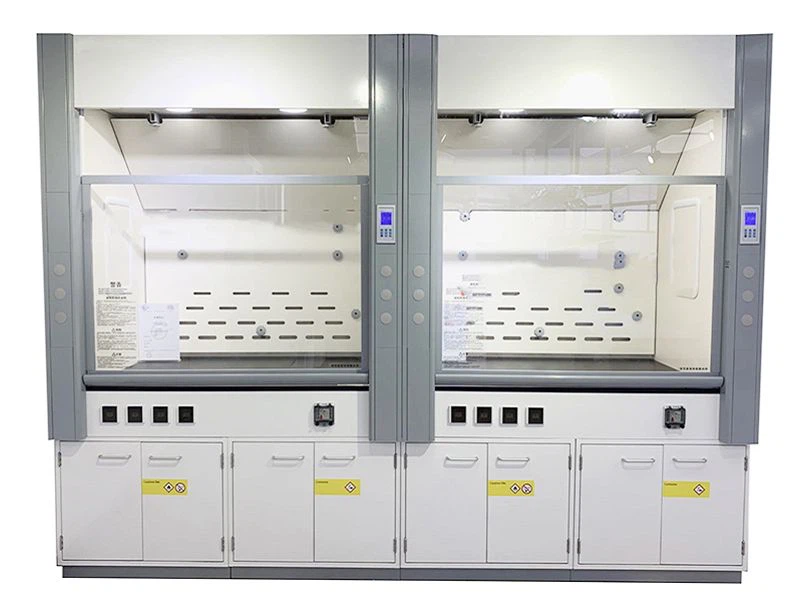
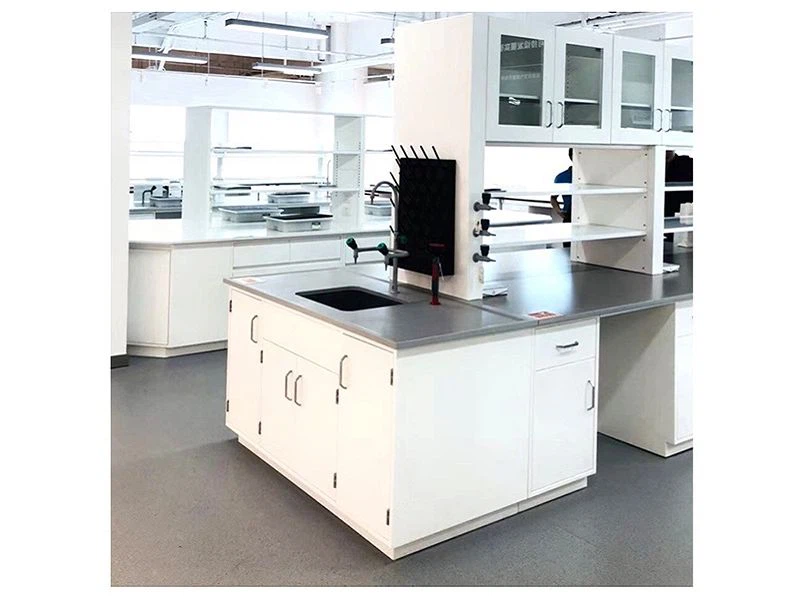
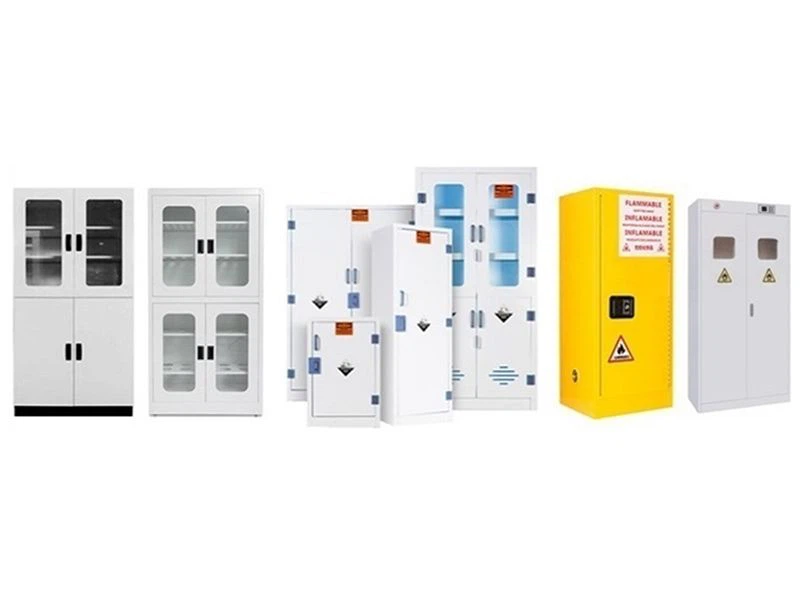
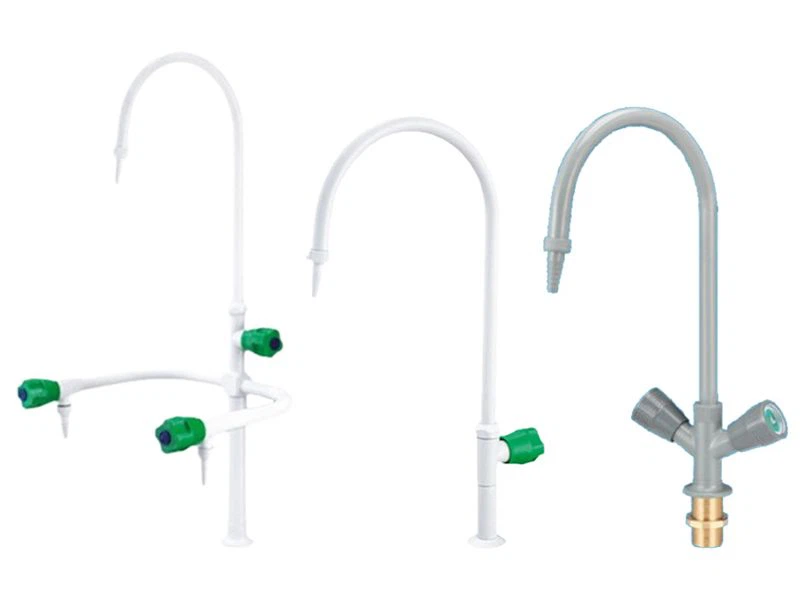
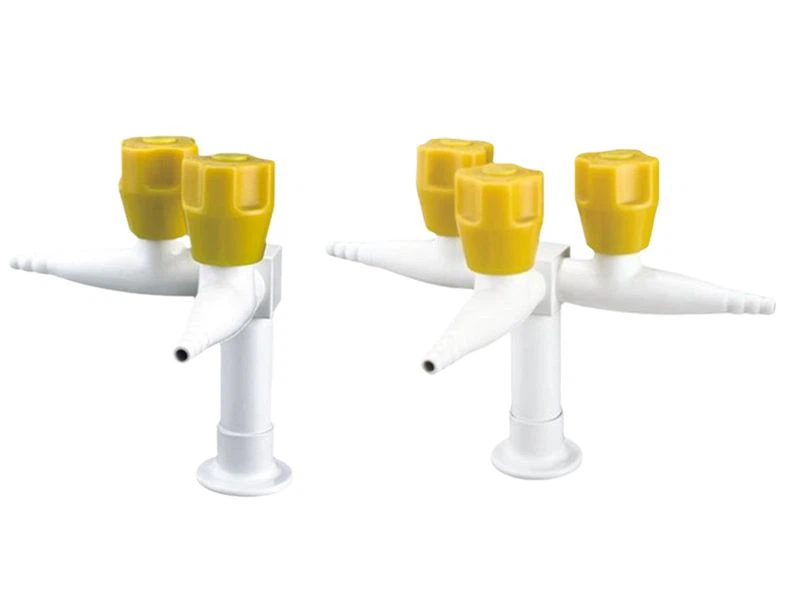
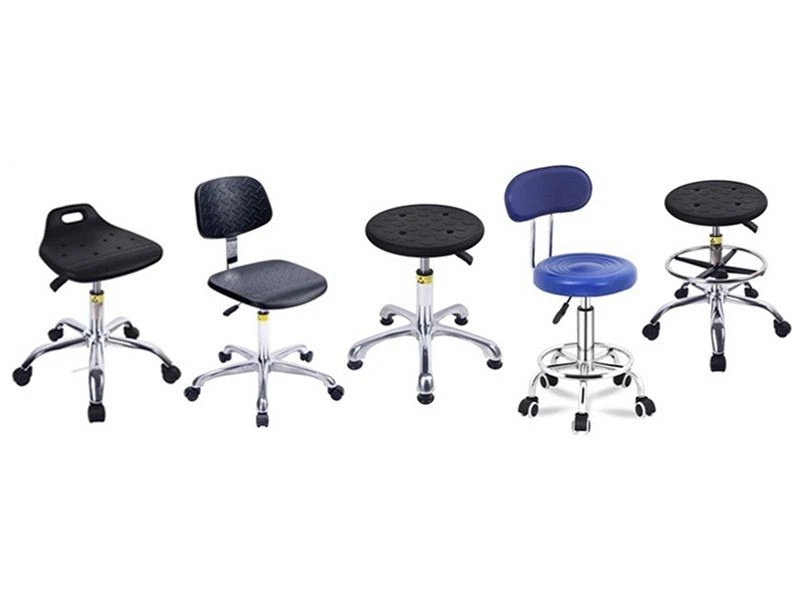
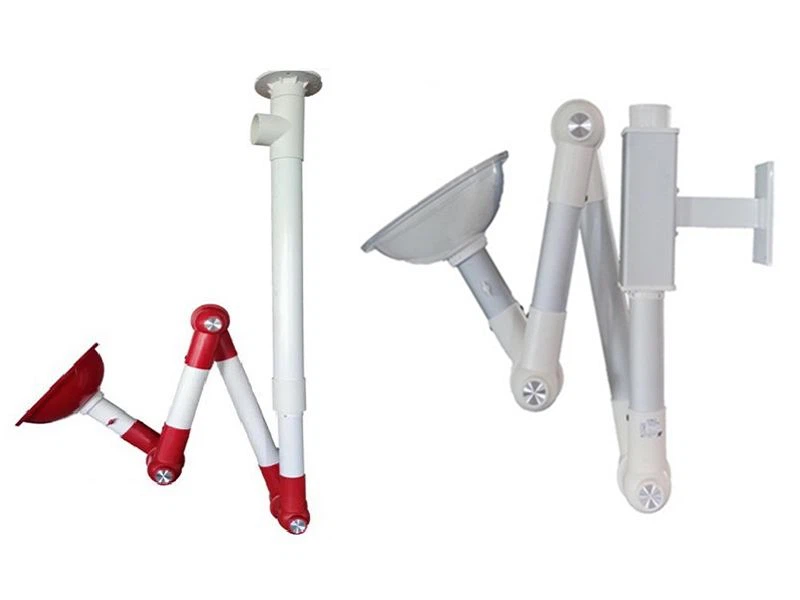
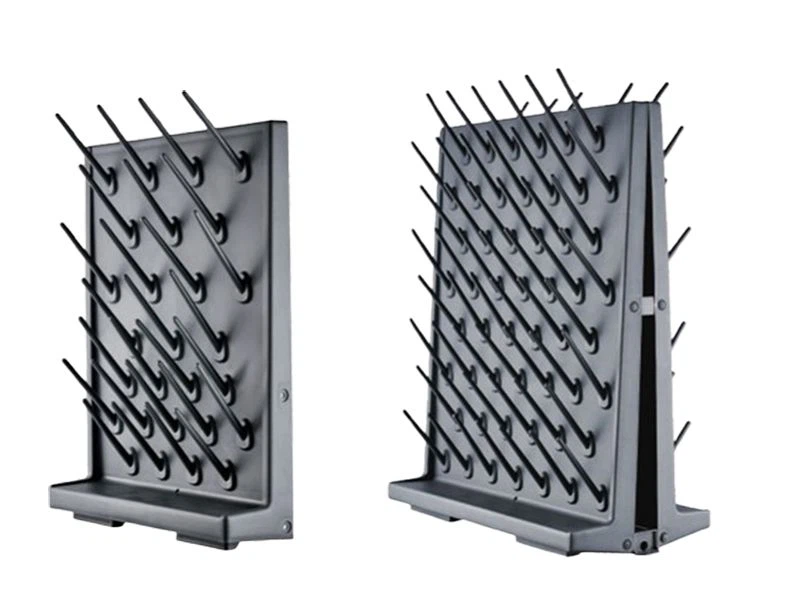
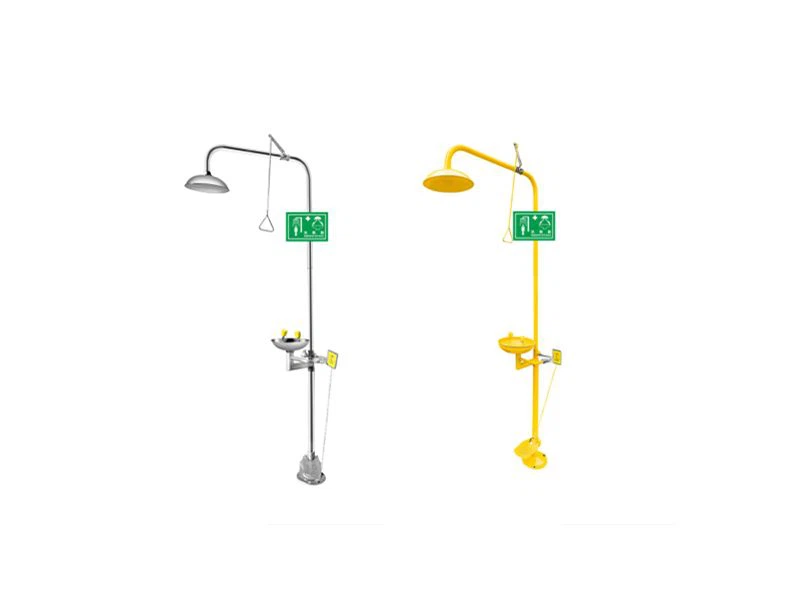
We are in Yantai, China. Our main productions include Lab Furniture, Fume Hood,Workbench,Lab cabinet etc; Lab Accessories, Faucet, Fume Extaction Arm, Lab Pegboard, Lab Chair, Lab Gas Tap, PP Sink, Eye Wash etc. Up to now, Our products have been exported to more than 30 countries, such as Russia, Kuwait, Mexico, Malaysia, Kazakhstan, India, Philippines, South Korea, South Africa, Indonesia, Thailand etc. So we can provide high service to our clients.
Main Products
FAQ
Q: What's is your shipping service?
A: We can provide services for vessel booking, goods consolidation, customs declaration, shipping documents preparation and delivery bulk at the shipping port.
Q: Can you provide the FBA shipping service?
A: Yes, we have the good experience in providing the professional FBA service.
Q: What's your tem of the delivery?
A: Our ordinary delivery term is FOB Qingdao/Shanghai. We also accept EXW, CFR, CIF, DDP, DDU etc. We'll offer you the shipping charges and you can choose the one which is the most convenient and effective for you.
Q: Which shipping way can you provide?
A: We can provide shipping by sea, by air and by express.
Q: What's your after-sale service?
A: Our quality warranty period is one year. Any quality problem will be solved to customer satisfactions.
Hot Tags: pp small capacity cup, China pp small capacity cup manufacturers, suppliers, factory, lab sink, PP Lab Sink, Pp Small Cup, Stainless Steel Lab Sink


