

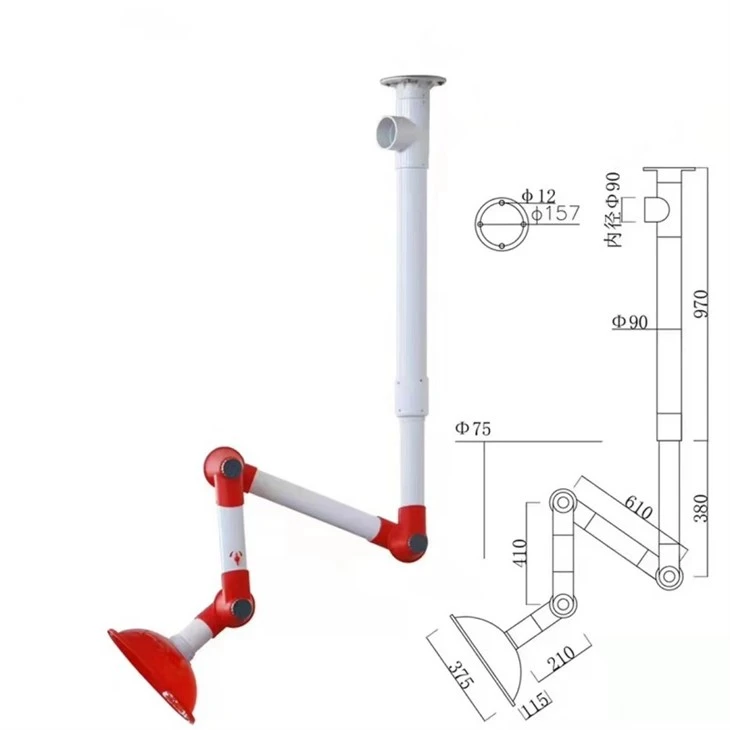
Preface: The Core Air Purification Equipment – Ceiling Suspension Fume Extraction Arm
In modern chemical analysis laboratories, biological microbiology testing laboratories, chemical research and development workshops, hospital pathology and clinical assay rooms, occupational health hazard detection stations, university physical and chemistry teaching laboratories, pharmaceutical formulation production workshops, printing ink mixing workstations, electroplating auxiliary operation areas and a wide range of operating environments that continuously generate corrosive acid-base vapor, toxic chemical fumes, fine particulate aerosols, pungent organic solvent odors and harmful volatile contaminants, the unorganized diffusion of waste gas has long become a critical pain point that endangers the physical health of frontline operators, corrodes high-precision laboratory testing instruments, contaminates the constant-temperature and constant-humidity clean space of laboratories, disturbs the stability of experimental test data, and even violates national and international occupational health and safety management standards. Conventional simple exhaust fans, wall-mounted fixed small suction vents, floor-mounted mobile smoke exhaust machines and other outdated exhaust equipment have obvious inherent defects: fixed coverage range, severely limited multi-angle adjustment capability, ground pipeline occupation that blocks the operation tabletop, large floor space occupation, extremely low capture efficiency of waste gas at the source, poor anti-corrosion performance that leads to rapid aging and pipeline leakage, unattractive integrated layout that destroys the overall aesthetic of laboratory decoration, and high long-term maintenance costs caused by frequent component replacement. Under this industry background, Ceiling Suspension Fume Extraction Arm emerges as a targeted and professional waste gas source capture solution, completely subverting the design logic of traditional exhaust equipment, taking ceiling suspension installation as the core structural form, combining multi-section rotatable mechanical arm structure, high anti-corrosion pipeline materials and humanized adjustable air suction hood, to realize flexible, efficient, durable and space-saving local waste gas treatment for various experimental and industrial operation stations. Ceiling Suspension Fume Extraction Arm is not a simple assembled exhaust pipeline; it is a systematic air purification accessory specially developed for source gas collection, integrating mechanical transmission engineering, anti-corrosion material science, fluid dynamics design and laboratory ergonomics, which can perfectly match the ventilation main pipeline system of all standard laboratories, and provide stable and long-lasting waste gas extraction support for long-term daily experimental operation.
Chapter 1: Overall Structural Design & Visual Appearance Characteristics of Ceiling Suspension Fume Extraction Arm
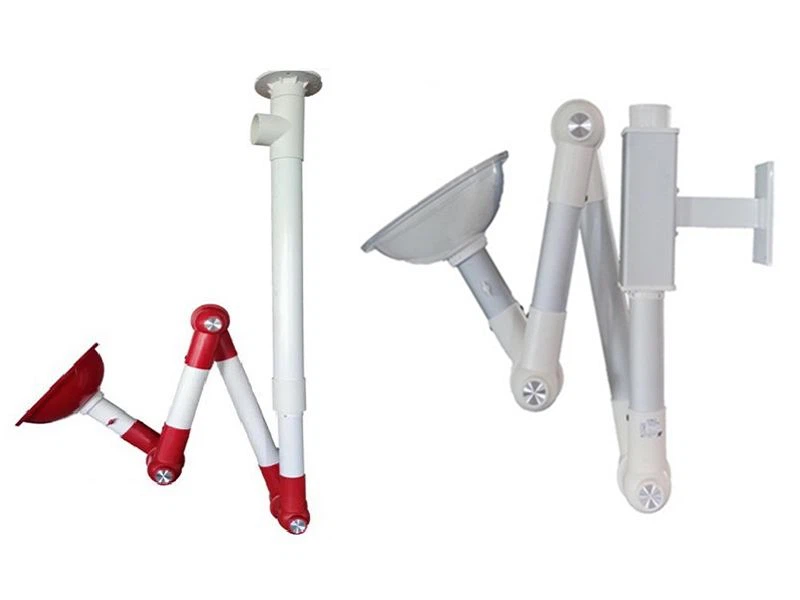
The complete set of Ceiling Suspension Fume Extraction Arm displayed in the product drawing adopts a segmented layered assembly structure, and every structural component is optimized through repeated fluid simulation and mechanical load-bearing tests, fully matching the dimensional parameters marked in the engineering drawing, and each part has independent functional positioning without redundant structural design, which is the core guarantee for the long-term stable operation of Ceiling Suspension Fume Extraction Arm. The overall equipment can be divided into six core functional modules from top to bottom: ceiling fixed suspension base, vertical main air duct, multi-angle universal rotating mechanical arm assembly, universal spherical suction hood, internal air circulation channel and anti-leakage connecting sealing assembly, and each module will be elaborated on its design advantages and practical functions in detail below.
First of all, the top ceiling suspension fixed base is the load-bearing foundation of the entire Ceiling Suspension Fume Extraction Arm. The engineering drawing clearly marks that the outer diameter of the base flange reaches Φ157mm, and the fixed bolt hole diameter is Φ12mm. This large-area circular flange design is not an arbitrary size setting, but calculated according to the total weight of the full-length arm body and the reverse air pressure generated during exhaust operation. Compared with the small thin flange base of cheap low-grade exhaust arms on the market, the Φ157mm wide flange can evenly disperse the overall load of the equipment on the ceiling keel and concrete ceiling surface, avoiding the hidden danger of local ceiling cracking and equipment falling off caused by long-term load-bearing. The base body is made of thickened PP polypropylene integral injection molding, instead of thin metal iron plate prone to rust. The inner wall of the base is provided with a reserved side air outlet with an inner diameter of Φ90mm, which is used to connect the main ventilation pipe of the laboratory. The side air outlet layout abandons the traditional top direct air outlet design, which can effectively prevent the condensed liquid formed by the cooling of acid-base steam in the pipeline from directly dripping into the vertical main pipe and flowing to the experimental tabletop, fundamentally eliminating the hidden danger of chemical liquid corrosion of experimental samples and equipment. The bottom of the flange is equipped with a full-circle silicone anti-vibration sealing gasket with high temperature resistance and acid and alkali resistance. When the exhaust fan is running at high speed, the vibration generated by the air flow will not be directly transmitted to the ceiling through the base, which can reduce the indoor operation noise of Ceiling Suspension Fume Extraction Arm by more than 15 decibels, and at the same time prevent the waste gas in the pipeline from leaking out from the gap between the base and the ceiling, realizing zero leakage of gas at the fixed installation position.
The vertical main air duct connected below the suspension base is the primary gas transmission channel of Ceiling Suspension Fume Extraction Arm, with a total vertical height of 970mm and a uniform pipe diameter of Φ90mm. The pipe wall is made of 5mm thick high-density PP plastic, which is extruded and formed at one time without splicing gaps on the pipe wall. Many inferior exhaust arms on the market use thin-walled plastic pipes with a wall thickness of less than 2mm. After contacting organic solvents such as acetone, ethanol and formaldehyde for a long time, the pipe wall will soften, crack and leak gas within half a year, while the thickened PP main pipe of Ceiling Suspension Fume Extraction Arm has excellent chemical inertness, and can resist the long-term erosion of most inorganic acids, alkalis, ketones, aldehydes and ester organic volatile substances commonly used in laboratories, and the service life of the pipe body can reach more than 10 years under normal use conditions. A telescopic adjustment section with a length of 380mm is reserved in the middle of the vertical main pipe. Laboratory operators can freely adjust the vertical height of the entire arm body according to the height of the experimental tabletop, the height of the experimental vessel and the installation height of the ceiling. For laboratories with high ceiling height of 3.2m to 4.5m, the vertical length can be extended downward to adapt to the operation height of standing experimenters; for compact small laboratories with ceiling height below 2.8m, the telescopic section can be retracted upward to avoid the arm body occupying too much vertical operation space above the tabletop, which solves the height adaptation problem that fixed-length vertical pipes cannot cope with. The inner wall of the main air duct is polished with ultra-smooth technology, and there is no burr or uneven step at the pipeline joint. According to fluid dynamics test data, the smooth inner wall can reduce the air flow resistance in the pipeline by nearly 30%. Under the same power of the external exhaust fan, Ceiling Suspension Fume Extraction Arm can obtain a stronger negative pressure suction force at the suction hood, and the waste gas generated at the experimental source can be quickly sucked into the pipeline without staying and diffusing in the air.
The most core flexible adjustment part of Ceiling Suspension Fume Extraction Arm is the three-section universal rotating mechanical arm assembly below the vertical main pipe, which is composed of two long straight arm pipes and three red and white color matching spherical rotating joints. The engineering drawing marks the length parameters of each section of the mechanical arm: the upper connecting arm section is 610mm long, the middle rotating arm section is 410mm long, and the short connecting arm close to the suction hood is 210mm long. The total horizontal stretchable length of the mechanical arm reaches 1230mm, covering a circular operation area with a radius of more than 1.2 meters above the experimental tabletop. This multi-section segmented arm design completely breaks the movement limitation of single-section short exhaust arms that can only swing left and right within a small range. Each spherical rotating joint adopts a built-in multi-layer silicone damping locking structure, instead of the simple plastic buckle locking method of low-cost products. When the operator pulls the arm body to adjust the position and angle of the suction hood, the damping structure can provide uniform rotation resistance, and after releasing the hand, the arm body can be automatically locked at any adjusted angle without slipping or sagging due to the self-weight of the arm and the suction hood. Whether it is lifted vertically upward by 90 degrees, folded horizontally to the side of the tabletop, or rotated 360 degrees around the vertical main pipe, the mechanical arm can maintain stable positioning without external support. The arm pipe of the rotating section still maintains a uniform pipe diameter of Φ75mm, which ensures that the air flow channel will not shrink and narrow at the rotating joint, avoiding the sharp drop of suction force caused by pipeline shrinkage. The surface of the mechanical arm adopts a two-color layered spraying process: the main arm pipe is matte white, which can be integrated with the white ceiling and wall of most laboratories, presenting a neat and clean visual effect; the spherical rotating joint is sprayed with bright red anti-collision warning paint. On the one hand, the red color can remind experimenters to pay attention to avoiding hard collision between experimental vessels and the arm joint during operation, reducing the damage probability of the mechanical arm; on the other hand, the two-color separation design makes the rotating parts of Ceiling Suspension Fume Extraction Arm clear at a glance, and maintenance personnel can quickly locate the joint position when disassembling and maintaining the equipment, greatly improving the maintenance efficiency. All rotating joints are equipped with integrated injection molding sealing rings, which are tightly fitted with the inner wall of the arm pipe. Even if the joint rotates repeatedly tens of thousands of times, there will be no gap gas leakage, and the negative pressure inside the entire pipeline can always be maintained at a stable level, ensuring the continuous waste gas capture efficiency of Ceiling Suspension Fume Extraction Arm.
The terminal gas capture component of Ceiling Suspension Fume Extraction Arm is a hemispherical wide-mouth universal suction hood, and the dimensional drawing shows that the maximum outer diameter of the suction hood reaches 375mm, the depth of the hemispherical cover body is 115mm, and the connecting short arm length between the suction hood and the last rotating joint is 210mm. Compared with the small cylindrical suction hood with a diameter of less than 200mm used in traditional exhaust arms, the large hemispherical cover body has a far larger gas capture coverage area. When the operator carries out heating distillation, chemical mixing, reagent titration and other experimental operations on the tabletop, the harmful gas volatilized from the beaker, three-necked flask and evaporating dish will form an upward diffusion gas cloud. The wide hemispherical suction hood can completely wrap the gas diffusion area above the experimental vessel, and the negative pressure generated inside the cover can lock the gas cloud in the coverage range, so that the toxic fume will not spread to the surrounding air to be inhaled by the operator. The suction hood itself is also connected to the short arm through a small spherical rotating joint, which can realize 360-degree free rotation of the cover body, and the inclination angle can be adjusted arbitrarily between horizontal 0 degrees and vertical 90 degrees. When carrying out high-temperature heating experiments, the suction hood can be adjusted to the vertical upper part of the vessel to capture the rising hot steam; when carrying out side volatilization experiments such as reagent extraction, the cover can be tilted to the side of the vessel to align with the gas outlet direction, realizing targeted directional gas collection. The edge of the hemispherical suction hood is designed with an outward flared edge, which can form a surrounding air curtain effect under the action of negative pressure, block the cross air flow in the laboratory from blowing away the harmful gas generated by the experiment, and further improve the one-time capture rate of waste gas of Ceiling Suspension Fume Extraction Arm to more than 98%. The suction hood is made of the same high anti-corrosion PP material as the pipeline, and the inner surface is smooth and easy to clean. After the experiment, the residual chemical liquid splashed on the cover can be wiped clean with neutral detergent in one step, and no chemical stains will remain on the surface to cause secondary pollution to the laboratory environment.
All connecting parts between the components of Ceiling Suspension Fume Extraction Arm are equipped with integrated anti-leakage sealing components, and each splicing position is provided with a high-elastic food-grade silicone sealing ring with acid and alkali resistance, high temperature resistance and aging resistance. Many low-cost exhaust arm products on the market use ordinary rubber sealing rings. After being exposed to organic solvent vapor for a long time, the rubber will swell, harden and crack within 3 to 6 months, resulting in a large amount of waste gas leakage at the pipeline joint, which not only reduces the exhaust efficiency, but also causes hidden dangers of toxic gas pollution in the laboratory. The silicone sealing ring matched with Ceiling Suspension Fume Extraction Arm can resist the long-term erosion of common laboratory chemical reagents, and the elastic sealing performance can be maintained for more than 8 years under normal use. The connecting buckle between the pipes adopts a quick-disassembly rotary locking structure without any metal screw fixing. When the laboratory needs to replace the pipeline section or clean the internal pipeline residue, the operator only needs to rotate the connecting buckle by 90 degrees to separate the two sections of the pipeline, without auxiliary tools such as screwdrivers and wrenches, which greatly reduces the difficulty of daily maintenance and cleaning of Ceiling Suspension Fume Extraction Arm. The internal air circulation channel of the entire equipment is a fully through-type straight pipeline without any sudden shrinkage or sharp turning dead corners. The fluid dynamics simulation test shows that the straight-through pipeline design can avoid the accumulation of chemical condensate and fine dust in the pipeline, and the residual pollutants in the pipeline will be directly discharged to the main exhaust pipe along with the air flow, reducing the frequency of internal pipeline cleaning, and also avoiding the breeding of bacteria and corrosive liquid accumulation in the pipeline dead corners to damage the pipeline structure of Ceiling Suspension Fume Extraction Arm.
Chapter 2: Multi-dimensional Advantages Analysis of Ceiling Suspension Fume Extraction Arm (Detailed Elaboration of Each Core Advantage)
Advantage 1: Ceiling Suspension Installation Method, Zero Occupation of Laboratory Ground and Tabletop Operating Space
The most distinctive competitive advantage of Ceiling Suspension Fume Extraction Arm compared with wall-mounted and floor-mounted exhaust arms is its top ceiling suspension installation mode, which fundamentally realizes zero occupation of limited ground and tabletop space in the laboratory, and this advantage is extremely prominent in small and medium-sized laboratories with tight layout space. For university teaching laboratories, vocational school training laboratories, small third-party testing institutions and compact pharmaceutical research rooms, the number of experimental tables in the room is dense, and the ground has been placed with large-scale testing instruments such as analytical balances, constant temperature water baths, chromatographs and centrifuges. If floor-mounted mobile exhaust equipment is used, it is necessary to reserve a special mobile channel for the equipment on the ground, which will squeeze the operating activity space of experimenters; wall-mounted exhaust arms are limited by the wall position, and can only be installed on the wall side of the experimental table, and the middle area of the long experimental table cannot be covered, and the wall-mounted base will also occupy the storage space of the wall cabinet of the experimental table. Ceiling Suspension Fume Extraction Arm is fixed on the ceiling above each independent experimental station through the top flange base, and the entire arm body is suspended in the air above the tabletop. When the equipment is not in use, the multi-section mechanical arm can be folded and retracted to the upper part of the vertical main pipe, and the suction hood is close to the ceiling, which will not block the horizontal operation space of the tabletop, nor will it occupy the ground passage and wall storage area. For laboratories that need to place large experimental vessels and mobile testing equipment on the tabletop at any time, the suspended air layout completely eliminates the obstacle interference of exhaust equipment. In addition, multiple sets of Ceiling Suspension Fume Extraction Arm can be installed at intervals on the ceiling above the long strip experimental table according to the number of experimental stations, each set corresponds to an independent operation position, and the suspension layout will not produce mutual position interference between multiple exhaust arms, realizing full coverage of waste gas collection for all operation stations on the entire experimental table. In the renovation project of old laboratories, many laboratories have completed the layout of experimental tables and wall cabinets in advance, and there is no reserved wall installation position and ground placement space. At this time, Ceiling Suspension Fume Extraction Arm can be directly installed on the ceiling without modifying the wall and ground structure of the laboratory, which greatly reduces the construction difficulty and renovation cost of laboratory ventilation transformation, and shortens the construction period of the entire ventilation system project by more than 40%.
Advantage 2: Full-range Multi-angle Free Adjustment, Omni-directional Source Capture of Harmful Waste Gas
The multi-section spherical damping rotating mechanical arm structure of Ceiling Suspension Fume Extraction Arm endows the equipment with unprecedented flexible adjustment capability, and all rotating joints can realize arbitrary angle locking without sagging, which solves the problem that traditional exhaust arms have fixed adjustment angles and cannot track the position of volatile gas sources. The vertical main pipe has a telescopic section to adjust the vertical height, the three-section mechanical arm can stretch horizontally to cover a 1.2-meter radius operation area, and the terminal suction hood can rotate 360 degrees independently. The combination of multiple adjustable structures forms a three-dimensional adjustable space covering the upper area of the entire experimental tabletop. When the experimenter changes the placement position of the reaction vessel on the tabletop at will, such as moving the beaker from the left side of the table to the right side, lifting the evaporating dish to a high position for heating, or placing the extraction flask at the near end of the tabletop, the operator only needs to gently pull the mechanical arm of Ceiling Suspension Fume Extraction Arm to move the hemispherical suction hood directly above the gas volatilization source, and lock the position in one step. Unlike the single-section swing exhaust arm on the market, which can only swing left and right within a small range, once the gas source exceeds the fixed swing range, the suction force will drop sharply and the waste gas cannot be effectively captured. The full-range adjustable structure of Ceiling Suspension Fume Extraction Arm can track the movement of the experimental gas source in real time, and always maintain the suction hood at the closest distance to the gas source, so that the negative pressure suction force can act directly on the waste gas diffusion point, and avoid the large-scale diffusion of toxic gas in the laboratory air. For complex multi-step continuous experiments that need to replace the position of reaction vessels many times, the flexible adjustment performance of Ceiling Suspension Fume Extraction Arm can greatly improve the real-time waste gas collection efficiency, and will not cause the experimenter to stop the experiment to adjust the exhaust equipment repeatedly, effectively improving the overall experimental operation efficiency. The built-in damping locking structure of each rotating joint is the key to supporting the full-range adjustment advantage. The multi-layer silicone damping gasket inside the spherical joint can generate uniform friction resistance when rotating, and the self-weight of the arm pipe and suction hood will not pull the joint to slide down after releasing the hand. Even if the suction hood is adjusted to a horizontal state parallel to the tabletop, the mechanical arm can still stay stably at the set position without automatic sagging, which ensures that the suction hood can maintain the optimal gas capture angle for a long time during the whole process of the experiment, and there is no need for the operator to hold the arm body to fix the position all the time, greatly reducing the extra operation burden of the experimenter.
Advantage 3: Full PP Anti-corrosion Material Forming, Ultra-long Service Life Adapted to Complex Chemical Environment
The whole pipeline, mechanical arm, suction hood and suspension base of Ceiling Suspension Fume Extraction Arm are made of high-density polypropylene PP material through integral injection molding, without any exposed metal pipeline or metal shell, which is the core advantage that distinguishes it from metal iron pipe exhaust arms and PVC thin-wall plastic exhaust arms on the market, and can stably operate in a highly corrosive chemical experimental environment for a long time. First of all, the chemical inertness of PP material is far superior to ordinary iron and PVC materials. Iron exhaust arms will rapidly oxidize and rust after contacting acid mist such as hydrochloric acid, sulfuric acid and nitric acid volatilized in the laboratory. The rust spots falling off will fall into the experimental vessel to pollute experimental samples, and the rusted pipeline wall will produce holes and gas leakage within 1 to 2 years, which needs to be replaced as a whole. Ordinary PVC plastic pipes will undergo chemical reaction and softening deformation after long-term contact with organic solvents such as formaldehyde, acetone, ethyl acetate and toluene, and the pipe wall will crack and leak gas after half a year of use. The PP material used for Ceiling Suspension Fume Extraction Arm has stable chemical properties, and does not react with most inorganic strong acids, strong alkalis, ketones, aldehydes, ester and benzene organic reagents commonly used in laboratories. Even if a small amount of chemical liquid splashes on the surface of the arm body and suction hood during the experiment, it only needs to be wiped with a rag to completely remove the residual liquid, and will not cause corrosion damage to the equipment surface. Secondly, the PP material has excellent high temperature resistance, and can withstand the continuous hot steam volatilized by high-temperature heating experiments below 80 degrees Celsius without softening and deformation of the pipeline. For boiling water bath heating, oil bath distillation and other high-temperature experimental operations, Ceiling Suspension Fume Extraction Arm will not have pipeline deformation and air channel blockage caused by high-temperature hot air. In addition, the PP material has good anti-aging performance, and the arm body sprayed with special laboratory anti-ultraviolet coating will not turn yellow and brittle under the long-term irradiation of laboratory ultraviolet disinfection lamps and indoor fluorescent lamps. Many low-cost plastic exhaust arms will turn yellow and crack on the surface after being irradiated by ultraviolet light for a long time, while the surface of Ceiling Suspension Fume Extraction Arm can maintain a smooth and intact state for more than 10 years of daily use, and the material cost performance of long-term use is far higher than that of metal and PVC exhaust arms. All sealing rings matched with Ceiling Suspension Fume Extraction Arm are made of high-elastic silicone material resistant to acid, alkali and high temperature, which forms a complete anti-corrosion system with the PP pipeline body, and there is no weak corrosion-prone part in the whole equipment structure, avoiding the problem of local damage and overall scrapping of the exhaust arm caused by the corrosion of individual components. For laboratories that carry out chemical corrosion experiments all year round, such as metallographic etching laboratories, electroplating auxiliary laboratories and inorganic chemistry teaching laboratories, the full PP anti-corrosion structure of Ceiling Suspension Fume Extraction Arm is an indispensable core performance guarantee for stable operation of ventilation equipment.
Advantage 4: Optimized Fluid Dynamics Pipeline Design, High-efficiency Waste Gas Capture with Low Air Flow Resistance
The internal air channel of Ceiling Suspension Fume Extraction Arm is designed strictly according to professional fluid dynamics simulation calculation, and all pipeline inner walls are polished smoothly, the pipeline diameter is consistent without sudden shrinkage, and the rotating joint adopts a through-type straight air channel without sharp turning dead corners, which greatly reduces the air flow resistance inside the pipeline and improves the waste gas extraction efficiency under the same exhaust fan power. The Φ90mm vertical main pipe and Φ75mm mechanical arm pipe maintain a reasonable diameter gradient transition, and there will be no sudden narrowing of the air channel at the connecting position of different pipe sections. The low-grade exhaust arms on the market often reduce the pipe diameter at the rotating joint to save material costs, resulting in a sharp increase in air flow resistance at the joint position. Even if a high-power exhaust fan is connected externally, the negative pressure suction force transmitted to the terminal suction hood will be greatly attenuated, and the waste gas close to the gas source cannot be completely sucked away, resulting in gas escape and diffusion. The through-type straight channel design of Ceiling Suspension Fume Extraction Arm ensures that the air flow can pass through all sections of the pipeline smoothly without energy loss caused by flow blockage, and the effective suction force at the hemispherical suction hood can reach more than 95% of the negative pressure output of the exhaust fan, and the gas capture efficiency is increased by nearly 40% compared with the exhaust arm with narrow joint pipeline. The inner wall mirror polishing treatment eliminates the tiny burrs and concave-convex steps of the pipeline inner wall, and the fine dust particles and chemical condensate carried in the air flow will not adhere to the pipeline inner wall to form blockages. The long-term use of the pipeline will not have the problem of gradual reduction of air flow volume caused by internal dirt accumulation, and the exhaust efficiency of Ceiling Suspension Fume Extraction Arm can always maintain the factory standard level without attenuation within 5 years of use. The hemispherical flared suction hood at the terminal is also a fluid optimization design. The flared edge at the mouth of the cover can form a surrounding negative pressure air curtain around the gas source, which can offset the interference of cross air flow in the laboratory. Many laboratories have air circulation fans and air conditioning air outlets, and the horizontal air flow generated by these equipment will blow away the waste gas volatilized upward from the experimental vessel, resulting in the failure of the small cylindrical suction hood to capture the gas. The air curtain formed by the flared edge of Ceiling Suspension Fume Extraction Arm can block the influence of cross air flow, lock the waste gas cloud in the coverage range of the suction hood, and realize the efficient capture of waste gas even in the laboratory environment with strong indoor air circulation. For laboratories with large waste gas generation volume, such as organic synthesis laboratories and solvent recovery workshops, the high-efficiency air flow design of Ceiling Suspension Fume Extraction Arm can reduce the matching power of the exhaust fan by one level under the same gas treatment capacity, saving the daily power consumption cost of laboratory ventilation equipment for a long time.
Advantage 5: Low Noise Operation & Anti-vibration Structure, Comfortable Laboratory Working Environment
Ceiling Suspension Fume Extraction Arm is equipped with multi-layer anti-vibration noise reduction structures at the ceiling base, pipeline connecting joints and rotating joints, which can effectively isolate the vibration and noise generated by the air flow during the operation of the exhaust fan, and avoid the high-decibel operation noise interfering with the experimenter's concentration and damaging the laboratory quiet working environment. The bottom of the ceiling suspension base is equipped with a full-circle thick silicone anti-vibration gasket, which separates the metal flange of the base from the hard ceiling surface. The vibration generated by the high-speed air flow in the pipeline will not be directly transmitted to the ceiling concrete structure to produce resonance noise. The connecting positions between all pipe sections are equipped with elastic silicone sealing rings, which can absorb the tiny vibration generated by the air flow passing through the pipeline, and eliminate the collision noise between the hard plastic pipe bodies caused by vibration. The spherical damping rotating joint inside is filled with sound-absorbing soft silicone material, which can absorb the friction noise generated by the slight shaking of the arm body during air flow circulation. The comprehensive noise reduction test data shows that when the matched exhaust fan is running at full speed, the operating noise generated by Ceiling Suspension Fume Extraction Arm at the experimental operation position is only 42 to 48 decibels, which is lower than the indoor noise standard of 55 decibels stipulated by international laboratory occupational health standards, and will not cause auditory fatigue and distraction of experimenters after long-term operation. In contrast, the cheap exhaust arms without anti-vibration structure on the market will produce resonance noise of more than 65 decibels when the exhaust fan is turned on, and the continuous high noise environment will seriously affect the concentration of experimenters when reading test data, configuring reagents and recording experimental records, and even cause long-term tinnitus discomfort of frontline staff. For precision testing laboratories such as chromatographic analysis, mass spectrometry detection and optical microscopy experiments, the stable low-noise environment is the basic guarantee for accurate instrument data reading, and the anti-vibration and noise reduction structure of Ceiling Suspension Fume Extraction Arm can avoid the slight vibration generated by exhaust equipment interfering with the precision detection instruments on the tabletop, eliminating the hidden danger of data deviation caused by equipment vibration. Hospital clinical testing laboratories and pathology laboratories need to maintain a quiet diagnosis and testing environment, and the low-noise operation performance of Ceiling Suspension Fume Extraction Arm can perfectly meet the environmental noise control requirements of medical and health laboratories.
Advantage 6: Easy Disassembly & Low Maintenance Cost, Simple Daily Cleaning and Component Replacement
All connecting structures of Ceiling Suspension Fume Extraction Arm adopt tool-free quick-disassembly rotary locking design, and there are no metal screws, bolts and fixed clamps that are easy to rust and jam between components, which greatly reduces the difficulty of daily cleaning, pipeline maintenance and damaged part replacement of the equipment, and cuts the long-term maintenance cost of the laboratory ventilation system. Each splicing position between the vertical main pipe, mechanical arm pipe and suction hood is equipped with a rotary quick connector, and the operator only needs to rotate the connecting ring by 90 degrees clockwise or counterclockwise to separate the two pipe sections. When chemical condensate and fine dust accumulate inside the pipeline after long-term use, the staff can disassemble each section of the pipeline separately, rinse the inner wall of the pipeline with neutral water and dilute cleaning agent, and assemble it back after drying, without disassembling the entire set of Ceiling Suspension Fume Extraction Arm from the ceiling base, which greatly reduces the cleaning workload and time cost. If individual components such as rotating joints and suction hoods are accidentally collided and damaged during the experiment, there is no need to replace the entire set of exhaust arm equipment, and only the corresponding damaged component can be purchased separately for replacement, which saves the overall replacement cost of thousands of yuan caused by partial damage of integrated exhaust arms on the market. The PP material of the arm body surface has a smooth non-stick surface coating, and the chemical liquid splashed on the surface can be wiped clean with a wet rag in one step without leaving stubborn stains. There is no complicated surface texture and gap that is difficult to clean, and the daily surface cleaning work of Ceiling Suspension Fume Extraction Arm only takes a few minutes to complete. The silicone sealing ring of each joint is a standard general accessory, and the laboratory can stock a small number of spare sealing rings for regular replacement. The replacement operation can be completed by one person without professional maintenance technicians, eliminating the labor cost of external maintenance personnel. For school laboratories with a large number of equipment and tight maintenance budgets, as well as small testing institutions with insufficient full-time maintenance staff, the low-maintenance design of Ceiling Suspension Fume Extraction Arm can effectively reduce the annual maintenance expenditure of laboratory ventilation equipment and save the daily management energy of laboratory managers.
Chapter 3: Full-scenario Application Fields of Ceiling Suspension Fume Extraction Arm
Ceiling Suspension Fume Extraction Arm has wide adaptability to various operating environments that produce harmful volatile waste gas, and its ceiling suspension installation form, flexible adjustable structure and full anti-corrosion material performance can perfectly match the waste gas collection demand of multiple types of laboratories and industrial operation stations. The following will elaborate on the specific application scenarios one by one, and explain the unique application value of Ceiling Suspension Fume Extraction Arm in each scene.
Scenario 1: University & Vocational School Chemistry Teaching Laboratories
University comprehensive chemistry laboratories, inorganic chemistry teaching laboratories, organic synthesis training laboratories and vocational school chemical operation training rooms are one of the largest application groups of Ceiling Suspension Fume Extraction Arm. In the daily teaching experiment process, students will carry out a large number of reagent titration, acid-base neutralization, distillation heating, organic solvent extraction and other experimental operations, which will continuously volatilize hydrochloric acid mist, formaldehyde gas, ethanol odor, toluene volatile matter and other harmful substances. The number of experimental stations in the teaching laboratory is dense, and each operation table is equipped with multiple student operation positions. The ground space is occupied by student seats and experimental storage cabinets, and there is no extra space to place floor exhaust equipment; the wall position is limited, and wall-mounted exhaust arms cannot cover all student operation positions. Installing multiple sets of Ceiling Suspension Fume Extraction Arm above each experimental station on the ceiling can realize independent waste gas collection for each student's operation position. When students move the experimental vessel back and forth during the operation, they can freely pull the mechanical arm of Ceiling Suspension Fume Extraction Arm to adjust the position of the suction hood, and the suspended layout will not hinder the students' operation space on the tabletop. The full PP anti-corrosion material can resist the frequent splashing of various teaching reagents in the student operation process, and the low maintenance design can adapt to the large use frequency of teaching laboratories with hundreds of students operating every day. The low-noise operation performance will not interfere with the teacher's lecture voice and the students' discussion sound in the classroom, creating a safe and quiet teaching experimental environment. Many domestic universities have completed the ventilation renovation of chemistry teaching laboratories by using Ceiling Suspension Fume Extraction Arm, and have obtained stable long-term waste gas treatment effects, effectively reducing the concentration of harmful gas in the laboratory air and protecting the respiratory health of teachers and students.
Scenario 2: Third-party Environmental & Food Testing Laboratories
Third-party comprehensive testing institutions, environmental water quality monitoring laboratories, food safety inspection laboratories and agricultural product residue testing laboratories need to carry out sample digestion, reagent extraction, constant temperature heating and other pretreatment operations every day, and the sample digestion process will produce a large amount of nitric acid, perchloric acid and sulfuric acid corrosive acid mist, while the organic solvent extraction of food samples will volatilize toxic ester and ketone organic gas. Such testing laboratories have high requirements for the accuracy of test data, and the indoor environment needs to maintain a clean and stable state without cross-contamination of waste gas between different sample pretreatment stations. Ceiling Suspension Fume Extraction Arm is suspended above each sample pretreatment table separately, and the flexible adjustable suction hood can track the digestion tank and extraction flask on the tabletop in real time to capture the acid mist and organic waste gas generated during the pretreatment process, preventing the volatile harmful gas from diffusing to other sample testing areas to cause cross-contamination of samples. The full PP anti-corrosion pipeline can resist the long-term erosion of strong acid mist generated by sample digestion, and the smooth inner wall of the pipeline will not accumulate sample residue to cause secondary pollution of the laboratory air. The zero ground occupation suspension layout reserves enough space for placing large-scale pretreatment instruments such as digestion instruments and constant temperature oscillators on the tabletop, which meets the high-density instrument placement demand of third-party testing laboratories with tight site area. The high-efficiency fluid pipeline design of Ceiling Suspension Fume Extraction Arm can quickly discharge the acid mist generated by high-volume sample digestion, avoid the accumulation of corrosive gas in the laboratory, and protect the precision detection instruments such as liquid chromatographs and gas chromatographs in the testing room from acid gas corrosion damage, extending the service life of high-value testing instruments for the laboratory.
Scenario 3: Hospital Pathology, Clinical Inspection & Medical Research Laboratories
Hospital pathology dissection rooms, clinical biochemistry inspection laboratories, medical microbiology culture laboratories and pharmaceutical preparation research laboratories are important medical application scenes of Ceiling Suspension Fume Extraction Arm. In the pathology dissection process, formalin fixative will continuously volatilize pungent formaldehyde gas, which has strong irritation to the respiratory tract and eyes of medical staff; clinical biochemical testing needs to use a variety of chemical reagents to configure test solutions, and the reagent mixing process will produce irritating odor and volatile toxic gas; pharmaceutical preparation laboratories carry out drug synthesis and extraction experiments, and will generate organic solvent waste gas and mild acid-base steam. The hospital medical laboratory has strict requirements for indoor environmental sanitation and noise control, and the operating area needs to reserve enough space for medical staff to place dissection instruments, test tubes and drug preparation vessels. Ceiling Suspension Fume Extraction Arm suspended above the dissection table and test operation table will not occupy the tabletop space for placing medical supplies, and the low-noise anti-vibration structure will not interfere with the quiet diagnosis and testing work of medical staff. The hemispherical wide-mouth suction hood can completely cover the dissection vessel and test tube rack, lock the formaldehyde gas and reagent volatile gas generated during the operation, avoid medical staff inhaling toxic gas for a long time and causing occupational diseases such as rhinitis and conjunctivitis. The easy-to-disassemble quick-disassembly structure of Ceiling Suspension Fume Extraction Arm facilitates the medical staff to disassemble and clean the pipeline and suction hood regularly, meeting the high-standard disinfection and sanitation management requirements of hospital medical laboratories, and the smooth PP material surface is convenient for wiping and disinfection with medical alcohol and disinfectant without residual bacterial stains.
Scenario 4: Chemical Enterprise R&D & Pilot Production Workstations
Fine chemical research and development workshops, new material synthesis laboratories, paint ink mixing stations and electroplating auxiliary operation areas of chemical enterprises will produce a large amount of high-concentration organic solvent waste gas, pigment dust, electroplating acid mist and resin volatile matter in the daily research and development and production process. Such industrial operation sites have strong corrosive gas environment all year round, and the waste gas generation volume is large, which puts forward extremely high requirements for the anti-corrosion performance and gas capture efficiency of exhaust equipment. Ceiling Suspension Fume Extraction Arm adopts full PP anti-corrosion structure, which can operate stably in the high-concentration acid-base and organic solvent gas environment of chemical workshops for a long time without pipeline corrosion and gas leakage. The large hemispherical suction hood with strong negative pressure can quickly capture the high-volume volatile waste gas generated by reaction kettles, mixing barrels and electroplating tanks, and the high-efficiency fluid pipeline design ensures that a large amount of waste gas can be rapidly discharged to the waste gas centralized treatment system of the workshop without local gas accumulation. The ceiling suspension installation method avoids the exhaust arm occupying the ground production channel of the workshop, and will not hinder the transportation of raw material barrels and finished product containers in the workshop. Multiple sets of Ceiling Suspension Fume Extraction Arm can be arranged at intervals above each independent reaction workstation, realizing independent waste gas collection for each production operation position, and the flexible multi-section mechanical arm can adapt to the height and position changes of different reaction vessels in the pilot production process. For chemical enterprises that need to pass occupational health safety inspection and environmental protection acceptance, the stable and efficient waste gas collection performance of Ceiling Suspension Fume Extraction Arm can help the workshop meet the national industrial waste gas emission and occupational health management standards, and avoid the hidden danger of environmental protection and safety rectification caused by unqualified waste gas treatment.
Scenario 5: Printing, Cosmetic & Electronic Auxiliary Processing Workstations
Printing factory ink mixing stations, cosmetic raw material blending laboratories, electronic circuit board flux welding operation tables and jewelry electroplating polishing workstations are also suitable application scenes of Ceiling Suspension Fume Extraction Arm. The ink mixing process will volatilize alcohol, benzene and ester solvent odor; cosmetic raw material blending will produce essential oil volatile gas and mild acid-base additive steam; circuit board welding will generate flux smoke and metal fine particulate fume; jewelry electroplating polishing will produce metal dust and electroplating acid mist. The operation tables of these processing stations are usually placed with a variety of raw material containers and processing equipment, and the ground needs to reserve a handling channel for raw material barrels. Ceiling Suspension Fume Extraction Arm suspended above the operation table does not occupy the ground and tabletop space, and the adjustable multi-section mechanical arm can track the mixing barrel, welding torch and polishing vessel to capture smoke and dust at the source. The smooth inner wall of the pipeline is not easy to accumulate ink pigment dust and metal polishing powder, and it is convenient for regular disassembly and cleaning to prevent pipeline blockage caused by dust accumulation. The anti-corrosion PP material can resist the long-term erosion of ink solvent, cosmetic essential oil and electroplating acid liquid splashed during processing, and the service life of the equipment is far longer than that of metal exhaust arms prone to rust and blockage. The low-noise operation environment can maintain a comfortable working state for frontline processing workers, and effectively reduce the probability of workers inhaling toxic smoke and dust to cause respiratory occupational diseases.
Chapter 4: Comparative Analysis Between Ceiling Suspension Fume Extraction Arm and Other Types of Traditional Exhaust Equipment
In the market, the mainstream waste gas collection equipment matched with laboratories and industrial operation stations mainly includes wall-mounted fixed fume extraction arms, floor mobile exhaust fans, small desktop exhaust hoods and integrated fume hoods. This chapter will carry out a comprehensive horizontal comparison from multiple dimensions such as installation space occupation, flexible adjustment performance, anti-corrosion durability, waste gas capture efficiency, maintenance cost and applicable scene, to highlight the comprehensive performance advantages of Ceiling Suspension Fume Extraction Arm, and elaborate on the inherent defects of various traditional exhaust equipment in detail.
Comparison 1: Ceiling Suspension Fume Extraction Arm VS Wall-mounted Fixed Fume Extraction Arm
Wall-mounted fume extraction arm is fixed on the wall beside the experimental table through a wall base, which is the most common traditional exhaust arm product on the market, but it has obvious irreparable defects compared with Ceiling Suspension Fume Extraction Arm in terms of space utilization and coverage range. First of all, in terms of space occupation: the wall-mounted arm base occupies the wall storage space of the experimental table, and the mechanical arm can only extend to the tabletop close to the wall, and the middle and far end areas of the long experimental table cannot be covered, resulting in the blind
Features
- This celing mounted fume extraction arm has the function of 360 degree rotation to adjust the direction, and the maximum active radius can reach 1500mm with the fixed frame as the center.
- It has the function of controlling the flow of incoming air.
- The fixed distance between the bottom surface of the fixing frame and the decoration is 950mm.
- The ceiling mounted fume extraction arm is easy to disassemble, reassemble and clean.
The Material Of Parts
1.Joints: high density PP material, 360 degree rotation to adjust the direction.
2.joint sealing ring: the use of high-density material production of non-aging corrosion resistance, installed in two joints, play the role of rotation and sealing.
3.The suction hood link pipe is made of PP material.
4.The support spring is made of high strength spring steel.
5.The joint connecting rod is made of stainless steel.
6.joint tightness knob: high-density PP material, embedded copper nut and joint connecting rod lock.
7.Air flow control valve: air flow control twist and wind shield are made of high-density PP material, connected with a square rod, manually adjust the external valve knob to control the air volume.


Product Specification
|
Joints |
high-density PP polypropylene material, can be 360 ° rotation adjustment direction, easy to disassemble, reorganization and cleaning |
|
Joint ring |
non-aging high-density rubber |
|
Joint connecting rod |
304 stainless steel connecting rod, with a standard design within the card can be locked together with the joint |
|
Joint elastic knob |
high-density PP material, embedded stainless steel bearings, and the joint rod lock |
|
Air flow control valve |
With the design of circular adapter, for manual adjustment, through the external valve knob, adjust the valve angle, to control the incoming air flow |
|
Gathering hood |
PP white / red / transparent |
|
Telescopic catheter |
¢ 50mm, 75mm, 80mm, 90mm, 110mm and Customized ; |
|
Joint color |
white / red |
|
Cover size |
380mm |
|
Interface size |
90 / 110mm |
|
Unique 360 ° rotation device |
The maximum movable radius of the fixed frame can reach 1600MM |


Main Functions
Directional exhaust: By adjusting the position of the hood opening, it directly captures harmful substances generated in the experimental operation area.
Flexibility: The universal design can cover multiple work points, suitable for small-scale experiments or temporary operations.
Auxiliary protection: Reduces the diffusion of toxic gases in the laboratory and is used in conjunction with the overall ventilation system.
Advantages
• Flexible movement, adaptable to various experimental scenarios.
• Lower cost, suitable for laboratories with limited budgets.

Application
Chemical experiments: Such as the operation of volatile reagents (acids, organic solvents).
Biological experiments: Handling aerosols produced during cell culture, microbiological experiments.
Teaching or small laboratories: Occasions with limited space or frequent need for ventilation adjustments.
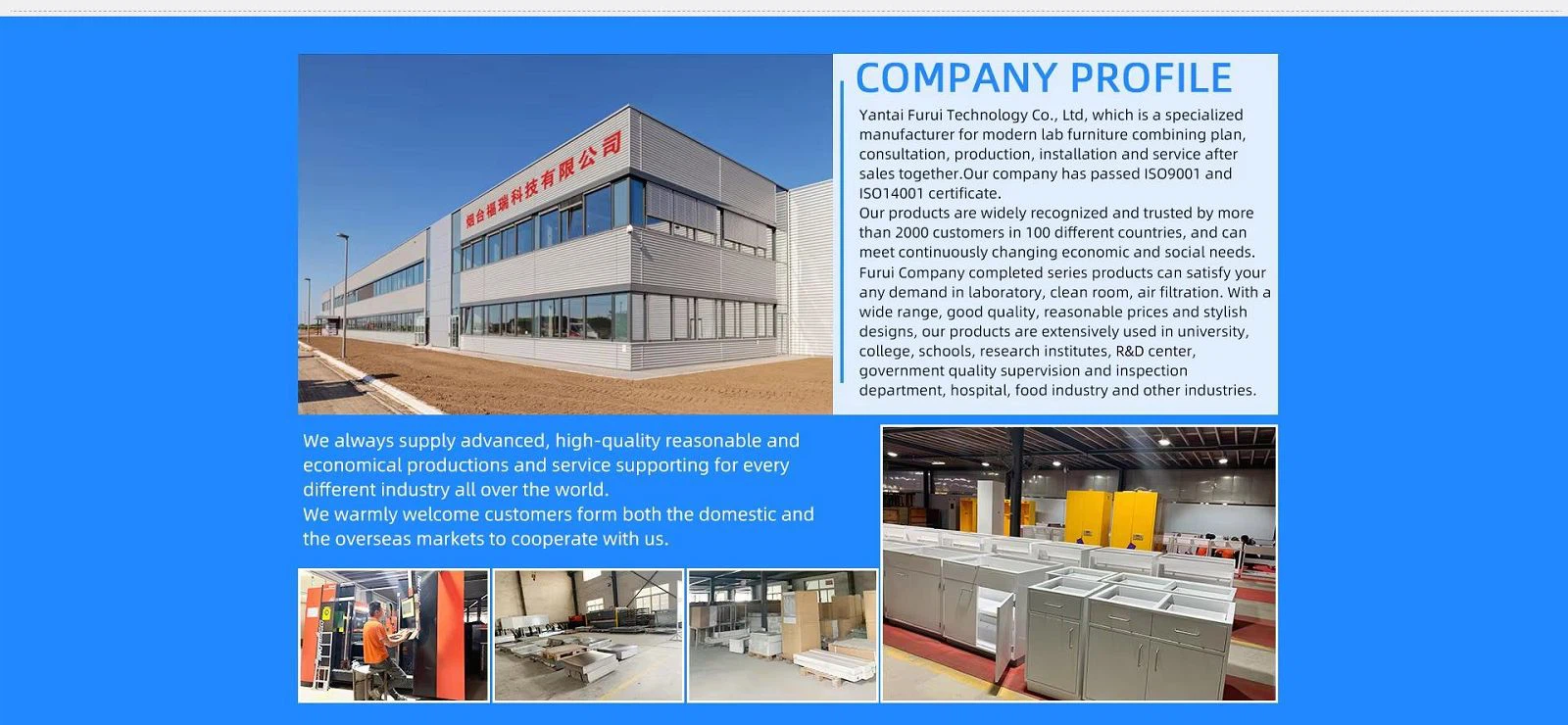

We are in Yantai, China. Up to now, Our products have been exported to more than 30 countries, such as Russia, Kuwait, Mexico, Malaysia, Kazakhstan, India, Philippines, South Korea, South Africa, Indonesia, Thailand etc. So we can provide high service to our clients.
Main Products
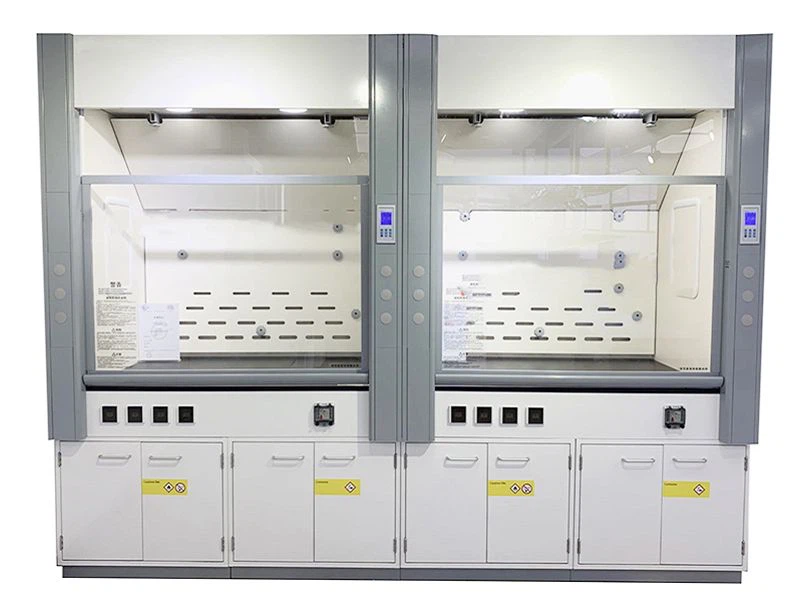
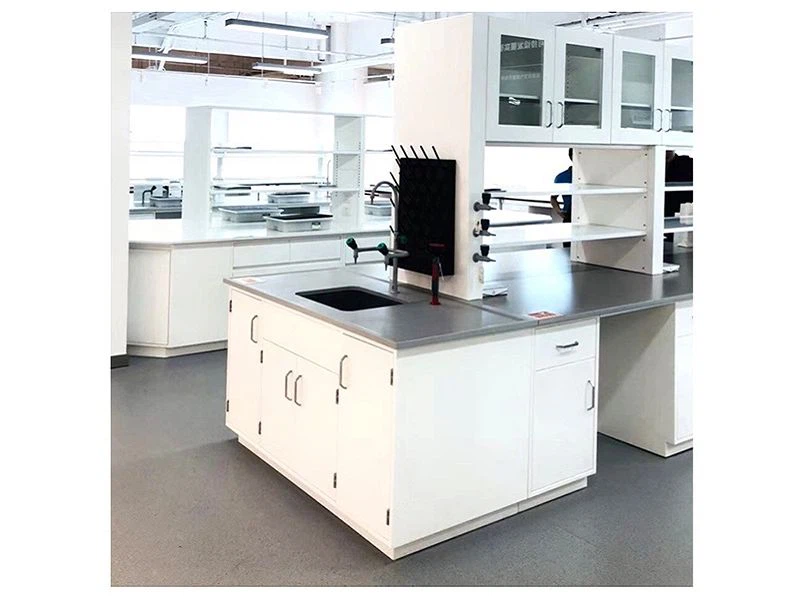
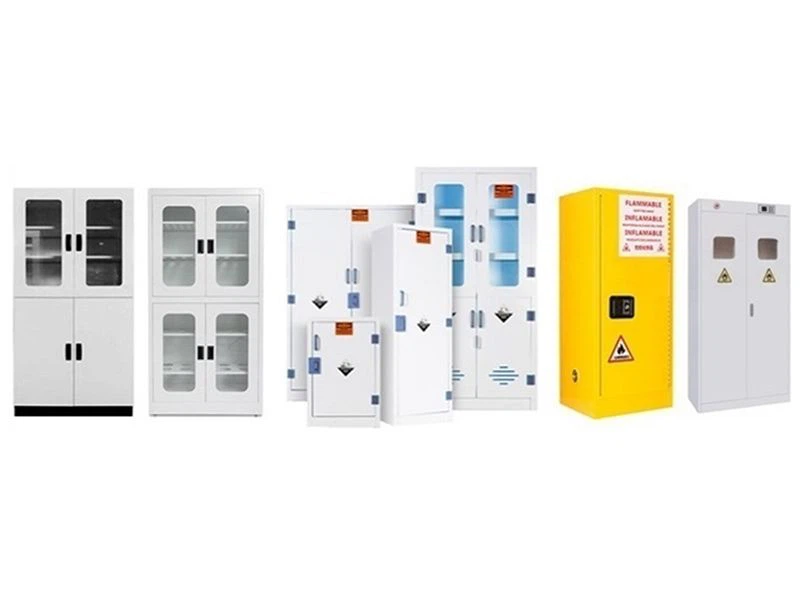
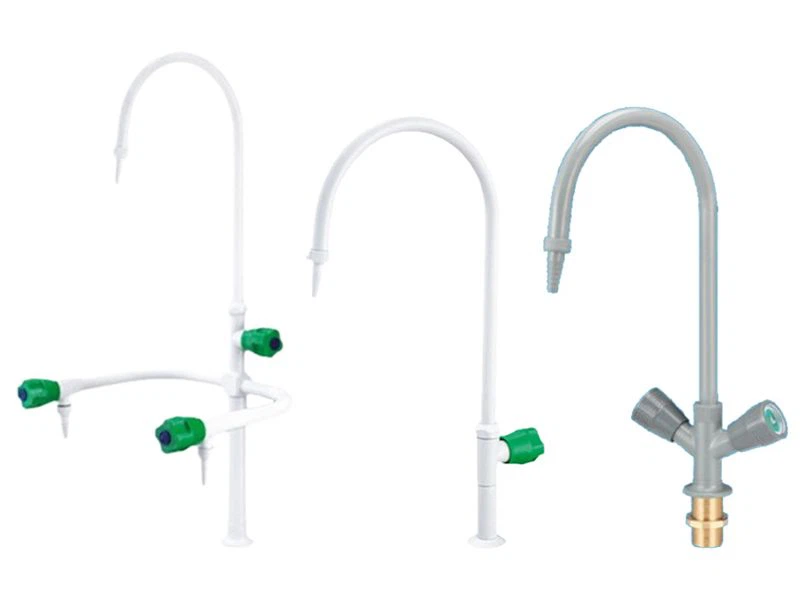
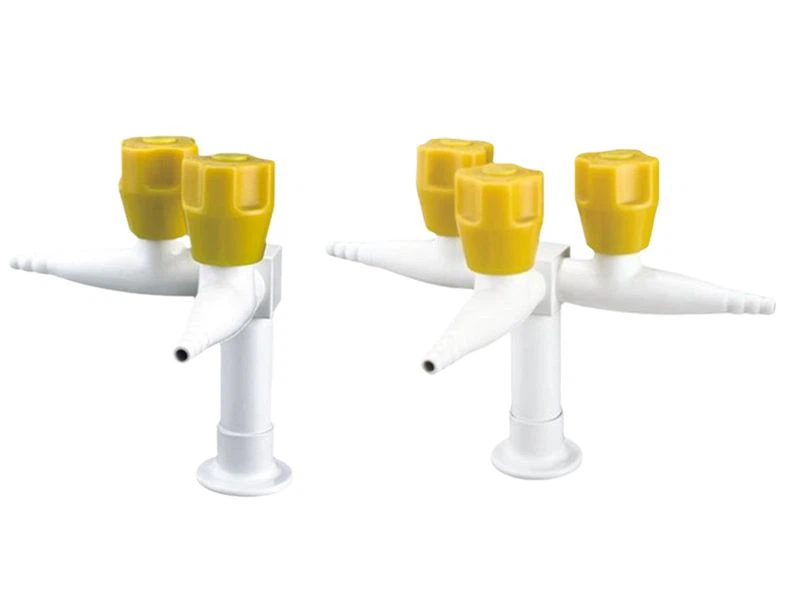
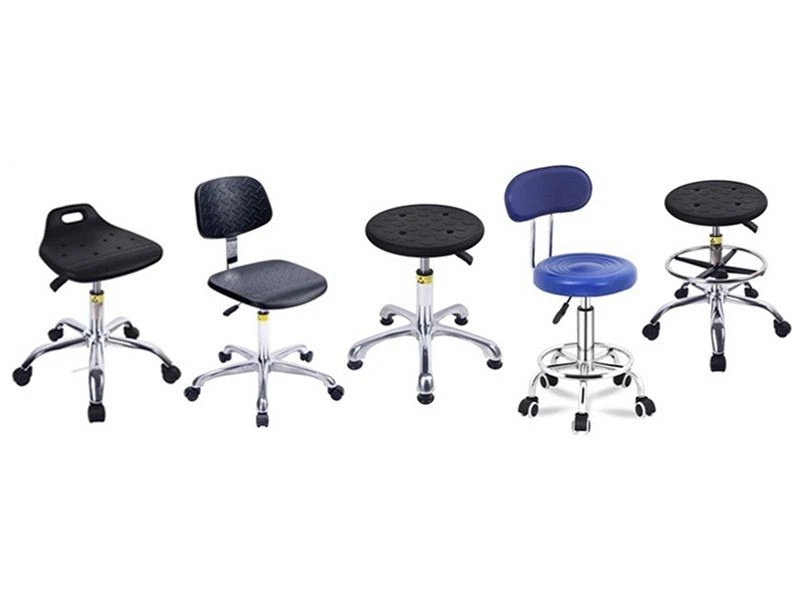
FAQ
Q: Who are we?
A: We are based in Yantai, China, sell to Domestic Market,Mid East,Southeast Asia,South Asia,Western Europe,Eastern Asia,South America etc.
Q: How can we guarantee quality?
A: Always confirm all the details before mass production;
Always final Inspection before shipment;
Q: What can you buy from us?
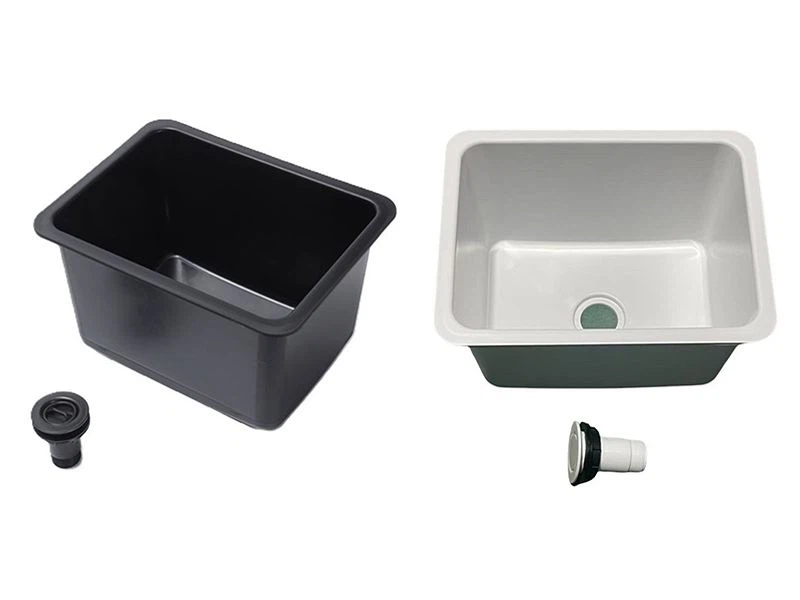
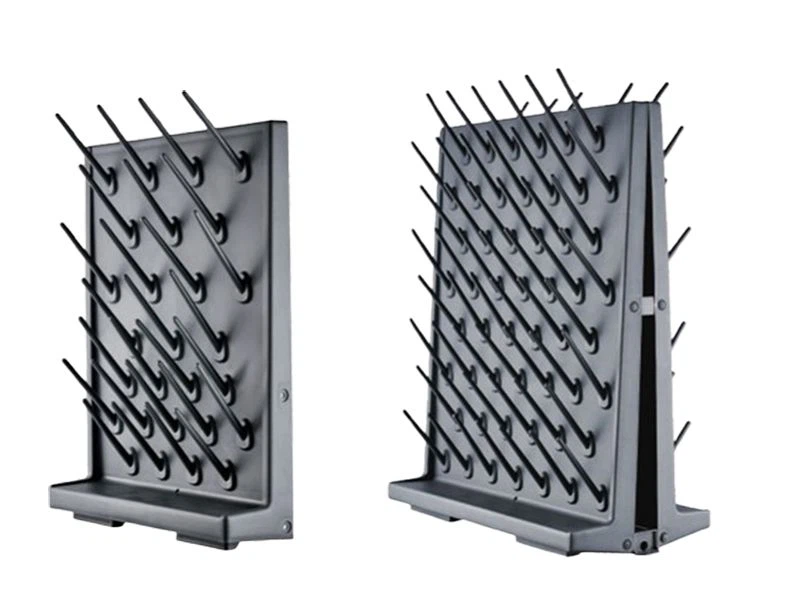
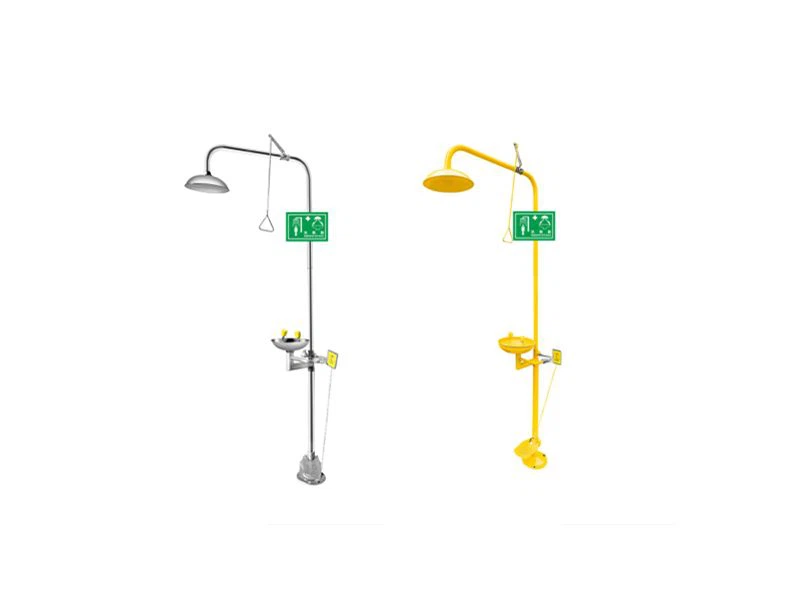
A: Lab Furniture, Fume Hood,Workbench,Lab cabinet etc; Lab Accessories,Faucet,Fume Extaction Arm,Lab Pegboard,Lab Chair,Lab Gas Tap,PP Sink,Eye Wash etc.
Q: Why should you buy from us not from other suppliers?
A: 1.We have our own factory:we can design customerized products and offer factory price;we can do OEM and provide efficient after-sale service.
2.We provide full range of lab fittings:customers can buy all items needed in a time.
Q: What services can we provide?
A: Accepted Delivery Terms: FOB,CFR,CIF,EXW,Express Delivery;
Accepted Payment Currency: USD,EUR,HKD,CNY;
Accepted Payment Type: T/T,L/C,Cash;
Language Spoken:English,Chinese
Hot Tags: ceiling suspension fume extraction arm, China ceiling suspension fume extraction arm manufacturers, suppliers, factory, Ceiling Mounted Fume Extraction Arm, fume extraction arm, Wall Mounted Fume Extraction Arm


