If you've ever worked in a lab where chemical fumes, solvent vapors, or fine dust hang in the air like an unwanted guest, you know how frustrating-and dangerous-it can be. Traditional fume hoods are great for large-scale, enclosed tasks, but they're bulky, immobile, and often overkill for small, everyday work. That's where laboratory fume extraction arms come in. These aren't just fancy hoses; they're targeted, flexible safety tools designed to capture contaminants right at their source, before they spread through the lab or reach your breathing zone. Today, we're diving deep into everything about these game-changing devices-from their design and features to how they stack up against other ventilation options, real-world use cases, and why they're a must-have for any lab that cares about both safety and efficiency.
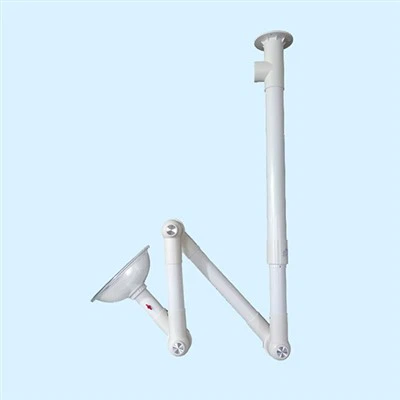
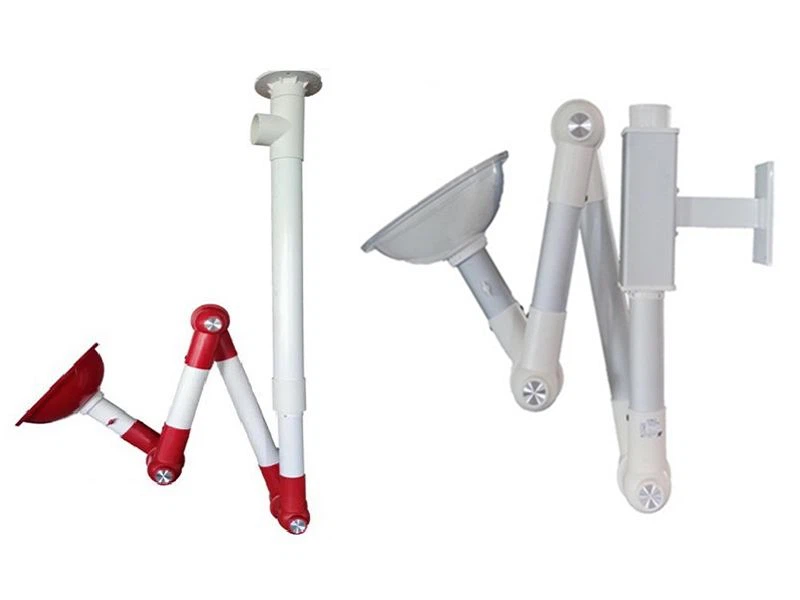
Let's start with the basics: what exactly are laboratory fume extraction arms, and how do they work? At their core, they're articulated, adjustable arms connected to a central ventilation system, with a capture hood at the end that pulls in fumes, vapors, or dust. The ceiling-mounted models you see in the image are some of the most popular options, and for good reason. They hang from the ceiling, out of the way of your workspace, so you don't have to worry about knocking them over or tripping over cords. The arm itself is made up of multiple segments connected by smooth, easy-to-adjust joints, letting you twist, turn, and position the hood exactly where you need it-whether that's over a beaker bubbling with solvent, a hot plate releasing fumes, or a piece of lab equipment kicking up fine particles. Once set, the joints lock into place, so the hood stays put without sagging or drifting, even if you're moving around the workspace. The hood, which comes in different shapes and sizes (the ones here are wide, shallow domes, perfect for covering a broad area), pulls air through the arm and into the ventilation system, where contaminants are filtered out before the air is either recirculated (if using a filtration unit) or exhausted outside. It's a simple, elegant system that solves a huge problem: keeping harmful substances from spreading.
Now, let's break down the features of these laboratory fume extraction arms, because every part of their design is built with lab life in mind. First, the construction material. Most models, like the ones in the image, are made from polypropylene (PP) for the joints and tubing, and sometimes anodized aluminum for the inner tubes. Why polypropylene? Because it's tough, corrosion-resistant, and can stand up to just about any chemical you're likely to use in a lab-from strong acids and bases to common solvents like ethanol or acetone. Unlike metal arms that can rust or degrade over time when exposed to harsh chemicals, polypropylene stays smooth and intact, so you don't have to worry about leaks, cracks, or contamination from corroded parts. The joints are designed with friction locks that let you move the arm with just one hand, which is a huge plus when you're busy handling samples or adjusting equipment. You don't need to fumble with clamps or levers; just nudge the arm where you want it, and it stays there. The ceiling mount itself is sturdy, too, made to support the weight of the arm and the constant movement without wobbling or coming loose. And the hood-those wide, shallow domes-are optimized for airflow, pulling in fumes from a wide area without creating turbulence that could disrupt your experiments or blow samples around. They're also easy to remove and clean, which is essential in a lab where cross-contamination is a big no-no.
Next, let's talk about why these laboratory fume extraction arms are better than other common ventilation options. The biggest competitor here is the traditional fume hood, and while fume hoods are great for certain tasks, they have major limitations that laboratory fume extraction arms solve. For one, fume hoods are big and fixed in place. If you need to work on a bench that's not under the hood, you're out of luck. Even if you do use the hood, you have to move your entire setup inside, which can be a hassle if you're working with large equipment or multiple samples. Laboratory fume extraction arms, on the other hand, are mobile. You can move the hood over any part of your bench, or even across the lab, as long as it's within the arm's reach. They also take up way less space. A fume hood can take up an entire section of a lab bench, but a ceiling-mounted extraction arm hangs above, leaving your workspace completely free. That means more room for your experiments, your equipment, and your team to move around without bumping into things.
Another option people consider is general room ventilation-like ceiling fans or air exchangers. But these are terrible at handling targeted contaminants. They just circulate the air, which means fumes from one end of the lab can spread to every other corner, exposing everyone to them. Even if the air eventually gets filtered, you're breathing in those harmful vapors in the meantime. Laboratory fume extraction arms work at the source, pulling contaminants in before they have a chance to spread. It's like using a vacuum cleaner on a spill right when it happens, instead of mopping the entire room hours later. And they're way more energy-efficient than running a full fume hood all day. Fume hoods use a ton of electricity to move large volumes of air, even when you're only doing a small task. Laboratory fume extraction arms, especially models with adjustable airflow dampers, let you control how much air you're pulling, so you're not wasting energy on tasks that don't need maximum suction.
Then there are smaller, portable extractors-those little units with a hose you set on the bench. They're okay for very small tasks, but they have their own problems. They take up valuable bench space, they can get knocked over easily, and the hoses are often stiff or prone to kinking, which cuts down on airflow. They also don't offer the same range of movement as laboratory fume extraction arms. A ceiling-mounted arm can reach over large equipment or across a wide bench, while a portable hose might only stretch a foot or two. Plus, portable units often have small filters that need to be replaced constantly, adding to maintenance costs and hassle. Laboratory fume extraction arms, when connected to a central ventilation system, use larger, more efficient filters that last longer and handle more volume, so you don't have to stop work every week to swap out a tiny filter.
Now, let's get into the real-world use cases where laboratory fume extraction arms shine. First up, school and university chemistry labs. Think about high school or college labs where students are doing basic experiments with acids, solvents, or volatile compounds. These labs are often crowded, with multiple students working at the same bench. A single fume hood can only hold a few groups, but with laboratory fume extraction arms, every station can have its own dedicated source capture. Students can move the hood over their beakers or test tubes, pull in the fumes, and work safely without having to crowd around a single hood. It also means teachers don't have to worry about students skipping the hood because it's too far away, which is a common safety issue in busy labs.
Then there are research labs and pharmaceutical facilities. In these settings, even small amounts of cross-contamination can ruin experiments or compromise sensitive samples. Laboratory fume extraction arms let researchers pull in vapors from reactions or solvent extractions right at the source, keeping the air around the workbench clean and preventing fumes from other experiments from interfering. For example, if you're working with a volatile organic compound (VOC) that could affect your results if it's present in the air, you can position the extraction hood directly over your setup to capture all the vapors, ensuring your work stays pure. Pharmaceutical labs also use these arms to handle powders and fine particulates, pulling them in before they can spread and contaminate other batches or equipment.
Museum conservation labs are another perfect fit. Conservators work with all kinds of solvents and chemicals to clean and restore artifacts, from paintings to old books. The problem is, many artifacts are large or oddly shaped, so you can't just stick them in a fume hood. A ceiling-mounted laboratory fume extraction arm can be positioned precisely over the area being treated, pulling in harmful vapors without touching the artifact. That way, the conservator stays safe, and the delicate object isn't damaged by being moved or exposed to harsh airflow from a fume hood.
Electronics assembly labs also rely heavily on laboratory fume extraction arms. When soldering circuit boards, the flux used in the process releases fumes that are harmful to inhale. Traditional fume hoods are too big and bulky for the small, precise work of soldering, but an extraction arm can be positioned right over the soldering iron, pulling in the fumes as soon as they're released. It's compact, out of the way, and lets technicians work without breathing in those toxic vapors. Even light industrial settings, like small soldering workshops or jewelry making studios, use these arms to keep workers safe.
Now, let's talk about the benefits that come with using these laboratory fume extraction arms, beyond just safety. First, they boost productivity. When you don't have to waste time moving your setup to a fume hood, or waiting for a hood to become available, you can get more work done. You can adjust the arm in seconds, get back to your experiment, and stay focused on your work instead of worrying about ventilation. They also make the lab a more comfortable place to work. No more lingering chemical smells, no more burning eyes or scratchy throats from solvent fumes, and no more feeling like you're working in a drafty wind tunnel (like you might with a fume hood). The adjustable airflow means you can set the suction to the right level for your task, so you're not blowing your papers or samples around, but still capturing all the harmful vapors.
Maintenance is another big plus. Laboratory fume extraction arms are designed to be easy to take apart and clean. The hoods come off without tools, so you can wipe them down with disinfectant or solvent to remove any residue. The joints are sealed to prevent leaks, so you don't have to worry about air escaping or contaminants building up inside the arm. Since they're made from durable materials like polypropylene, they don't require much upkeep beyond regular cleaning. Compare that to a fume hood, which needs regular inspections, filter changes, and calibration to make sure it's working properly. Extraction arms are low-maintenance workhorses that keep working with minimal fuss.
Let's also address some common misconceptions about laboratory fume extraction arms. Some people think they're not as effective as fume hoods, but that's only true if you use them incorrectly. When positioned correctly-with the hood within 6 to 12 inches of the source of the fumes-they're just as effective at capturing contaminants, if not more so, because they're targeting the source directly. Others worry that they're flimsy or will break easily, but modern models are built to withstand constant use. The polypropylene joints are reinforced, the ceiling mounts are tested for stability, and the friction locks are designed to hold their position for years. They're also resistant to common lab hazards like spills, splashes, and accidental bumps, so you don't have to baby them.
Now, let's circle back to the models in the image to talk about their design specifics. The two arms shown are both ceiling-mounted, but they come in different color options-one all white, one with red accents. The color isn't just for looks; the red accents on the joints make it easier to see where the adjustment points are, so you can quickly find and move the arm without fumbling. The arms have multiple articulated segments, so they can bend in almost any direction, giving you a huge range of motion. The capture hoods are wide and shallow, which is perfect for covering a broad area, like a lab bench with multiple setups, or a large piece of equipment. The ceiling mount has a port on the side for connecting to the central ventilation system, so installation is straightforward-you just attach the arm to the ceiling bracket, connect the ductwork, and you're ready to go. The joints have blue adjustment knobs, which are easy to grip and let you lock the arm in place securely.
Another key feature of these laboratory fume extraction arms is their low noise level. Unlike some portable extractors that sound like a jet engine taking off, these arms are designed to operate quietly, so they don't disrupt the lab environment. The airflow is smooth, with minimal turbulence, so you don't have to raise your voice over the noise or get distracted by a constant hum. That's a big deal in busy labs where communication is important, or in research settings where concentration is key.
Let's also touch on customization. Laboratory fume extraction arms come in different lengths, from short models for small benches to longer ones that can reach across large lab spaces. You can choose different hood shapes, too-from wide domes like the ones in the image to smaller, more focused hoods for tasks like soldering or pipetting. Some models even come with built-in lights, so you can see your work clearly while the hood is positioned over it, or with anti-static features for labs working with sensitive electronics or explosive materials. This means you can find an arm that's tailored exactly to your lab's needs, instead of settling for a one-size-fits-all solution.
At the end of the day, laboratory fume extraction arms are more than just a ventilation accessory-they're a core part of lab safety and efficiency. They solve the biggest problems with traditional ventilation options, offering targeted, flexible, and cost-effective source capture that keeps workers safe, experiments pure, and labs running smoothly. Whether you're in a high school chemistry lab, a pharmaceutical research facility, or a museum conservation studio, these arms adapt to your work, not the other way around. They're easy to use, easy to maintain, and built to last, making them a smart investment for any lab that wants to prioritize safety without sacrificing productivity.
So, if you're tired of fighting over fume hoods, dealing with lingering chemical smells, or worrying about exposure to harmful vapors, it's time to consider adding laboratory fume extraction arms to your workspace. They're the simple, effective solution that turns a potentially dangerous lab environment into a safe, comfortable, and productive place to work.
Features
- This celing mounted fume extraction arm has the function of 360 degree rotation to adjust the direction, and the maximum active radius can reach 1500mm with the fixed frame as the center.
- It has the function of controlling the flow of incoming air.
- The fixed distance between the bottom surface of the fixing frame and the decoration is 950mm.
- The ceiling mounted fume extraction arm is easy to disassemble, reassemble and clean.
The Material Of Parts
1.Joints: high density PP material, 360 degree rotation to adjust the direction.
2.joint sealing ring: the use of high-density material production of non-aging corrosion resistance, installed in two joints, play the role of rotation and sealing.
3.The suction hood link pipe is made of PP material.
4.The support spring is made of high strength spring steel.
5.The joint connecting rod is made of stainless steel.
6.joint tightness knob: high-density PP material, embedded copper nut and joint connecting rod lock.
7.Air flow control valve: air flow control twist and wind shield are made of high-density PP material, connected with a square rod, manually adjust the external valve knob to control the air volume.


Product Specification
|
Joints |
high-density PP polypropylene material, can be 360 ° rotation adjustment direction, easy to disassemble, reorganization and cleaning |
|
Joint ring |
non-aging high-density rubber |
|
Joint connecting rod |
304 stainless steel connecting rod, with a standard design within the card can be locked together with the joint |
|
Joint elastic knob |
high-density PP material, embedded stainless steel bearings, and the joint rod lock |
|
Air flow control valve |
With the design of circular adapter, for manual adjustment, through the external valve knob, adjust the valve angle, to control the incoming air flow |
|
Gathering hood |
PP white / red / transparent |
|
Telescopic catheter |
¢ 50mm, 75mm, 80mm, 90mm, 110mm and Customized ; |
|
Joint color |
white / red |
|
Cover size |
380mm |
|
Interface size |
90 / 110mm |
|
Unique 360 ° rotation device |
The maximum movable radius of the fixed frame can reach 1600MM |


Main Functions
Directional exhaust: By adjusting the position of the hood opening, it directly captures harmful substances generated in the experimental operation area.
Flexibility: The universal design can cover multiple work points, suitable for small-scale experiments or temporary operations.
Auxiliary protection: Reduces the diffusion of toxic gases in the laboratory and is used in conjunction with the overall ventilation system.
Advantages
• Flexible movement, adaptable to various experimental scenarios.
• Lower cost, suitable for laboratories with limited budgets.

Application
Chemical experiments: Such as the operation of volatile reagents (acids, organic solvents).
Biological experiments: Handling aerosols produced during cell culture, microbiological experiments.
Teaching or small laboratories: Occasions with limited space or frequent need for ventilation adjustments.


We are in Yantai, China. Up to now, Our products have been exported to more than 30 countries, such as Russia, Kuwait, Mexico, Malaysia, Kazakhstan, India, Philippines, South Korea, South Africa, Indonesia, Thailand etc. So we can provide high service to our clients.
Main Products

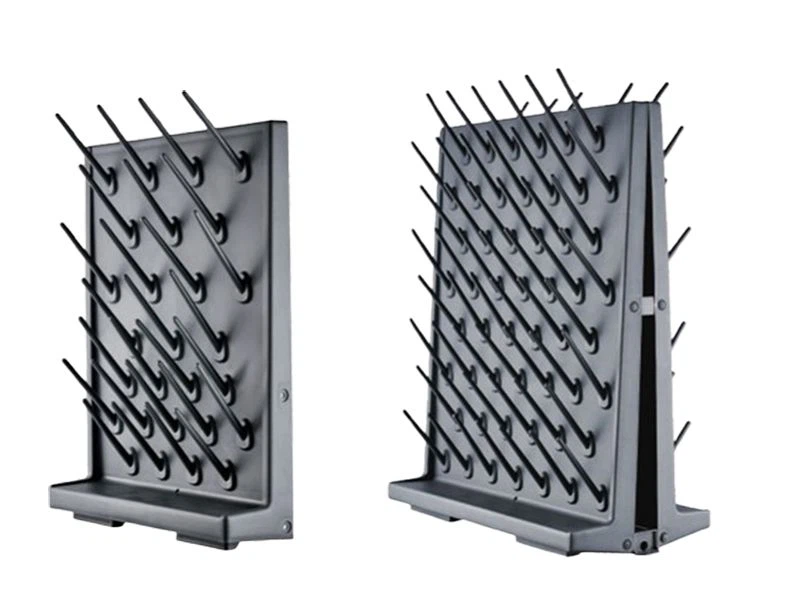
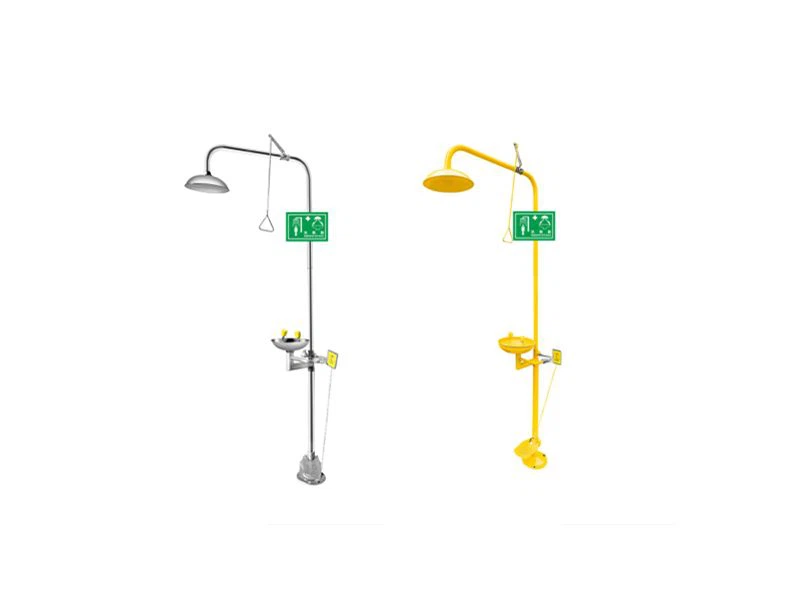
FAQ
Q: Who are we?
A: We are based in Yantai, China, sell to Domestic Market,Mid East,Southeast Asia,South Asia,Western Europe,Eastern Asia,South America etc.
Q: How can we guarantee quality?
A: Always confirm all the details before mass production;
Always final Inspection before shipment;
Q: What can you buy from us?
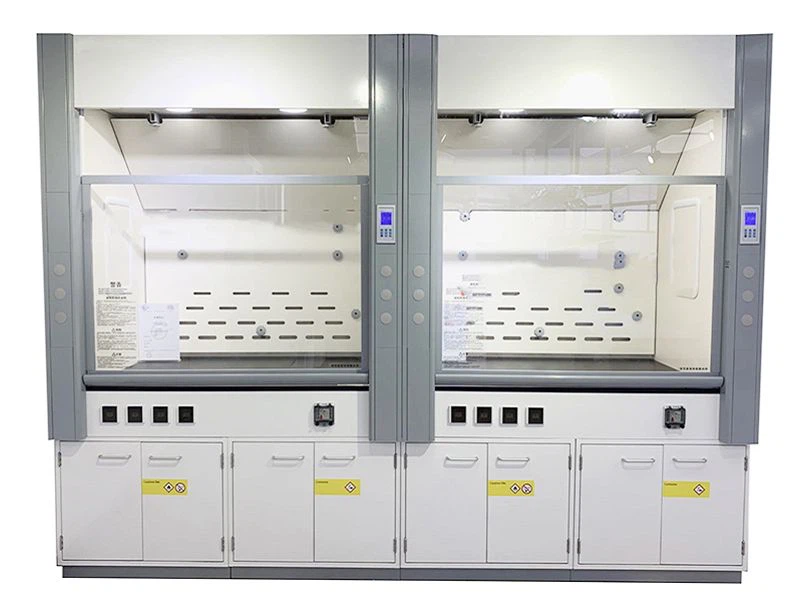
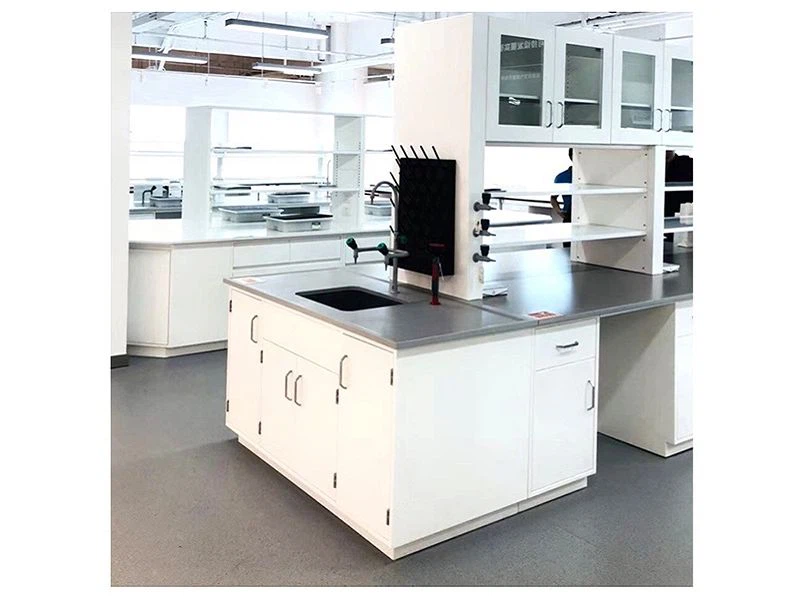
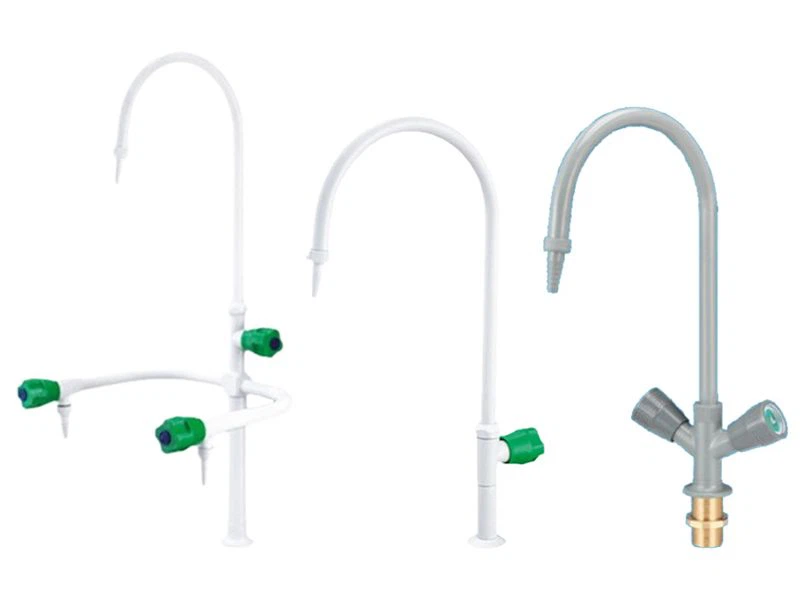
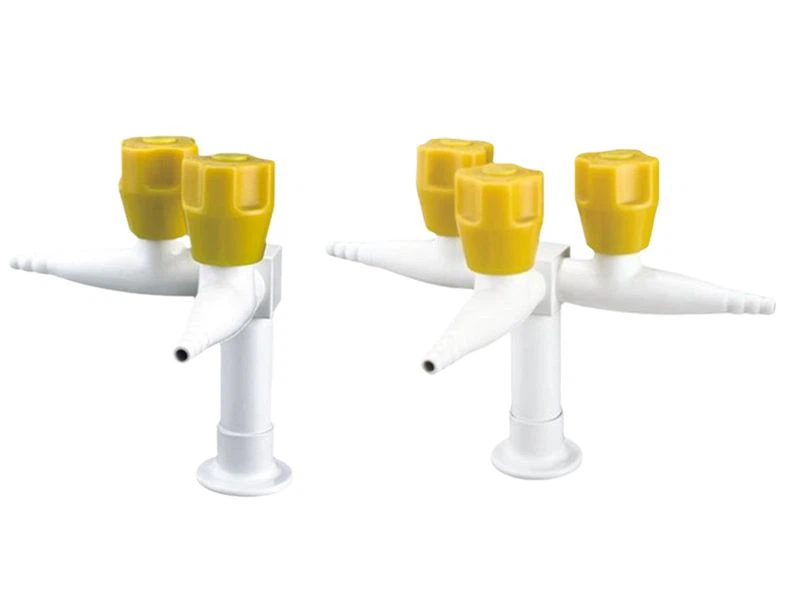
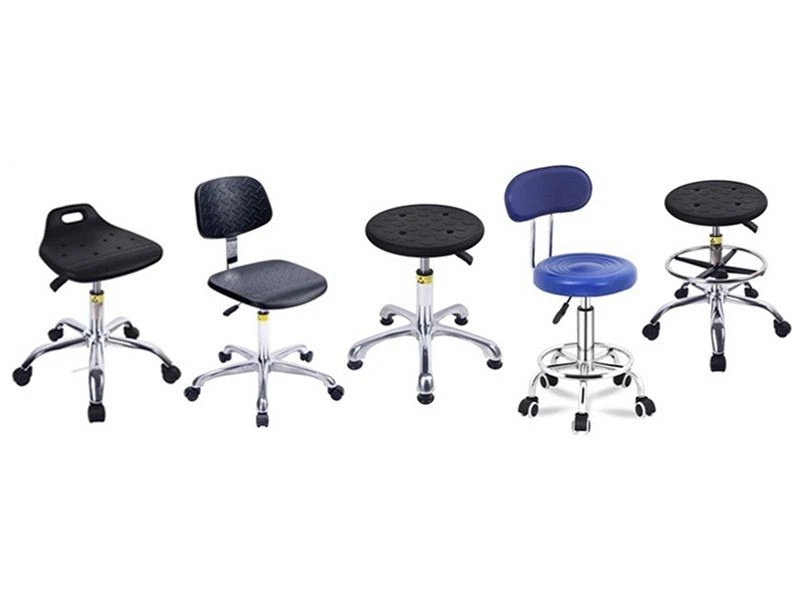
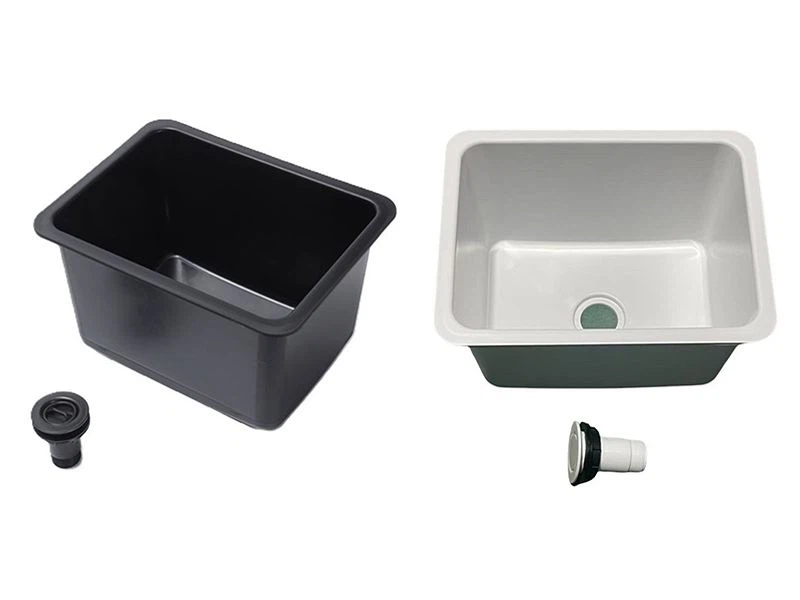
A: Lab Furniture, Fume Hood,Workbench,Lab cabinet etc; Lab Accessories,Faucet,Fume Extaction Arm,Lab Pegboard,Lab Chair,Lab Gas Tap,PP Sink,Eye Wash etc.
Q: Why should you buy from us not from other suppliers?
A: 1.We have our own factory:we can design customerized products and offer factory price;we can do OEM and provide efficient after-sale service.
2.We provide full range of lab fittings:customers can buy all items needed in a time.
Q: What services can we provide?
A: Accepted Delivery Terms: FOB,CFR,CIF,EXW,Express Delivery;
Accepted Payment Currency: USD,EUR,HKD,CNY;
Accepted Payment Type: T/T,L/C,Cash;
Language Spoken:English,Chinese
Hot Tags: laboratory fume extraction arms, China laboratory fume extraction arms manufacturers, suppliers, factory, Ceiling Mounted Fume Extraction Arm, Wall Mounted Fume Extraction Arm, fume extraction arm