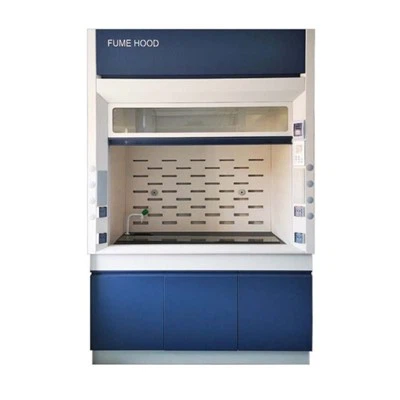
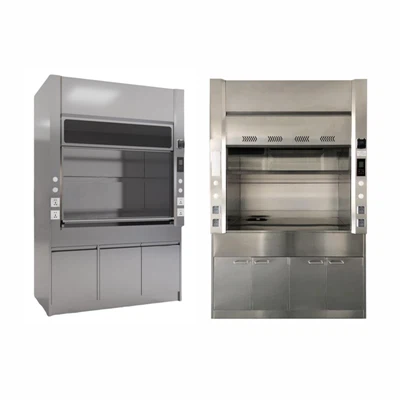
The laboratory walk in fume hoods are specialized, floor-to-ceiling enclosed ventilation systems designed to address the limitations of standard benchtop fume hoods, providing an expansive, safe workspace for handling hazardous chemicals, large-scale experiments, and bulky equipment that cannot be accommodated by conventional models. Unlike traditional fume hoods that are mounted on lab benches and require users to reach in from the outside, laboratory walk in fume hoods extend from the floor to the ceiling, offering unobstructed, full-height access to the interior, allowing operators to walk into the unit for setup, monitoring, and maintenance, or to roll heavy equipment directly into the workspace without the need for lifting or hoisting. The unit in the provided image, featuring a tall, freestanding structure with three large tempered glass doors, integrated control panels, and ventilation grilles at the top and bottom, exemplifies the core design of laboratory walk in fume hoods, balancing spaciousness, visibility, and safety in a compact yet functional footprint tailored for demanding laboratory environments.
At the heart of laboratory walk in fume hoods lies their unparalleled capacity and flexibility, which sets them apart from standard benchtop and ducted fume hoods. A typical benchtop fume hood offers approximately 1.2 meters of vertical clearance, limiting its use to small apparatus and routine experiments, while laboratory walk in fume hoods provide vertical clearances of 2.2 meters or more, with internal volumes ranging from 2 cubic meters to over 10 cubic meters depending on the model. This expanded space allows users to accommodate tall distillation columns, large-scale synthesis reactors, bulk solvent storage drums, and even mobile processing skids that would otherwise be impossible to fit into smaller hoods. The multi-door configuration seen in the image further enhances this flexibility: the central double doors and side single door allow partial or full access to the interior, enabling users to load equipment through one door while operating through another, or to split the workspace for parallel experiments without cross-contamination. This adaptability is critical for pilot-scale pharmaceutical synthesis, where large reaction vessels and multi-step processes require continuous monitoring and adjustment, or for industrial chemical labs handling bulk quantities of volatile solvents, where the ability to move materials in and out efficiently is essential.
Safety is the cornerstone of laboratory walk in fume hoods, and their design incorporates multiple layers of protection to mitigate the risks associated with hazardous chemical exposure. The primary safety feature is the advanced ventilation system, engineered to maintain a consistent inward airflow velocity of 0.3–0.8 m/s across the entire opening, preventing toxic fumes, vapors, and particulate matter from escaping into the laboratory environment. Unlike standard hoods, which may experience uneven airflow at the edges or corners due to their smaller size, laboratory walk in fume hoods utilize a three-section baffle system at the rear and bottom ventilation grilles to optimize air distribution, ensuring uniform containment even when the interior is filled with large equipment. The top ventilation grilles in the image are part of this system, working in tandem with the exhaust duct to draw contaminated air out of the hood and into the building's ventilation system, or through optional filters in ductless configurations. The tempered glass doors, meanwhile, serve as a physical barrier against splashes, spills, and accidental explosions, while still providing clear visibility of the interior workspace. These doors are typically equipped with safety interlocks that prevent the hood from operating when the doors are fully open, and many models feature emergency shut-off controls on the side panels, as seen in the image, allowing users to quickly disable the system in case of a hazard.
Durability and chemical resistance are key advantages of laboratory walk in fume hoods, making them suitable for long-term use in harsh laboratory conditions. The exterior frame, constructed from high-quality cold-rolled steel, undergoes a multi-step treatment process including rust removal, phosphating, and electrostatic powder coating with epoxy resin, resulting in a smooth, scratch-resistant surface that withstands frequent cleaning and exposure to corrosive chemicals. The interior, meanwhile, is lined with a chemical-resistant material, such as polypropylene or epoxy resin, which resists degradation from acids, alkalis, and organic solvents, preventing leaks and ensuring the structural integrity of the hood over years of use. This durability is particularly important in industrial chemical labs and pharmaceutical manufacturing facilities, where hoods are subjected to constant use and exposure to a wide range of aggressive substances. In contrast, standard benchtop hoods, which often have thinner frames and less robust linings, may degrade more quickly under similar conditions, leading to higher maintenance costs and shorter service lives.
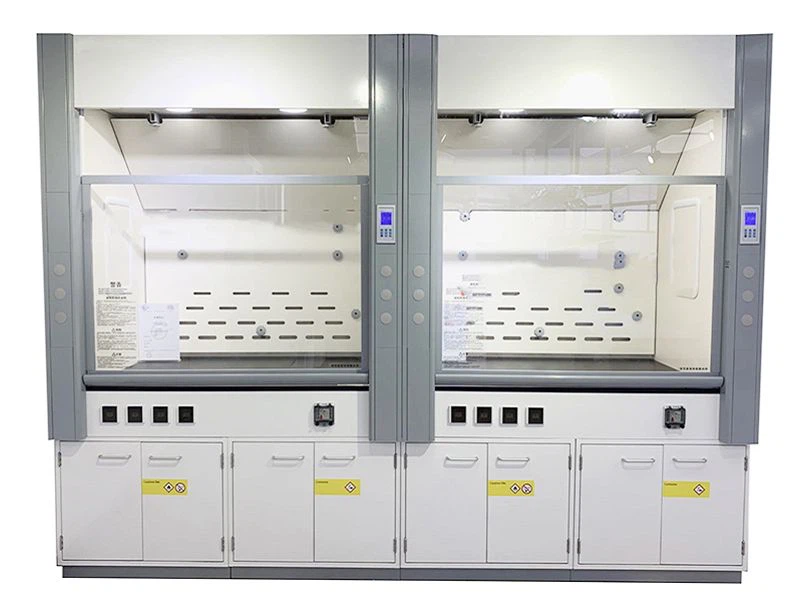
The user-centric design of laboratory walk in fume hoods addresses many practical challenges faced by lab technicians and researchers. The integrated control panel, visible on the right side of the unit in the image, features a digital display that shows airflow velocity, temperature, and filter status, allowing users to monitor the hood's performance in real time. The panel also includes controls for the exhaust fan, LED lighting, and optional accessories such as gas taps and water valves, which are typically mounted on the side panels for easy access. The built-in electrical sockets, also visible on the lower side panels, eliminate the need for extension cords inside the hood, reducing the risk of electrical hazards and clutter. The LED lighting system, installed at the top of the interior, provides bright, shadow-free illumination of the workspace, even when the hood is filled with equipment, ensuring that users can see their experiments clearly without relying on external lighting. The low-profile ventilation grilles at the bottom of the doors prevent blockages from spills or debris, maintaining consistent airflow even during messy experiments, while the raised sills around the interior contain spills, preventing them from spreading into the lab.
In terms of applications, laboratory walk in fume hoods are indispensable in several key industries and research settings. In pharmaceutical research and manufacturing, they are used for large-scale drug synthesis, where the production of clinical trial batches requires handling multi-liter reaction vessels and volatile solvents under controlled conditions. In chemical manufacturing plants, they are employed for the safe handling of bulk quantities of hazardous chemicals, including acids, bases, and organic compounds, as well as for the storage of solvent drums and the preparation of large-scale reactions. University and research labs use them for complex group experiments, such as environmental sample preparation, where multiple samples need to be processed simultaneously, or for the assembly and testing of large analytical instruments that require ventilation during operation. Industrial labs also rely on laboratory walk in fume hoods for pilot-scale distillation processes, where tall columns and high-volume vapor production demand a hood with sufficient space and airflow capacity to contain and exhaust fumes effectively.
Comparing laboratory walk in fume hoods to other types of fume hoods highlights their unique advantages for specific use cases. Standard benchtop fume hoods, while ideal for routine small-scale experiments, lack the vertical and horizontal space needed for large equipment, making them unsuitable for pilot-scale processes or bulk material handling. Ductless fume hoods, which rely on filters to clean air before recirculating it back into the lab, are limited by filter capacity and cannot handle high volumes of toxic or corrosive fumes, whereas laboratory walk in fume hoods, especially ducted models, can exhaust large quantities of contaminated air directly outside, making them suitable for continuous use with hazardous substances. Portable fume hoods, which are lightweight and mobile, are designed for temporary or small-scale use and do not offer the same level of containment or durability as laboratory walk in fume hoods, which are built for permanent installation and heavy-duty use. Even compared to other large-scale hoods, such as walk-in clean rooms or enclosed workstations, laboratory walk in fume hoods offer a more cost-effective and space-efficient solution, combining the containment capabilities of a clean room with the ventilation performance of a fume hood in a single unit.
While laboratory walk in fume hoods offer numerous benefits, their design requires careful consideration of several factors to ensure optimal performance. The ventilation system, for example, must be properly sized to handle the increased volume of the hood, with larger exhaust fans and ductwork to maintain the required airflow velocity. The location of the hood within the lab is also important, as it should be placed away from doors, windows, and other sources of cross-drafts that can disrupt airflow and compromise containment. Regular maintenance, including filter replacement, airflow testing, and cleaning of the interior and ventilation grilles, is essential to keep the hood operating safely and efficiently, as blockages or worn filters can reduce airflow and increase the risk of fume exposure. Despite these considerations, the long-term benefits of laboratory walk in fume hoods, including enhanced safety, increased flexibility, and reduced risk of equipment damage from corrosive chemicals, far outweigh the initial investment and maintenance costs for labs that require large-scale, high-hazard ventilation solutions.
In conclusion, laboratory walk in fume hoods represent a critical advancement in laboratory ventilation technology, offering a combination of spaciousness, safety, and durability that is unmatched by standard fume hood designs. The unit shown in the image, with its multi-door configuration, integrated controls, and robust construction, exemplifies the key features of laboratory walk in fume hoods, making it a versatile solution for a wide range of applications in pharmaceutical, chemical, and research labs. As laboratories continue to scale up their operations and handle increasingly hazardous materials, the demand for laboratory walk in fume hoods will only grow, as they provide the necessary protection and flexibility to support safe, efficient work in even the most challenging environments. Whether used for large-scale synthesis, bulk material handling, or complex experiments, laboratory walk in fume hoods are an essential investment for any lab that prioritizes safety, efficiency, and adaptability in its ventilation systems.
Material...
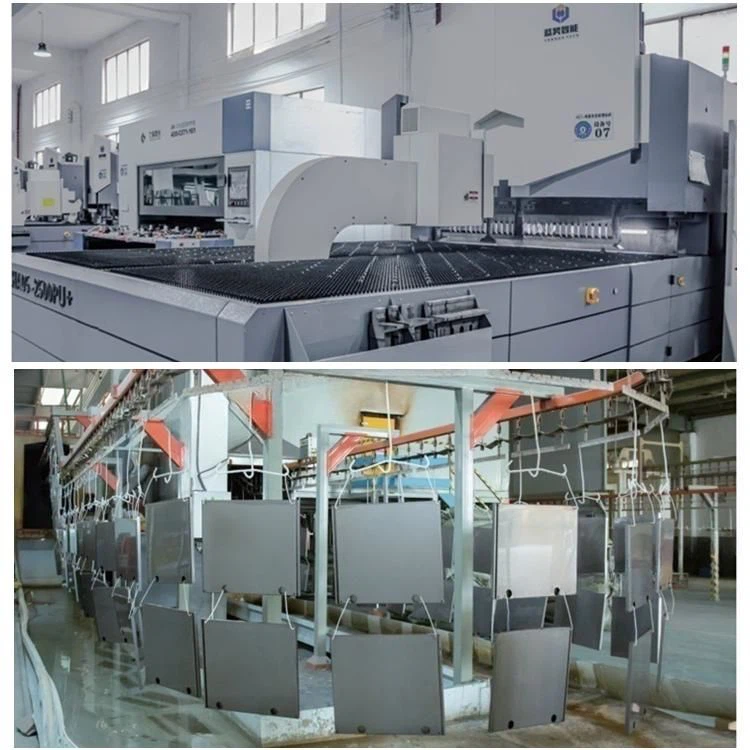
The left and right side panels of the main body, the front steel plate, the back plate, the top plate, and the lower cabinet body can be made of 1.0 - 1.2mm thick steel plates. They will be cut and bent using a German imported 2000W fully automatic CNC laser cutting machine. The surface will be automatically sprayed with epoxy resin powder by an automated electrostatic line and then undergo high-temperature curing.
The inner lining board and the guide plate of the Stainless fume hood use 5mm thick core anti-betong board, which has good anti-corrosion and chemical resistance. The fixing parts of the guide plate are made of high-quality PP material and are integrated into one piece.
The PP clamping strips on both sides of the movable window glass are wrapped, the handle is made of PP and integrated into one piece, and it is embedded with 5mm tempered glass. The door opening height is 700mm, it can freely lift and lower, the sliding device of the sliding door uses a synchronous belt wheel structure, with no limit and can stay at any position. The guiding device of the sliding door is made of anti-corrosion polyvinyl chloride material.
The fixed window frame is made of steel plate and sprayed with epoxy resin. 5mm thick tempered glass is embedded inside the frame.
The countertop of the stainless fume hoood uses (domestic) solid core physical board (12.7mm thick) which is resistant to acid and alkali, impact-resistant, corrosion-resistant, and has a formaldehyde content reaching the E1 standard.
All internal connection devices in the connection part need to be hidden and anti-corrosive. There are no exposed screws. The external connection devices are all anti-corrosive stainless steel components and non-metallic materials.
The exhaust outlet uses an integrated air collection hood with the top plate. The outlet diameter is 250mm with a round hole, and it is connected by a sleeve to reduce gas turbulence.

Product Specification
|
Product Size: |
1200*850*2350, 1500*850*2350, 1800*850*2350 |
|
Cabinet Body: |
1.0mm thick cold-rolled steel plate. |
|
Inner Liner: |
5mm Antistatic Board |
|
Electrical Circuit: |
LCD control panel, LED lights, 10A splash-proof sockets. |
|
Baffle: |
5mm Antistatic Board |
|
Sliding Door: |
5mm Tempered Glass |
|
Structure: |
Disassemblable & synchronous belt wheels |
|
Standard Color: |
Off-white + Blue-gray matte finish |
|
Interior: |
Ceramic fiber/anti-bet board (optional). |
|
Countertop: |
Ceramic/epoxy/physical-chemical board(optional). |
|
Lighting: |
High-brightness LED. |
|
Extras: |
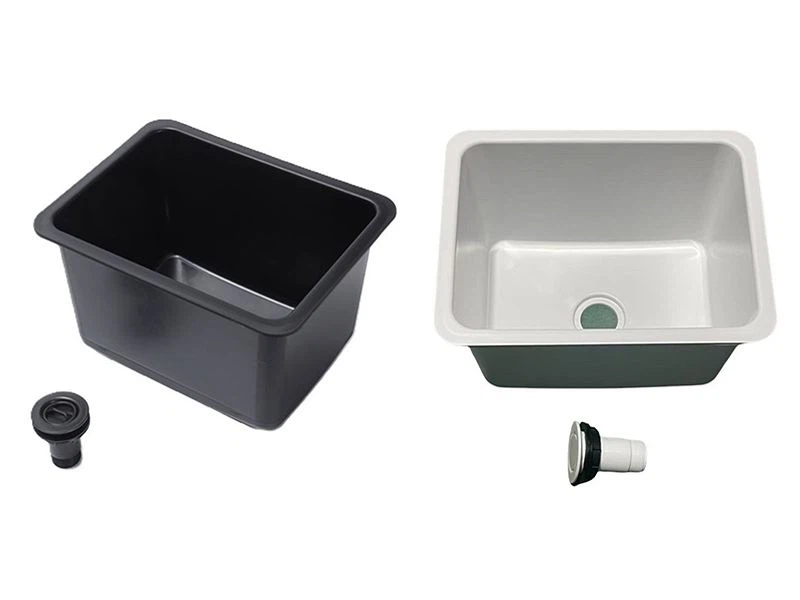
VAV system, air/water taps with flow valves, PP sink. |


Accessories...
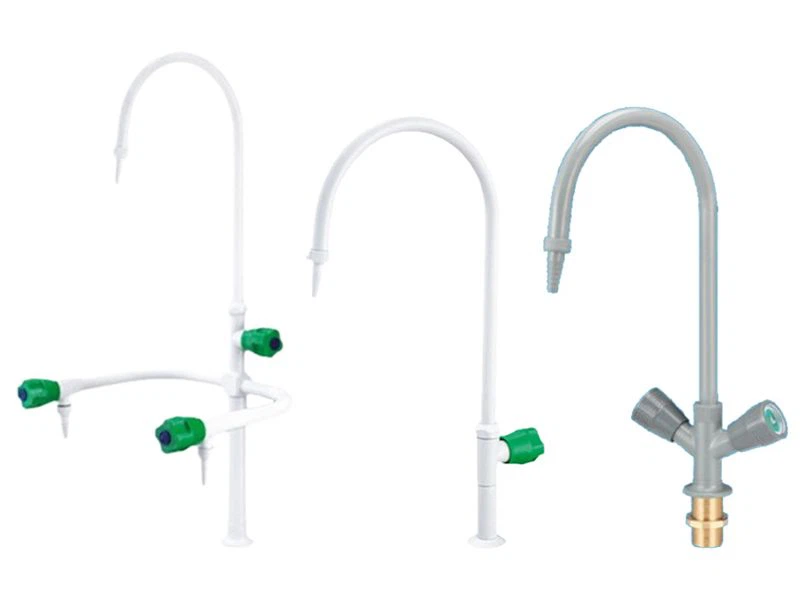
The waterway is equipped with imported one-time molded PP small cup slots, resistant to acids and alkalis, and corrosion-resistant. A single water faucet is made of brass and installed on the countertop of the ventilation cabinet (water is an optional item. The default is a single water faucet on the tabletop. Other water options can be chosen as per requirements).
The circuit control panel uses a liquid crystal display panel (it can be set to freely adjust the speed, can adapt to most similar products on the market, and supports 6-second quick opening of the electric damper). There are 8 buttons: power, settings, confirm, lighting, backup, fan, damper + - keys.
The lighting LED white light is of quick start type and is installed on the top of the ventilation cabinet, with a long service life.
The socket is equipped with four 10A 220V five-hole multi-functional sockets. The wiring uses 2.5 square copper core wires.
The lower cabinet door hinges use "DTC brand" 110-degree straight-bending hinges, with a long service life and convenient disassembly and assembly.
Other lower cabinet inner back plates are reserved for maintenance windows, facilitating fault repair. Each left and right side panel is reserved 4 holes for convenient installation of valves and other facilities.
Application

Advantages
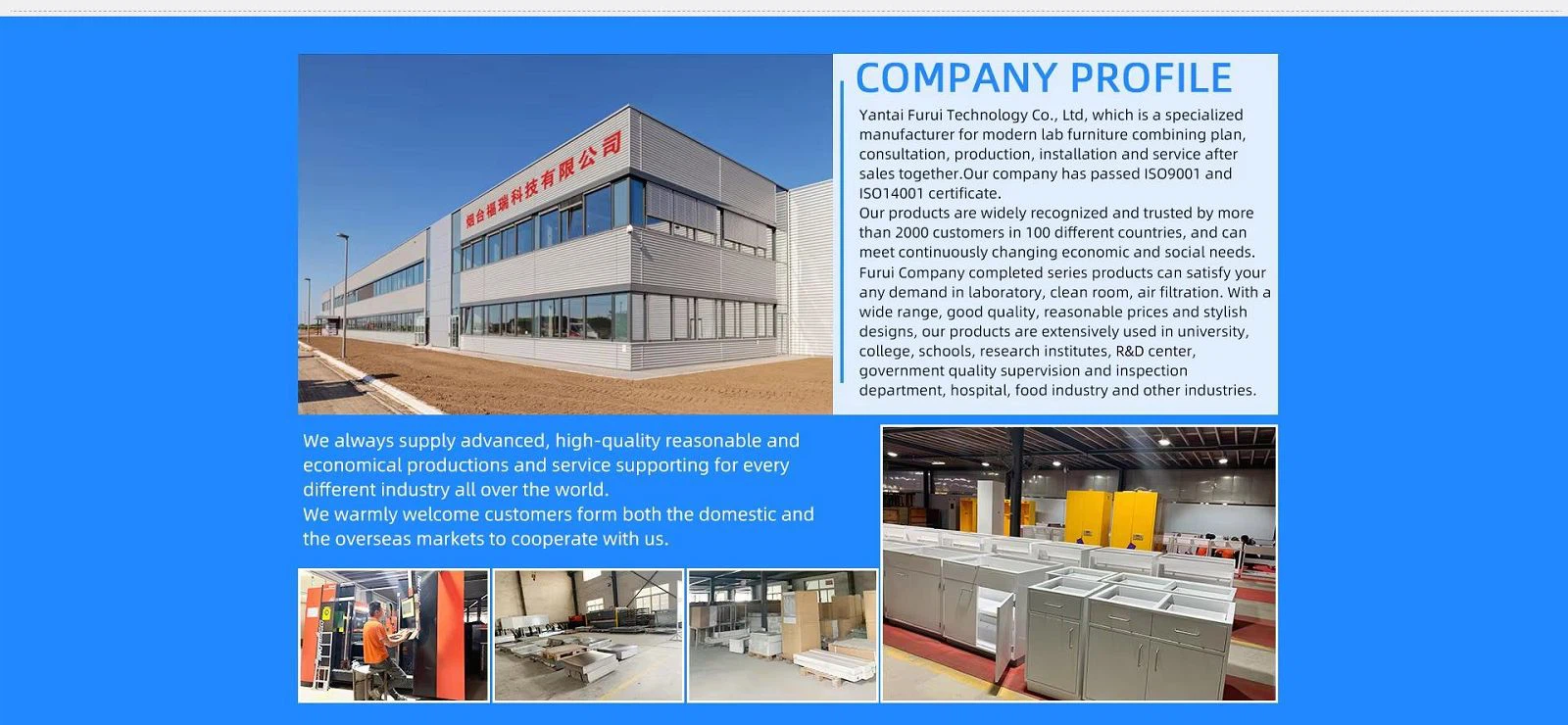

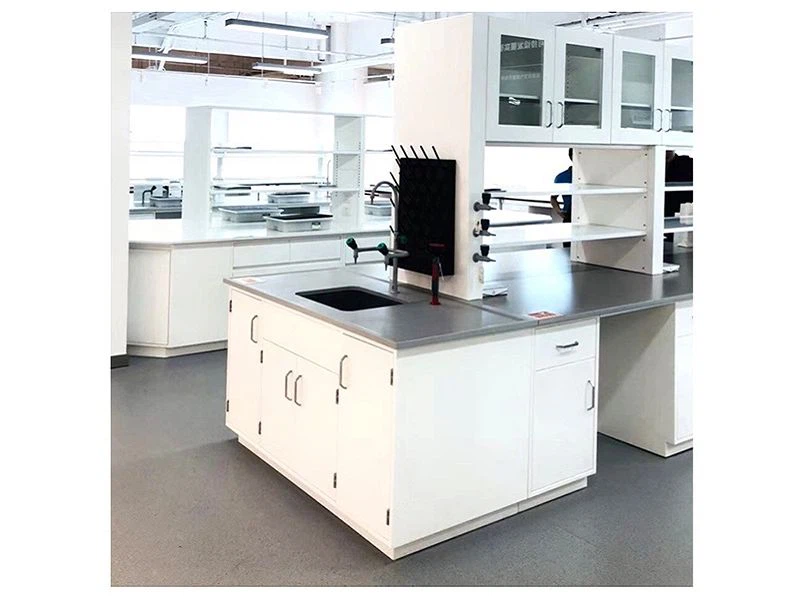
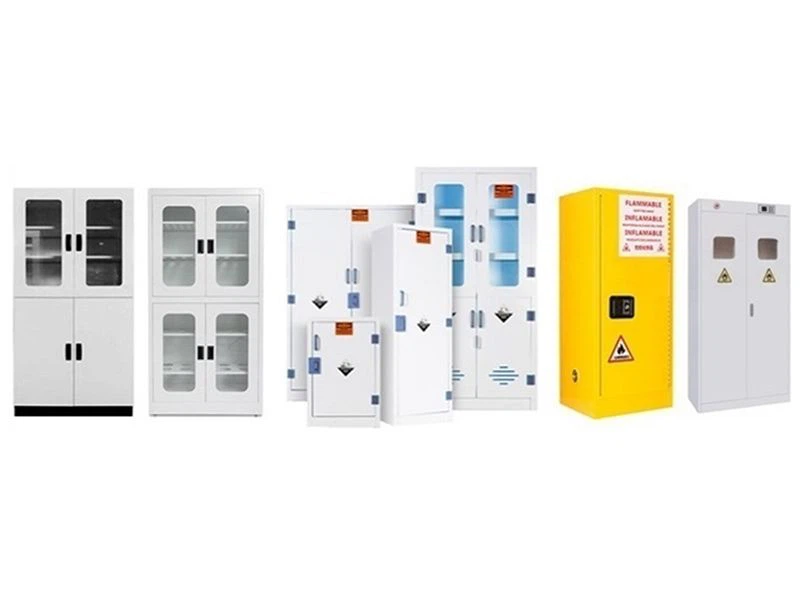
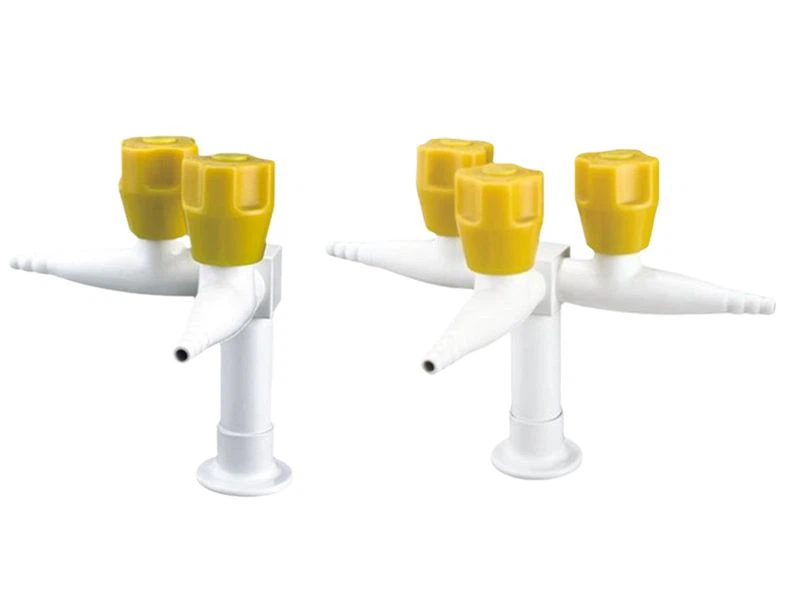
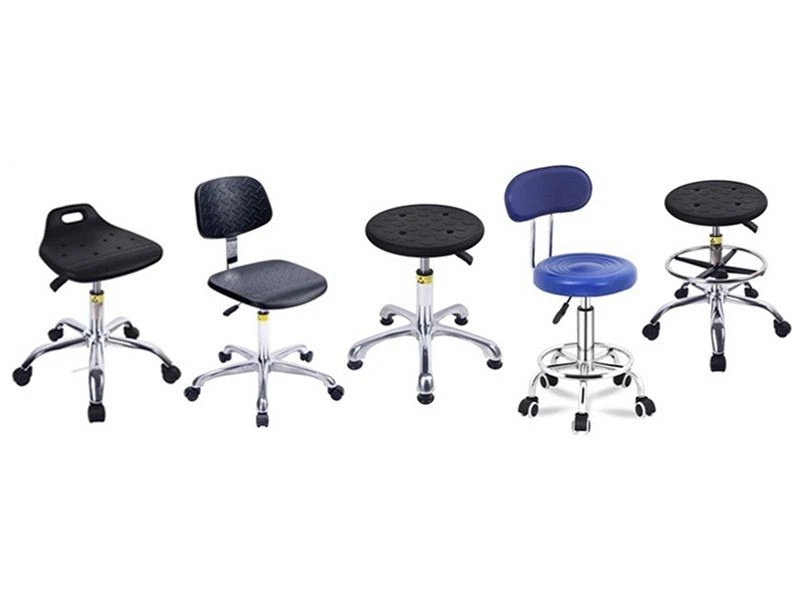
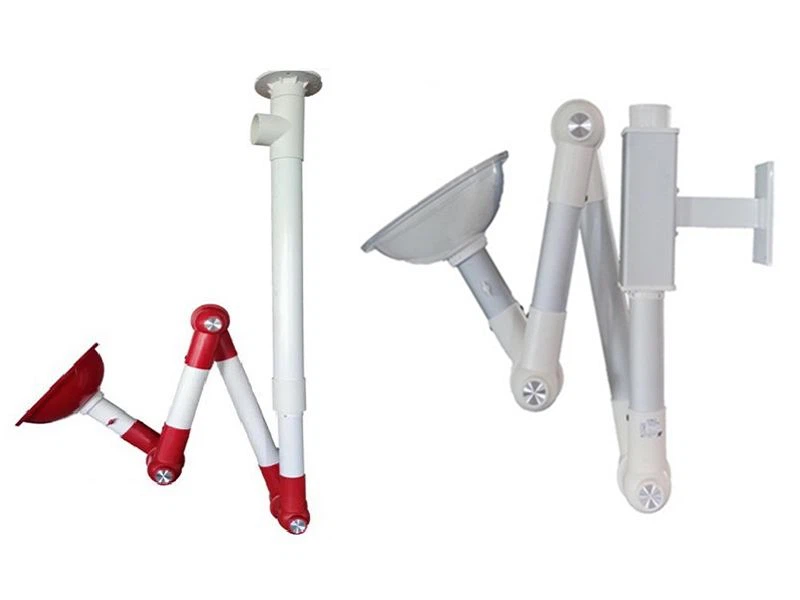
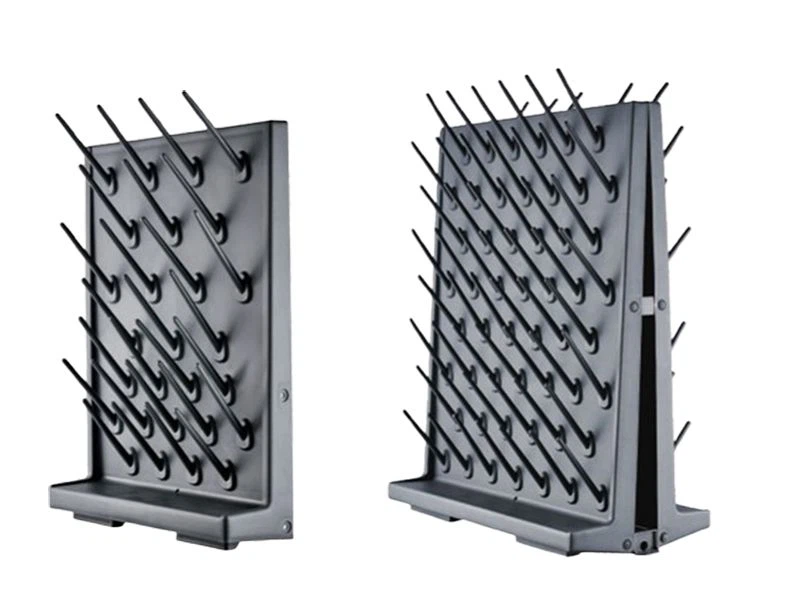
We are in Yantai, China. Our main productions include Lab Furniture, Fume Hood,Workbench,Lab cabinet etc; Lab Accessories, Faucet, Fume Extaction Arm, Lab Pegboard, Lab Chair, Lab Gas Tap, PP Sink, Eye Wash etc. Up to now, Our products have been exported to more than 30 countries, such as Russia, Kuwait, Mexico, Malaysia, Kazakhstan, India, Philippines, South Korea, South Africa, Indonesia, Thailand etc. So we can provide high service to our clients.
Main Products
Details Images

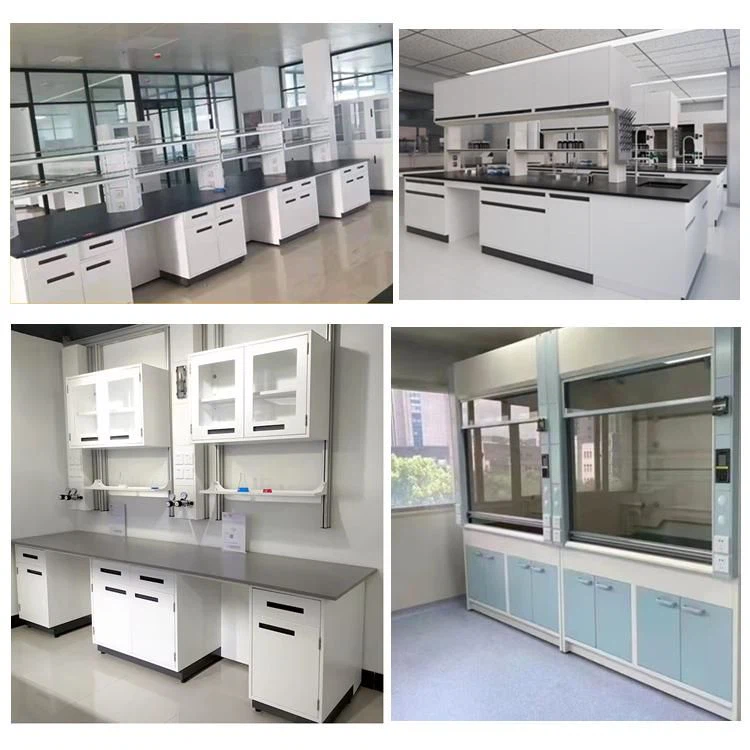
Engineering Cases
Factory Equipment

FAQ
Q: Can I request to advance the shipment?
A: It should be depends on whether there is sufficient inventory in our warehouse.
Q: Are there any special requirements for OEM purchases?
A: Yes, we require proof of trademark registration in order to print or emboss your trademark onto the product or packaging.
Q: What is your advantage compared with your competitors?
A: (1). Qualified Manufacturer
(2). Reliable Quality Control
(3). Competitive Price
(4). High Efficiency working (24*7hours)
(5). One-Stop Service
Q: Can you provide drawings and technical data?
A: Yes, our professional technical department will design and provide drawings and techical data.
Q: Can the products be manufactuered by customer's requirement?
A: Yes, the specifications stated above are the standard ones, we can design and manufacture as requirement.
Hot Tags: laboratory walk in fume hoods, China laboratory walk in fume hoods manufacturers, suppliers, factory, Stainless Steel Fume Hood, desktop fume hood, Stainless Fume Hood, Pp Fume Hood