In the complex and high-risk environment of modern chemical laboratories, where toxic gases, corrosive fumes, and volatile organic compounds are constantly generated during experiments, safety is never an afterthought-it is the foundation of every operation. A chemical lab fume hood stands as the first and most critical line of defense, protecting researchers from exposure to hazardous airborne contaminants while maintaining a controlled workspace. Without a properly functioning chemical lab fume hood, even routine procedures like mixing acids, heating solvents, or handling volatile reagents can escalate into life-threatening incidents, from acute chemical burns to long-term respiratory damage. As the cornerstone of laboratory safety infrastructure, the chemical lab fume hood is not merely a piece of equipment but a silent guardian that enables scientific innovation to proceed without compromise.
Product Overview & Structural Design
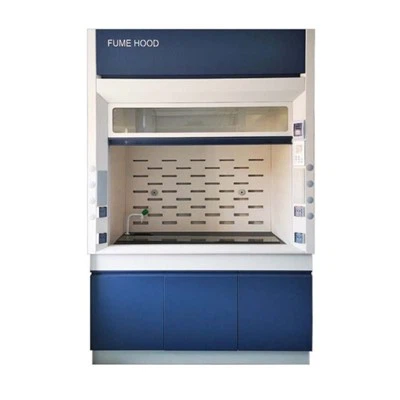
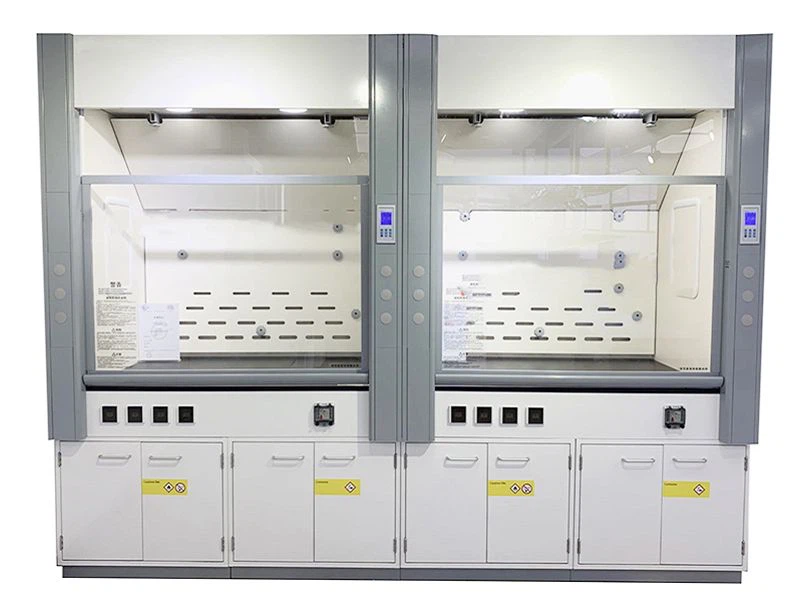
The chemical lab fume hood featured in the image is a robust, all-polypropylene (PP) constructed unit, purpose-built for the harshest chemical laboratory environments. Unlike conventional metal-based fume hoods that degrade rapidly under corrosive conditions, this model is engineered with 100% virgin PP material throughout, from the main chamber to the internal baffles and storage cabinets. The bright, uniform white finish is not just aesthetically clean-it reflects the inherent chemical inertness of PP, ensuring the unit resists discoloration, staining, and degradation even when exposed to concentrated acids, alkalis, and aggressive solvents.
The unit's design is divided into three core functional zones: the upper exhaust plenum, the central work chamber, and the lower storage cabinet. The upper plenum houses the duct connection and exhaust system, with evenly spaced vent slots designed to optimize airflow distribution. This ensures uniform air capture across the entire work opening, preventing dead zones where hazardous fumes could escape into the laboratory. The central work chamber is the heart of the chemical lab fume hood, featuring a large, transparent sash-typically made of tempered glass or clear PP-that slides vertically to adjust the opening height. The sash is counterbalanced for smooth, effortless movement, allowing users to set the ideal opening size for their procedure while maintaining optimal containment performance.
Inside the work chamber, the back wall is lined with a series of precisely engineered baffles and vents. These baffles are not just structural elements; they are the key to the chemical lab fume hood's exceptional performance. By directing airflow in a controlled, laminar pattern, they prevent turbulence that could cause fumes to spill out when the sash is opened or when users move their arms inside. The work surface itself is a seamless, one-piece PP basin with rounded corners, eliminating crevices where corrosive liquids could pool and cause damage. The basin is designed with a slight slope toward a central drain, ensuring any spills or splashes flow directly to the sink or waste line, simplifying cleanup and preventing prolonged exposure of the unit to corrosive materials.
Below the work chamber, the integrated storage cabinet provides secure, enclosed space for storing chemicals, glassware, or personal protective equipment (PPE). The cabinet doors are fitted with heavy-duty PP hinges and latches, and reinforced with blue polypropylene corner brackets that not only add structural rigidity but also serve as visual indicators of the unit's durable construction. The cabinet's interior is fully lined with the same corrosion-resistant PP material, ensuring even stored items are protected from accidental spills or chemical vapors.
Control elements are strategically placed on the side panels, within easy reach of the user while keeping the work surface unobstructed. These include switches for lighting, blowers, and optional accessories like water or gas outlets, as well as safety indicators that monitor airflow and alert users to any drop in containment efficiency. The unit's base is reinforced to support the weight of heavy equipment, ensuring stability even during intense experiments or when the sash is operated vigorously.
Core Advantages: Built for Safety, Durability, and Performance
1. Unmatched Chemical Resistance for Corrosive Environments
The defining advantage of this chemical lab fume hood lies in its full polypropylene construction, a feature that sets it apart from traditional metal or composite models. PP is inherently resistant to a vast range of corrosive chemicals, including concentrated hydrochloric acid, sulfuric acid, nitric acid, sodium hydroxide, and even aqua regia. Unlike steel or aluminum, which corrode rapidly when exposed to these substances-leading to rust, structural failure, and potential leaks-PP remains chemically inert, with no risk of degradation, pitting, or weakening over time.
This resistance is particularly critical in laboratories that handle high concentrations of acids or alkalis, such as analytical chemistry labs, metal plating facilities, or environmental testing labs. In these settings, even minor spills or continuous exposure to fumes would quickly destroy a standard metal fume hood, requiring frequent repairs or replacement. The PP construction of this chemical lab fume hood eliminates this risk entirely, ensuring the unit maintains its structural integrity and containment performance for decades. The seamless, one-piece design also prevents the formation of hidden corrosion sites at welds or joints, a common failure point in metal fume hoods.
2. Precision Airflow Engineering for Superior Containment
At the heart of every effective chemical lab fume hood is its ability to capture and contain hazardous fumes, and this model excels in this area through advanced airflow design. The internal baffles and vent slots are engineered to create a laminar airflow pattern, drawing contaminated air into the hood at a consistent velocity across the entire work opening. This prevents the formation of turbulent eddies, which are the primary cause of fume escape when users move their arms or adjust equipment inside the hood.
The sash design further enhances containment by acting as a physical barrier. When closed, it provides maximum protection, but even when partially open, the counterbalanced sash maintains a tight seal around the work opening, minimizing the escape of vapors. The unit's exhaust system is calibrated to maintain the optimal face velocity-typically between 0.3 and 0.5 meters per second-ensuring that air flows into the hood at a rate that captures fumes without causing excessive turbulence. Unlike poorly designed fume hoods that either pull too hard (creating dangerous air currents) or too weakly (allowing fumes to escape), this chemical lab fume hood strikes the perfect balance between safety and efficiency.
3. Ergonomic Design for User Comfort and Safety
Safety in the laboratory extends beyond containment-it also includes the physical comfort and ease of use of the equipment. This chemical lab fume hood is designed with the user in mind, featuring a spacious work chamber that accommodates large equipment like hot plates, centrifuges, or glass distillation setups without feeling cramped. The large, clear sash provides an unobstructed view of the work area, allowing users to monitor reactions closely while maintaining a safe distance from hazards.
The control elements are positioned at a comfortable height, eliminating the need for users to reach over hot equipment or lean into the hood to adjust settings. The integrated storage cabinet keeps essential items within easy reach, reducing the need for users to leave the hood's protective zone during experiments. The smooth, seamless PP work surface is easy to clean and disinfect, with no sharp edges or corners that could catch on clothing or cause injury. The counterbalanced sash requires minimal force to operate, reducing the risk of repetitive strain injuries during frequent use.
4. Low Maintenance and Long-Term Durability
Unlike metal fume hoods that require regular painting, rust treatment, or sealant replacement, this PP chemical lab fume hood is virtually maintenance-free. The non-porous PP surface resists staining and is easily wiped clean with standard laboratory disinfectants, eliminating the need for harsh cleaning agents that could damage the unit. The internal baffles and vents are designed to prevent the buildup of dust or debris, ensuring consistent airflow performance over time.
The unit's robust construction also means it can withstand the wear and tear of daily laboratory use, including accidental impacts from glassware or equipment. The reinforced corners and heavy-duty hinges ensure the storage cabinet doors open and close smoothly for years, with no risk of warping or sagging. Unlike composite fume hoods that delaminate or crack under repeated thermal stress, PP maintains its structural integrity even when exposed to temperature fluctuations, making it suitable for use in both heated and refrigerated laboratory environments.
5. Versatile Configuration for Diverse Laboratory Needs
This chemical lab fume hood is highly adaptable, with optional features that can be customized to meet the specific needs of different laboratory settings. For labs that handle water-based reactions, the unit can be fitted with integrated water faucets and drains, allowing users to perform rinsing or distillation procedures without leaving the hood. Gas taps can be added for experiments requiring inert gases like nitrogen or argon, eliminating the need for external gas lines that could create safety hazards.
The lighting system, housed in the upper plenum, provides bright, shadow-free illumination of the work area, with options for LED or fluorescent lighting depending on user preference. For labs with limited floor space, compact or benchtop versions of the chemical lab fume hood are available, offering the same performance in a smaller footprint. The unit can also be configured with a ductless filtration system, eliminating the need for external venting and making it suitable for use in temporary labs or facilities where ductwork is not available.
Key Use Cases: Where the Chemical Lab Fume Hood Shines
The chemical lab fume hood is a versatile piece of equipment, essential in any laboratory where hazardous chemicals are used. Its full PP construction makes it particularly well-suited for the following applications:
In academic and research laboratories, where students and researchers handle a wide range of chemicals-from volatile organic solvents to corrosive acids-the chemical lab fume hood provides a safe environment for experiments like synthesis, extraction, and titration. The unit's ability to contain fumes protects users from exposure to toxic vapors, while its durable construction withstands the occasional spills and splashes common in educational settings.
In pharmaceutical and biotech labs, where strict hygiene and safety standards are paramount, the PP chemical lab fume hood offers a non-contaminating, easy-to-clean workspace for handling reagents, solvents, and biological samples. The unit's seamless design prevents the buildup of bacteria or residues, making it suitable for use in cleanroom environments or for experiments involving sensitive cultures.
In environmental testing labs, where samples are often treated with strong acids or digested at high temperatures, the chemical lab fume hood's corrosion resistance is invaluable. It safely contains fumes from digestion procedures, protecting users from exposure to toxic metals or volatile organic compounds released during sample preparation.
In industrial quality control labs, where large volumes of corrosive chemicals are used for cleaning, etching, or testing, the chemical lab fume hood provides a durable, long-lasting solution. Its resistance to repeated exposure to acids and alkalis ensures consistent performance, even in high-volume, round-the-clock operations.
In metal plating and electroplating facilities, where cyanide solutions and strong acids are used, the chemical lab fume hood is a critical safety measure. It contains toxic fumes from plating baths, protecting workers from exposure to cyanide gas and other harmful substances, while its PP construction resists the corrosive effects of plating solutions.
Comparative Advantage: Why This Chemical Lab Fume Hood Stands Out
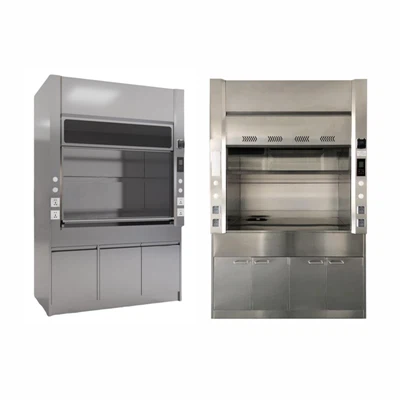
When evaluating different types of fume hoods, the chemical lab fume hood offers distinct advantages over other models, particularly in corrosive environments. Compared to metal fume hoods, which are typically made of steel or stainless steel, the PP construction of this unit provides far superior resistance to acids and alkalis. Stainless steel, while durable, is still susceptible to corrosion from certain chemicals, especially when exposed to high concentrations or elevated temperatures. Over time, this corrosion can compromise the unit's structural integrity and containment performance, requiring costly repairs or replacement. In contrast, the PP chemical lab fume hood remains unaffected by even the most corrosive substances, ensuring long-term reliability.
Compared to composite fume hoods, which are made of layered materials like fiberglass-reinforced plastic (FRP), the PP unit offers better chemical resistance and easier maintenance. FRP fume hoods can delaminate or crack when exposed to certain solvents, and their porous surfaces can absorb chemicals, leading to permanent staining and contamination. The non-porous PP surface of this chemical lab fume hood repels chemicals, preventing absorption and making cleanup as simple as a quick wipe with a disinfectant.
In terms of performance, the chemical lab fume hood outperforms many budget models with its precision airflow design. Cheap fume hoods often lack the internal baffles and vent slots needed to create laminar airflow, resulting in poor containment and the risk of fume escape. This unit's carefully engineered airflow system ensures consistent face velocity across the entire work opening, providing reliable protection even during high-risk procedures.
The ergonomic design of the chemical lab fume hood also sets it apart from older, less user-friendly models. Many traditional fume hoods have fixed sashes or clunky controls that make operation cumbersome, increasing the risk of accidents. The counterbalanced sash and strategically placed controls on this unit make it easy to use, reducing user fatigue and minimizing the risk of errors during experiments.
Maintenance and Safety Best Practices
To ensure the chemical lab fume hood continues to provide reliable protection, regular maintenance and proper usage are essential. Users should always check the airflow indicator before using the hood to confirm it is operating at the correct velocity. The sash should be kept at the lowest practical height during use to maximize containment, and users should avoid blocking the rear baffles with equipment, as this can disrupt airflow.
Regular cleaning is important to prevent the buildup of chemicals or debris in the work chamber. The PP surface can be wiped down with a mild detergent or laboratory disinfectant, taking care to avoid harsh abrasives that could scratch the material. The drain and sink should be checked periodically to ensure they are clear of clogs, and any spills should be cleaned up immediately to prevent prolonged exposure of the unit to corrosive liquids.
The exhaust system should be inspected annually by a qualified technician to ensure it is functioning properly. This includes checking the blower, ductwork, and filters (if applicable) to ensure airflow is not restricted. Users should also be trained in proper fume hood usage, including how to set the sash height, position equipment inside the hood, and respond to emergencies like spills or power outages.
In conclusion, the chemical lab fume hood is more than just a piece of laboratory equipment-it is a critical investment in the safety and well-being of laboratory personnel. Its durable PP construction, precision airflow design, and user-friendly features make it the ideal choice for any laboratory where hazardous chemicals are handled. Whether used in academic research, pharmaceutical development, or industrial quality control, the chemical lab fume hood provides the reliable protection needed to enable scientific progress without compromising safety. As laboratories continue to evolve and face new challenges, the chemical lab fume hood remains an indispensable tool, ensuring that researchers can pursue innovation with confidence, knowing they are protected by the best possible safety equipment.
Features
The cabinet assembly structure of the pp fume hood adopts "U-shaped, T-shaped, and V-shaped" folded edge welding reinforcement structure, with a stable physical structure. It can withstand a maximum load of 400KG.
This is much higher than that of other similar brand products and has excellent resistance to strong acids and alkalis. The lower cabinet body is made by welding 8mm thick PP polypropylene plates, which has extremely strong resistance to acid and alkali and corrosion resistance. The door panel is uniformly made of folded edge structure, which is sturdy and solid, not prone to deformation, and overall looks elegant and decent.

Product Specification
|
Size: |
1200/1500/1800*850*2350 |
|
Cabinet Body Main structure: |
5-8mm thick high-quality pure PP (polypropylene) sheet |
|
Inner lining board: |
5mm thick high-quality pure PP (polypropylene) sheet |
|
Circuit: |
LCD control panel |
|
Deflector plate: |
5mm thick high-quality pure PP (polypropylene) sheet |
|
Sliding door: |
5mm tempered glass |
|
Structure: |
Disassemblable + synchronous belt pulley |
|
Color: |
Cabinet body: porcelain white, hinges and handles: porcelain white |
|
Air exhaust volume: |
1200: 1036 m³/h; 1500: 1360.8 m³/h; 1800: 1684.8 m³/h |


Application

Advantages
All internal connection of the pp fume hood devices of the connection part need to be hidden and corrosion-resistant. There are no exposed screws. The external connection devices are all chemical corrosion-resistant stainless steel components and non-metallic materials.
The exhaust outlet uses a PP material collecting hood. The outlet diameter is 250mm with a round hole, and it is connected by a sleeve to reduce gas turbulence.
The countertop uses (domestic) solid physical board (12.7mm thick) which is impact-resistant, corrosion-resistant, and has a formaldehyde level reaching E1 standard or uses 8mm thick high-quality pure PP (polypropylene) board.
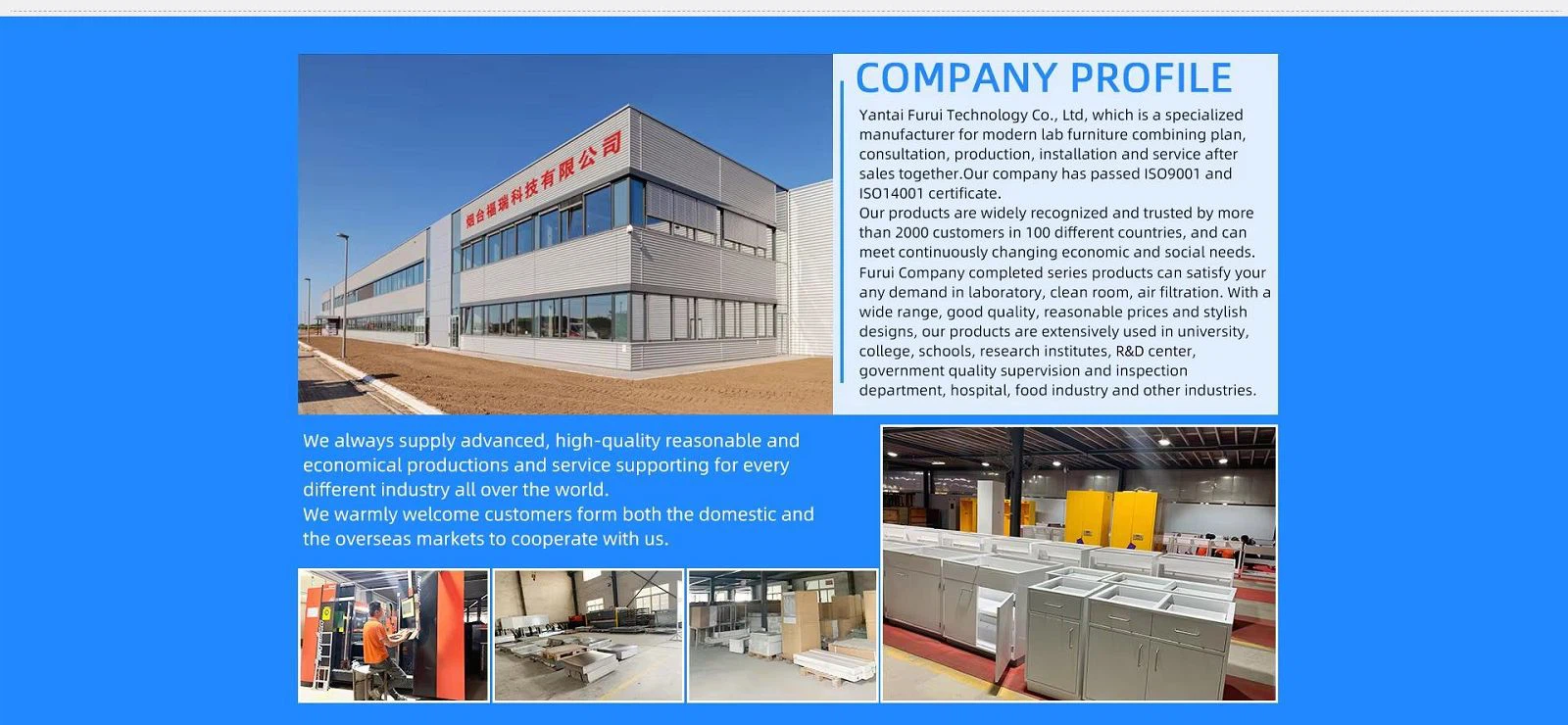

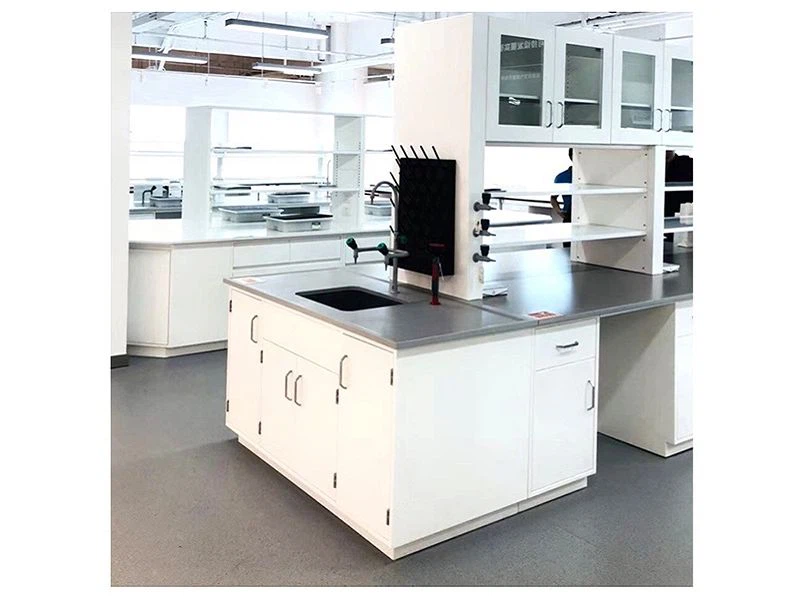
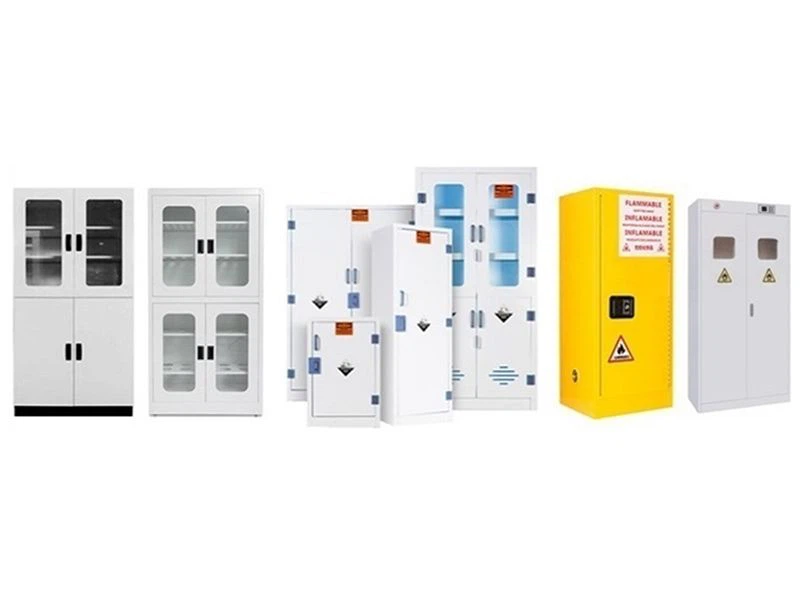
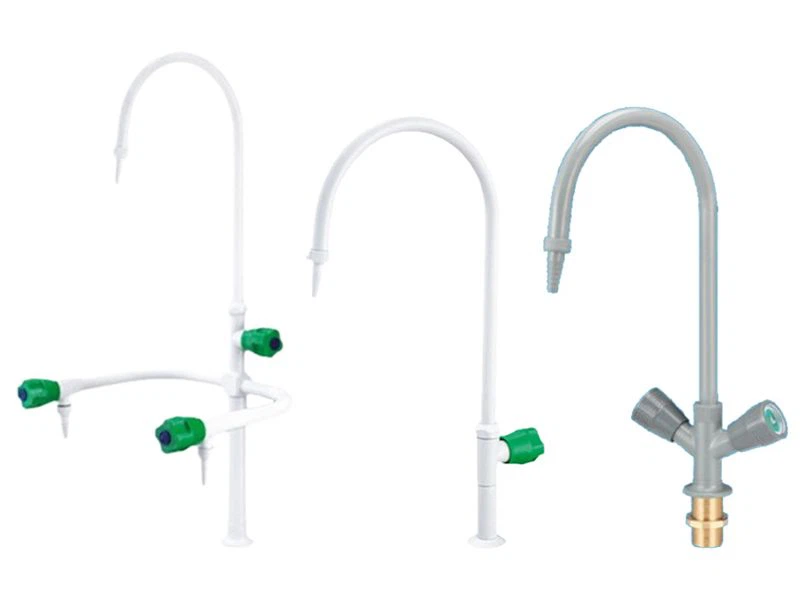
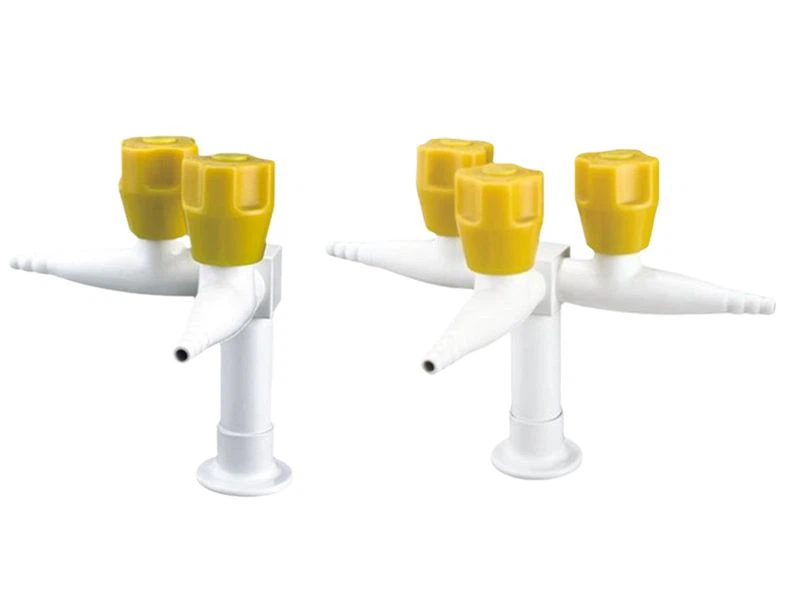
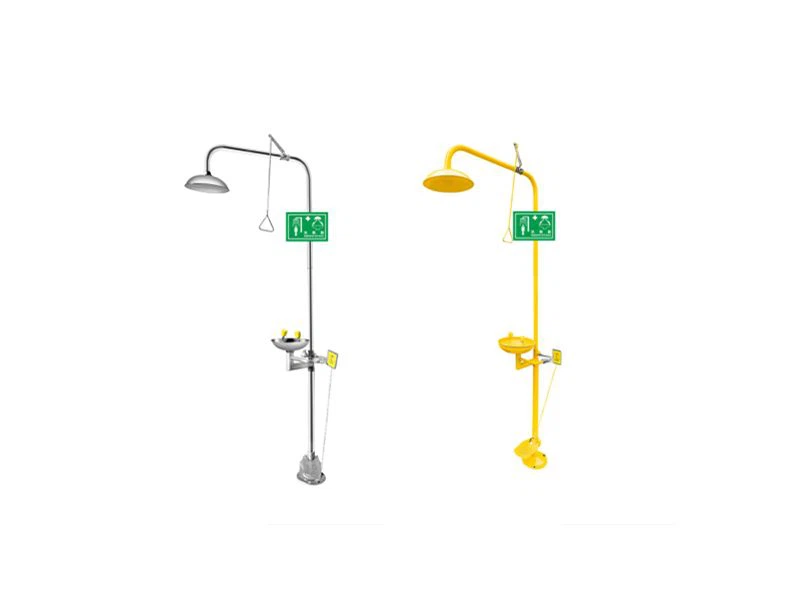
We are in Yantai, China. Our main productions include Lab Furniture, Fume Hood,Workbench, Lab cabinet etc; Lab Accessories, Faucet, Fume Extaction Arm, Lab Pegboard, Lab Chair, Lab Gas Tap, PP Sink, Eye Wash etc. Up to now, Our products have been exported to more than 30 countries, such as Russia, Kuwait, Mexico, Malaysia, Kazakhstan, India, Philippines, South Korea, South Africa, Indonesia, Thailand etc. So we can provide high service to our clients.
Main Products
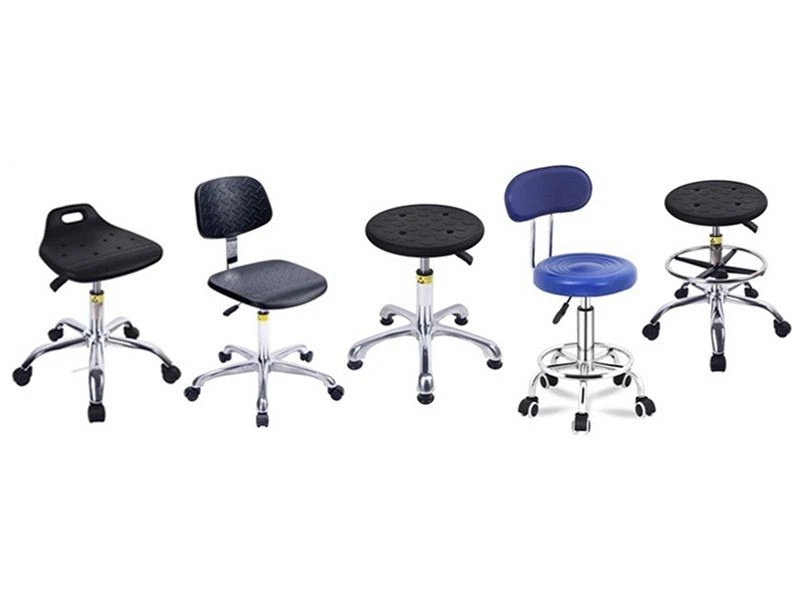
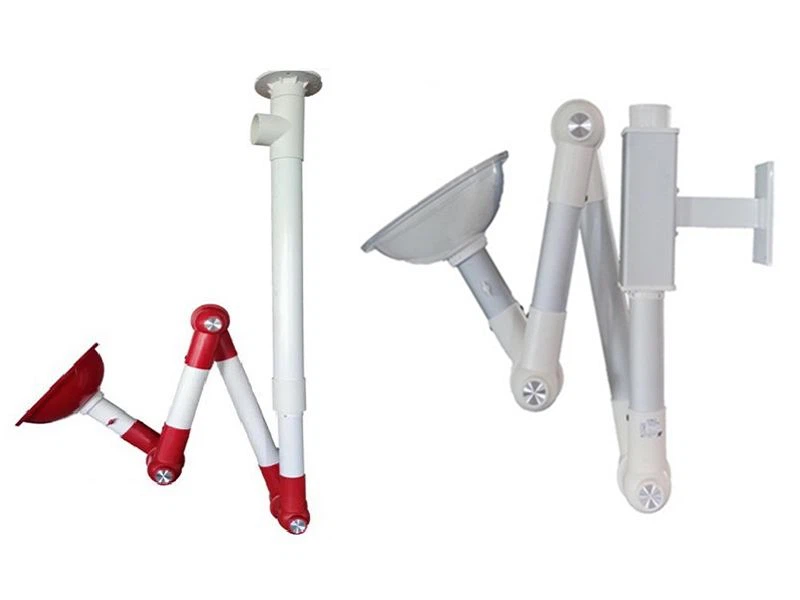
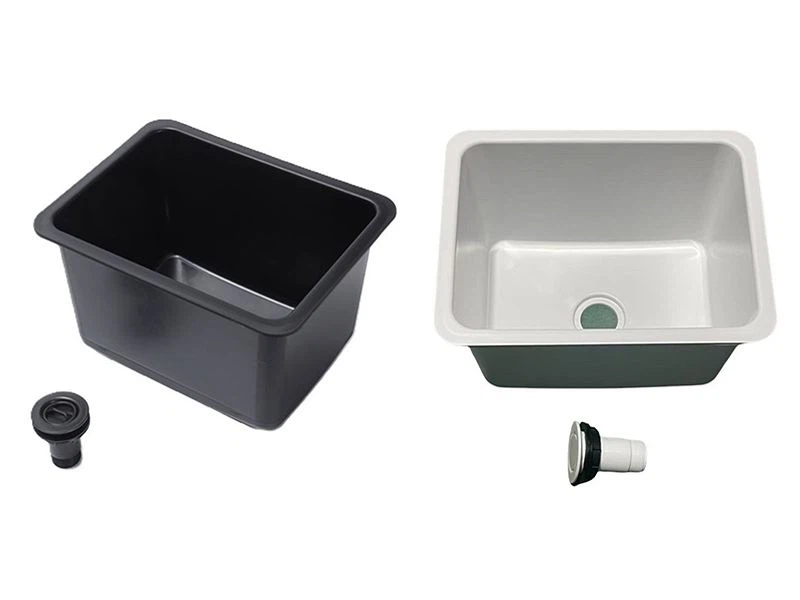
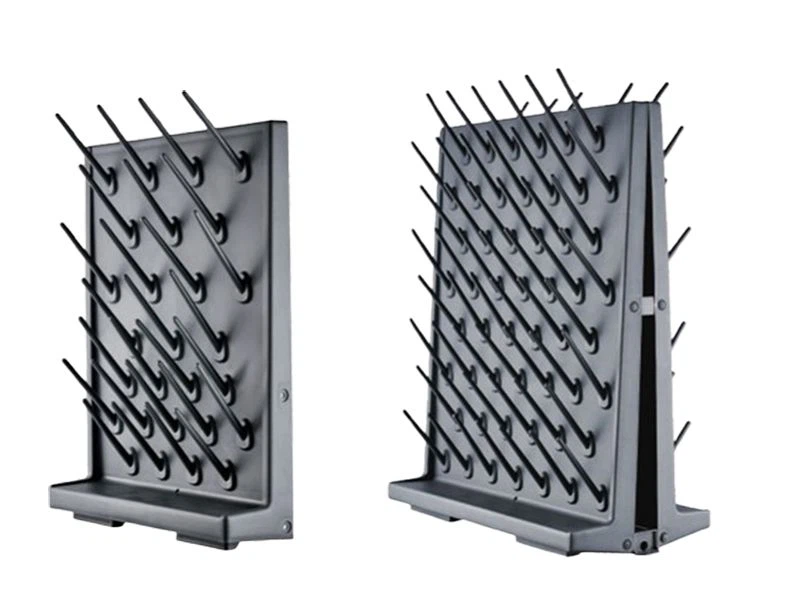
Details Images

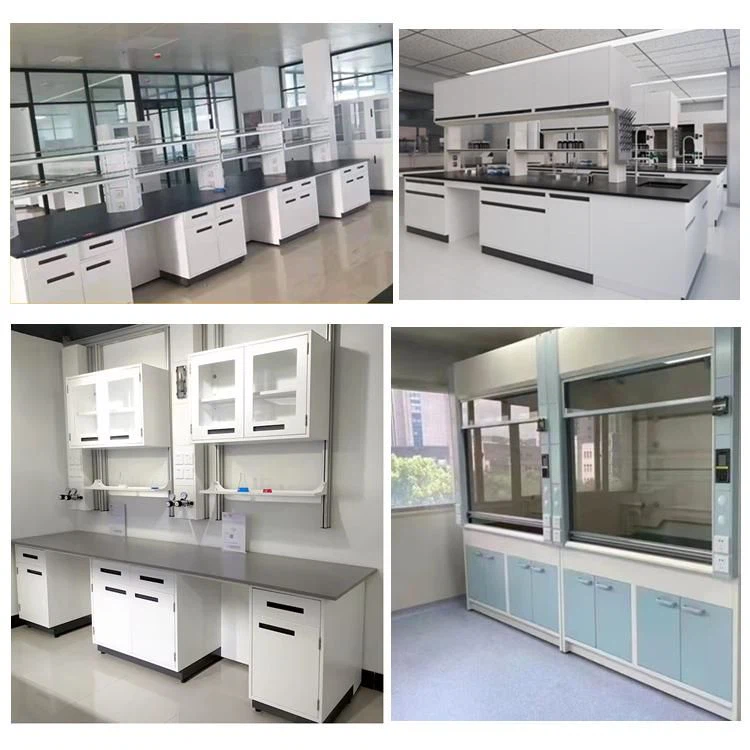
Engineering Cases
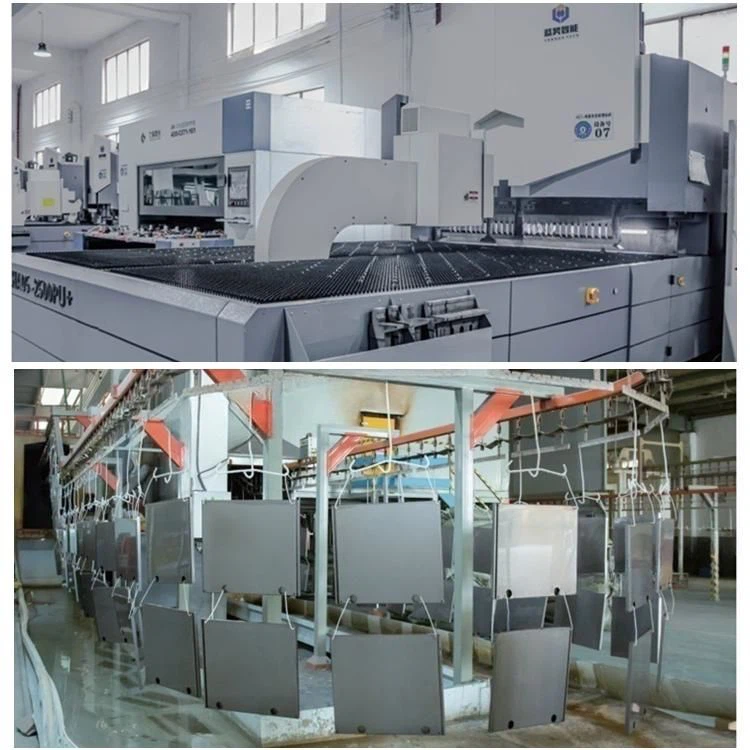
Factory Equipment

FAQ
Q: What is your MOQ? Can I mix different styles to a start order?
A: Please tell us what products you need first.Like compression fittings, the MOQ is 100pcs.But we can provide any stock as samples for you to check the quality first.
Q: Can you give me a discount?
A: Discount is available,but we have to see the real quantity,we have different price based on different quantity,how much discounts is determined by the quantity,moreover,our price is very competitive in the field.
Q: If l have a product wants to be made in other special material, can you do it?
A: Of course, you just need to provide us designed drawings or sample and R&D department will estimate that whether we can do or not, we will give you the most satisfactory reply.
Q: Do you offer OEM service and can you produce as our drawings?
A: Yes. We offer OEM service. We accept custom design and we have a professional design team who can design products based on your requirements. And we can develop new products according to your samples or drawing
Q: Can I request to change the form of packaging and transportation?
A: Yes, We can change the form of the packaging and transportation according to your request, but you have to bear their own costs incurred during this period and the spreads.
Hot Tags: chemical lab fume hood, China chemical lab fume hood manufacturers, suppliers, factory, desktop fume hood, Stainless Steel Fume Hood, Stainless Fume Hood, Pp Fume Hood