


In the fast-paced, precision-driven environment of scientific laboratories, every piece of equipment plays a critical role in ensuring both safety and efficiency. At the heart of most chemistry, biology, and analytical labs lies a workhorse that supports every experiment, every sample preparation, and every data-gathering step: the Steel-wood Laboratory Center Table. More than just a flat surface to place beakers and test tubes, the Steel-wood Laboratory Center Table is a meticulously engineered workspace, purpose-built to withstand the unique rigors of daily lab use. Its hybrid construction, combining the strength of steel with the practicality of wood-based materials, strikes the perfect balance between structural integrity, chemical resistance, and organizational functionality. A well-designed Steel-wood Laboratory Center Table does not merely hold equipment; it enhances workflow, protects personnel, and ensures the long-term reliability of lab operations.
A Closer Look: Design and Structural Features
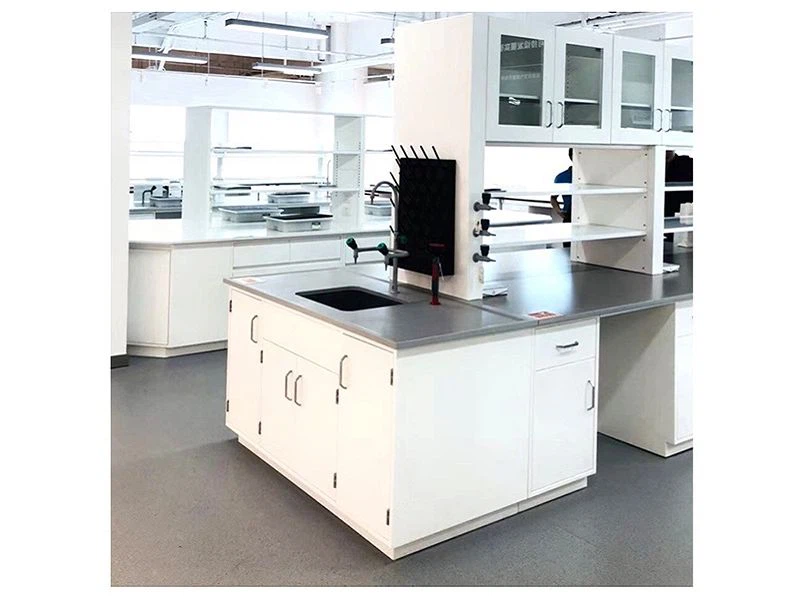
The Steel-wood Laboratory Center Table in the image is a classic example of the industry standard, built to meet the demands of a busy modern laboratory. Its design is modular and highly functional, with every element carefully considered to serve the needs of the user.
At its core is the robust steel frame, the skeleton that gives the table its exceptional strength and stability. Unlike all-wood structures that can warp, sag, or become unstable under heavy loads, this frame is constructed from thick, cold-rolled steel profiles, which are then treated with an epoxy powder coating. This coating is not just for aesthetics; it provides a durable, corrosion-resistant barrier against the inevitable spills of water, acids, and solvents that occur in a lab setting. The frame's legs and cross-braces are engineered for maximum rigidity, eliminating wobble or vibration that could disrupt sensitive experiments or the use of precision instruments like balances or centrifuges. The frame also features adjustable leveling feet at the base, allowing the table to be perfectly stabilized on uneven floors, a common challenge in older lab buildings.
Mounted securely to this steel frame is the wood-based cabinetry, the storage workhorse of the unit. The cabinets are constructed from high-density particleboard or plywood, faced with a durable, chemical-resistant laminate. The vibrant blue finish is both practical and easy to clean, while the white trim provides a crisp, professional look. The cabinet layout is highly organized, featuring a combination of full-height doors for bulk storage and upper drawers for smaller items like glassware, tools, or personal protective equipment. The hardware, including hinges and drawer slides, is typically made of corrosion-resistant metal, designed to withstand frequent opening and closing without jamming or breaking. The wood-based components are sealed to prevent moisture and chemical vapors from warping or damaging the core material, ensuring the storage units remain functional for years.
The most critical part of the Steel-wood Laboratory Center Table is the work surface, and this model features a high-performance, black solid phenolic resin countertop. This material, often referred to as a "physical and chemical board," is specifically engineered for laboratory use. It is non-porous, making it impervious to spills and easy to sanitize. It offers excellent resistance to a wide range of common laboratory chemicals, including dilute acids, alkalis, and solvents. The surface is also heat-resistant, able to withstand the occasional hot beaker or hot plate without scorching or melting. Unlike porous materials like wood or laminate, a phenolic resin top will not absorb stains or harbor bacteria, making it ideal for both chemical and biological work. The surface is typically coved at the edges to contain spills, and in this model, a sink basin is seamlessly integrated into the countertop, complete with a gooseneck faucet for convenient water access.
Above the main work surface, the table is equipped with a modular overhead framework, often referred to as a reagent shelf or service fixture. This structure, made of coated steel, features horizontal rails designed to hold a variety of accessories. In the image, a black pegboard-style drying rack is mounted on one end, perfect for hanging glassware to drip dry. The rest of the framework can be fitted with shelves for storing frequently used chemicals, or service fixtures for gas, vacuum, or electrical outlets. This overhead structure maximizes the use of vertical space, keeping essential supplies within arm's reach while keeping the main work surface clear and uncluttered.
Core Advantages: Why the Steel-wood Design Shines
The Steel-wood Laboratory Center Table format has become the industry standard for good reason. Its hybrid design combines the best attributes of different materials to create a product greater than the sum of its parts.
1. Uncompromising Structural Strength and Load Capacity
The primary advantage of the Steel-wood Laboratory Center Table lies in its steel frame. Laboratories often house heavy equipment, from large centrifuges and water baths to stacked glassware and reagent bottles. An all-wood table would eventually sag or buckle under this weight, leading to an uneven, unstable surface. The steel frame, however, provides an incredibly rigid and load-bearing structure. It can support hundreds of kilograms of equipment without flexing, ensuring the work surface remains perfectly level and stable. This is crucial for experiments that require precise measurements or for the operation of sensitive analytical instruments that cannot tolerate vibration or tilt. The frame's durability also means the table will not need to be replaced due to structural failure, offering a long-term solution for the lab.
2. Superior Chemical and Environmental Resistance
The lab environment is inherently harsh. Spills, splashes, and corrosive fumes are daily occurrences. The Steel-wood Laboratory Center Table is built to withstand this punishment. The steel frame's epoxy coating resists rust and corrosion, even in humid environments. The laminate on the wood-based cabinets provides a tough, easy-to-clean surface that repels most common chemicals. The phenolic resin work surface is the star player here, offering exceptional resistance to a broad spectrum of acids, bases, and solvents. Unlike a pure steel table, which can be susceptible to certain acids, or an all-wood table, which is easily damaged by spills, the steel-wood combination with a specialized top offers the best of both worlds. It is far more resistant to everyday chemical exposure than many alternatives, ensuring the table maintains its appearance and function over time.
3. Optimized Storage and Organizational Efficiency
A cluttered lab is an inefficient and unsafe lab. The Steel-wood Laboratory Center Table addresses this with its integrated cabinetry and overhead accessories. The combination of drawers and cabinets provides ample, organized storage space for glassware, tools, chemicals, and personal items. This keeps the work surface clear of unnecessary items, reducing the risk of accidents and cross-contamination. The overhead reagent shelf allows for the storage of frequently used chemicals, keeping them within easy reach without cluttering the bench. The modular design means that the layout of cabinets and accessories can often be customized to suit the specific workflow of the lab. This focus on organization is a key advantage over simpler work surfaces, directly contributing to a safer and more productive work environment.
4. Enhanced Ergonomics and Workflow
Comfort and efficiency are paramount for lab personnel who may spend hours at their workstations. The Steel-wood Laboratory Center Table is designed with user ergonomics in mind. The standard height of the work surface is calibrated for comfortable standing work. The inclusion of an integrated sink and faucet eliminates the need for users to walk across the lab to rinse glassware, streamlining common tasks. The overhead framework can be fitted with lighting fixtures to illuminate the work area, reducing eye strain. The ability to have everything-from supplies to services-within easy reach minimizes unnecessary movement, allowing researchers to focus on their experiments. This thoughtful design is a significant upgrade over makeshift workstations, directly improving the user experience.
5. Long-Term Durability and Cost-Effectiveness
While the initial investment in a Steel-wood Laboratory Center Table is higher than that of a basic workbench, its long lifespan makes it a cost-effective choice. The steel frame will not warp, sag, or break. The high-quality laminate and phenolic surfaces are designed to resist stains, scratches, and chemical damage. With minimal maintenance, which typically involves nothing more than regular cleaning with standard disinfectants, the table can remain functional and presentable for over a decade. This longevity reduces the need for frequent replacements, lowering the total cost of ownership over the life of the lab.
Key Application Scenarios
The versatility of the Steel-wood Laboratory Center Table makes it suitable for a wide range of laboratory settings.
In university and educational labs, where high volumes of students perform a variety of experiments, these tables are ideal. Their durability and ease of cleaning make them perfect for heavy use, while the ample storage helps keep shared supplies organized. The integrated sink is invaluable for teaching labs where glassware must be washed frequently.
In industrial quality control and research labs, the Steel-wood Laboratory Center Table supports a wide range of analytical work, from sample preparation to testing. The sturdy surface can hold heavy equipment like spectrometers or balances, and the chemical-resistant top can handle spills from various reagents used in testing.
In pharmaceutical and biotech labs, where strict hygiene and organization are critical, these tables excel. The non-porous surfaces are easy to sanitize, and the organized storage helps maintain a controlled environment, reducing the risk of cross-contamination.
In environmental testing labs, where samples are often digested or treated with strong chemicals, the chemical-resistant work surface is essential. The steel frame can support the heavy equipment used in these processes, making the table a reliable workhorse for demanding applications.
Comparative Advantage: Steel-wood vs. Alternatives
When selecting a lab work surface, the Steel-wood Laboratory Center Table faces competition from all-steel, all-wood, and epoxy resin tables. A side-by-side comparison reveals its unique strengths.
Against all-steel lab benches, the steel-wood design offers superior chemical resistance on the work surface (especially with phenolic or epoxy tops) and far better storage solutions. All-steel cabinets are heavier, more expensive, and can be prone to condensation inside, potentially damaging stored items. The laminate cabinets in the steel-wood design are lighter, more affordable, and provide a warmer, less sterile-looking environment.
Compared to all-wood workbenches, the Steel-wood Laboratory Center Table is vastly more durable and resistant to the lab environment. Pure wood will warp, stain, and degrade quickly with exposure to water and chemicals. The steel frame provides the structural stability that all-wood benches lack, making them unsuitable for heavy equipment or long-term use.
Against solid epoxy resin tables, the steel-wood option offers a significant cost advantage. While epoxy tops are extremely durable, they are very expensive, especially in large sizes. The phenolic resin top on a steel-wood table offers nearly comparable performance at a fraction of the cost. Additionally, the steel-wood structure with laminate cabinets is often easier to modify or repair than a monolithic epoxy unit.
Conclusion
The Steel-wood Laboratory Center Table is far more than a simple piece of furniture; it is a foundational component of a functional, safe, and efficient laboratory. By combining the robust strength of a steel frame with the practicality of wood-based storage and a high-performance chemical-resistant work surface, the Steel-wood Laboratory Center Table offers a balanced solution that meets the diverse needs of modern scientific work. From the structural integrity of its frame to the chemical resistance of its countertop and the organizational efficiency of its cabinets, every aspect of the design is engineered for performance. Whether in an academic, industrial, or research setting, the Steel-wood Laboratory Center Table remains the trusted backbone of laboratory operations, supporting discovery and innovation for years to come.
Do you want me to rewrite this into a more sales-oriented Alibaba listing version, with more emphasis on keywords and selling points?
Features
The countertop of the steel-wood lab center bench is made of 12.7mm thick solid chemical-resistant board, which is resistant to strong acids, strong alkalis, and corrosion, and can withstand high temperatures. It can resist 105 kinds of acids, alkalis, strong oxidants and other corrosive reagents. The outer edge is double-layered and thickened to 25.4mm, with a smooth and pleasant appearance and feel after edge grinding. Multiple colors are available, and the standard color is black. (Fuya, Weishengya or other brands).
Hinges: DTC brand or other designated brands, with 110°or 175°ordinary hinges (or damping hinges), capable of bearing 100-200kg, and can be opened up to 100,000 times.
Pull handles: Aluminum alloy U-shaped pull handles or straight pull handles (available in different colors), 304 stainless steel pull handles, durable, corrosion-resistant, and easy to clean.

Product Specification
|
Product Size: |
1000L * 750W * 800H |
|
Cabinet Type Options: |
Floor Cabinet / Inset Cabinet / Wall Cabinet / Mobile Cabinet |
|
Cabinet Body Material: |
18mm Particle Board / Medium Density Fiberboard / Multi-layer Board |
|
Cabinet Door Structure: |
Inset Door / Overlay Door |
|
Cabinet Door Handle: |
Aluminum Alloy Handle / Straight Handle |
|
Cabinet Frame: |
1.2mm / 1.5mm / 1.8mm Square Steel Tube |
|
Steel Frame Finish: |
Epoxy Resin Electrostatic Spraying |
|
Countertop Options: |
Chemical-resistant Board / Ceramic Board / Epoxy Resin Board |
|
Color Options: |
White / Gray / Blue |
|
Hardware Accessories: |
DTC Hinges / Silent Slides |

Application

Advantages
1.Easy to installation
2.Professional services
3.High quality products
1) Variety types for selection
2) Competitive price
3) Prompt delivery
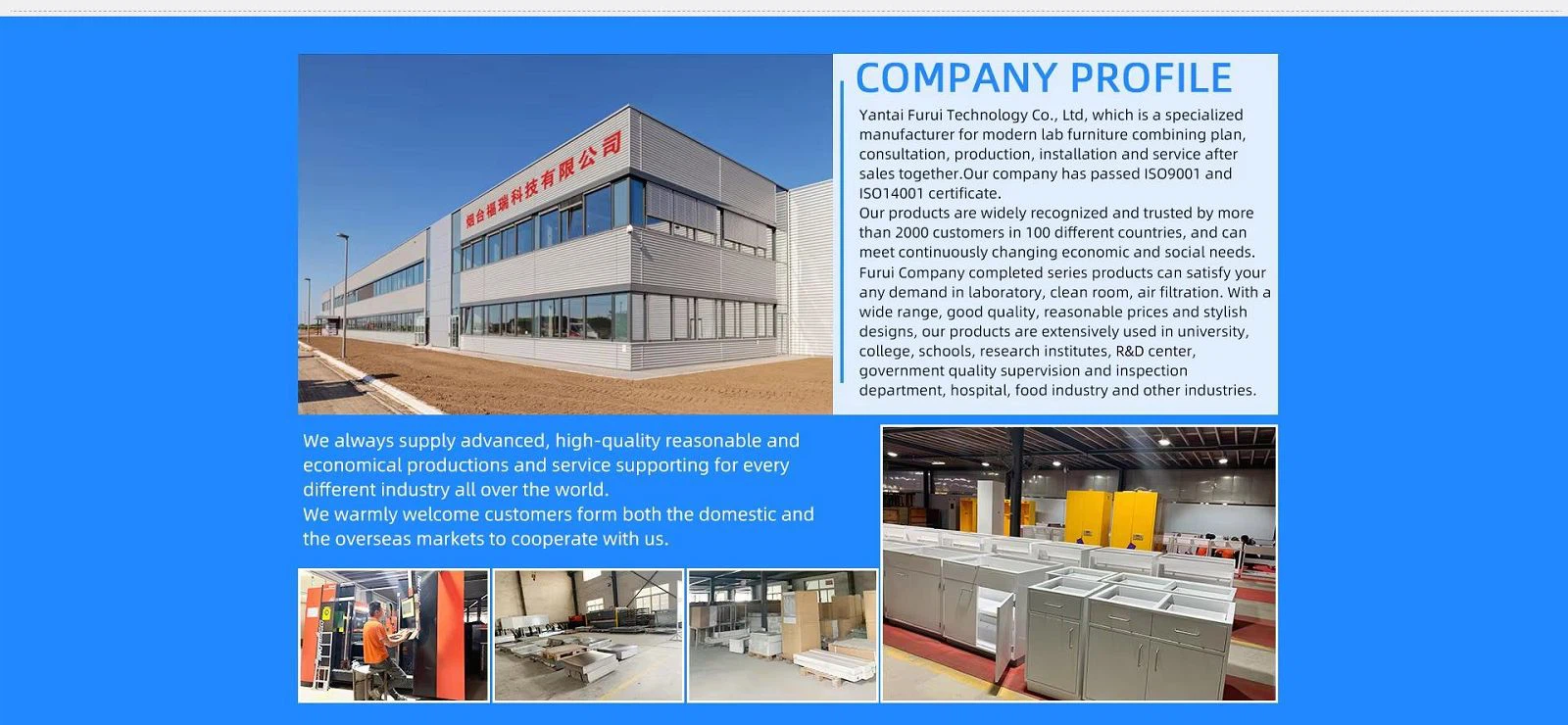

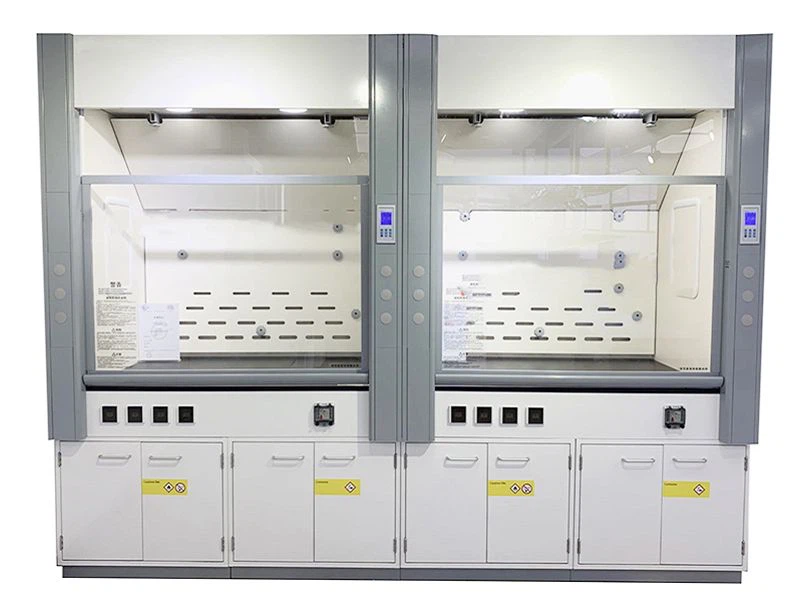
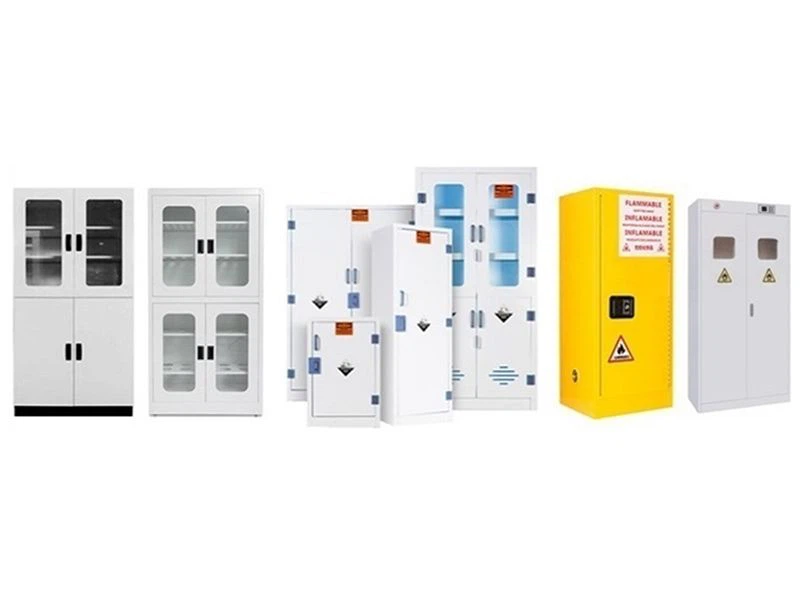
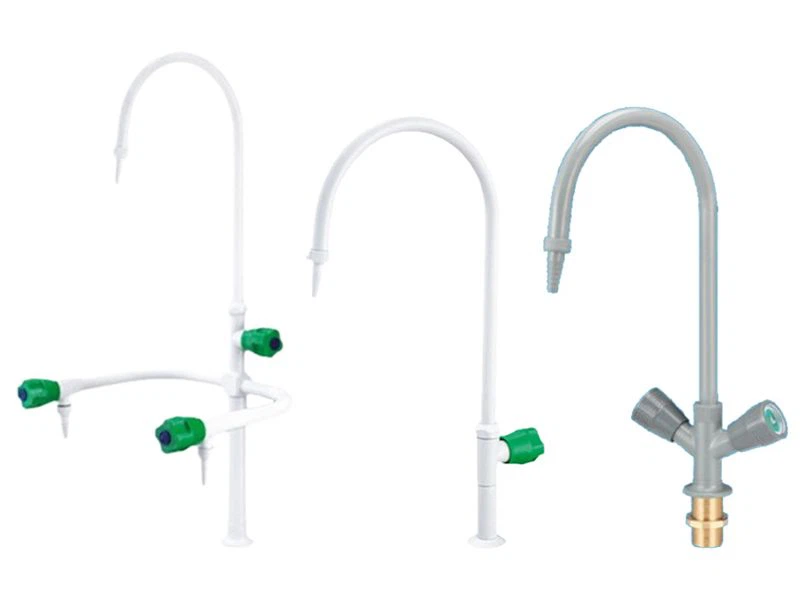
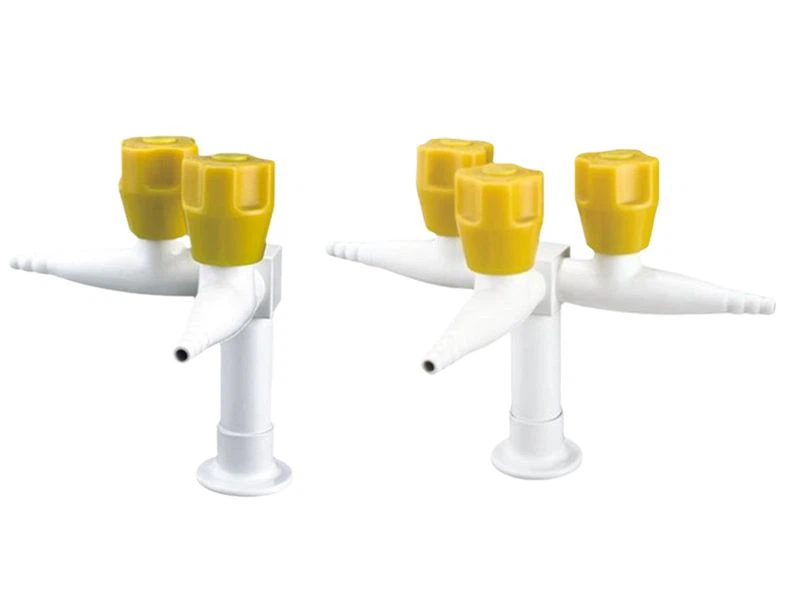
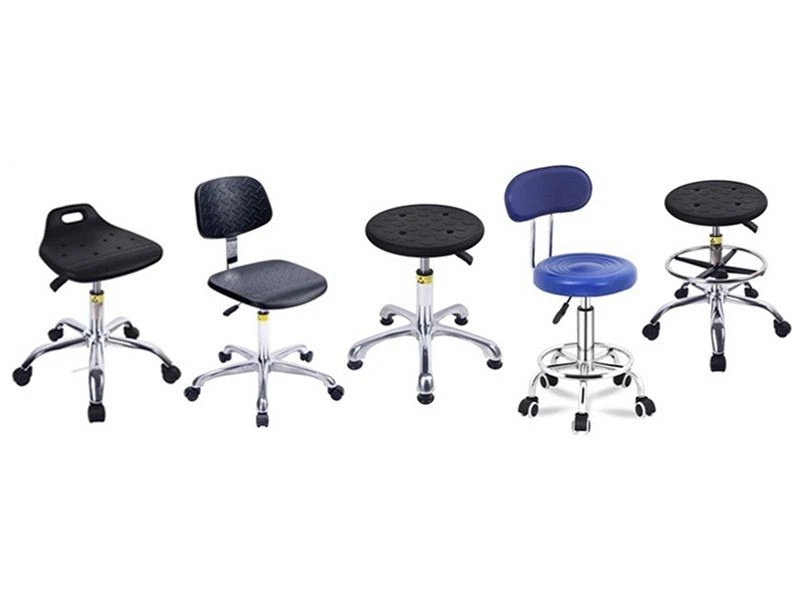
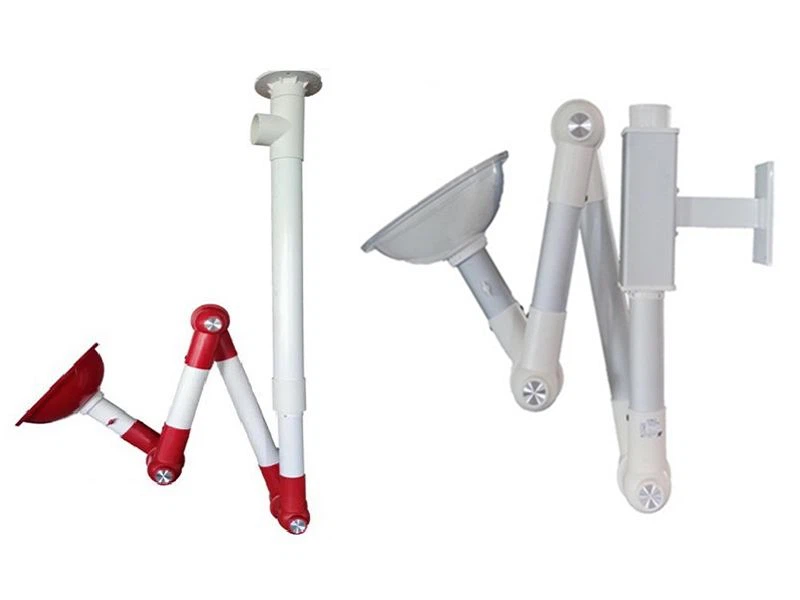
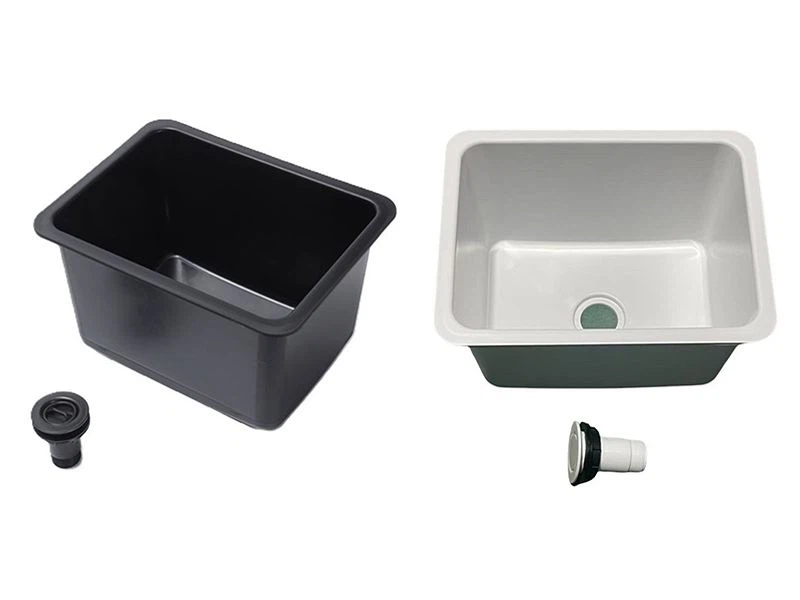
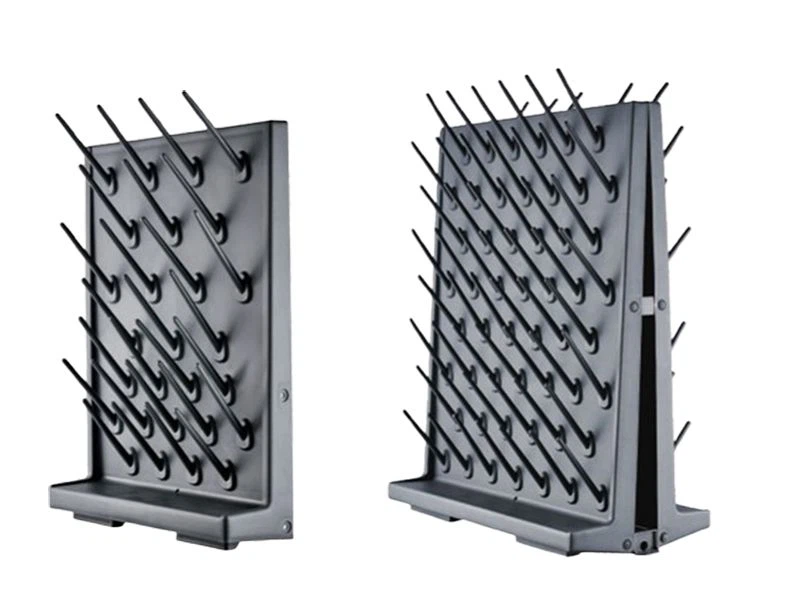
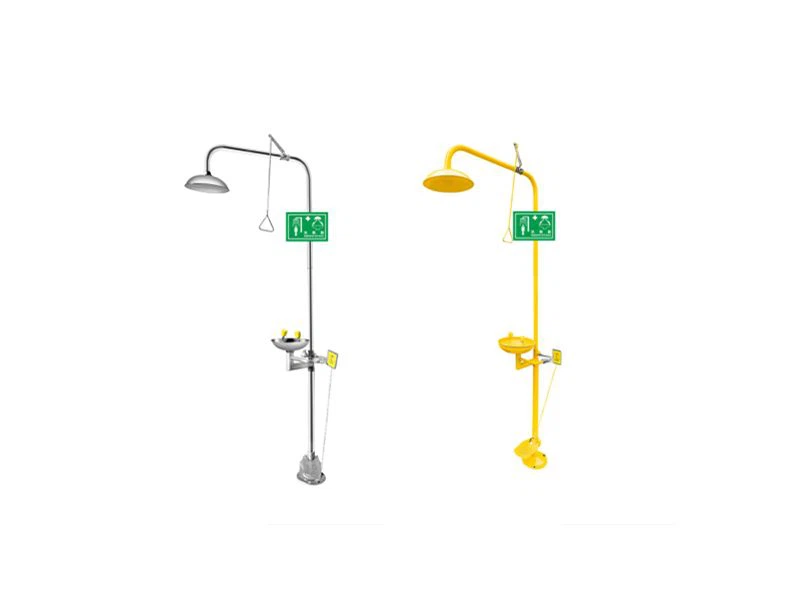
We are in Yantai, China. Our main productions include Lab Furniture, Fume Hood,Workbench,Lab cabinet etc; Lab Accessories, Faucet, Fume Extaction Arm, Lab Pegboard, Lab Chair, Lab Gas Tap, PP Sink, Eye Wash etc. Up to now, Our products have been exported to more than 30 countries, such as Russia, Kuwait, Mexico, Malaysia, Kazakhstan, India, Philippines, South Korea, South Africa, Indonesia, Thailand etc. So we can provide high service to our clients.
Main Products
FAQ
Q: What's the delivery time?
A: It usually takes about 15 working days to produce an order according to the quantity. But the exact delivery time might be different for different orders or at different time.
Q: How does your factory do regarding quality control?
A: Quality is priority. We always attach great importance to quality control from the very beginning to the end of the production. Every product will be fully assembled and carefully tested before it's packed for shipment.
Q: Can your products be customized?
A: Yes, we have a professional team which has rich experience in lab furniture and lab accessories, so we'll try our best to satisfy your requirement.
Q: What about the transportation?
A: Usually we take seaway,cause it's more convenient and cheaper.
Q: What are your terms of payment?
A: T/T, L/C etc, any convenient payment terms is available.
Hot Tags: steel-wood laboratory center table, China steel-wood laboratory center table manufacturers, suppliers, factory, lab island bench, Steel wood Lab Center Bench


