


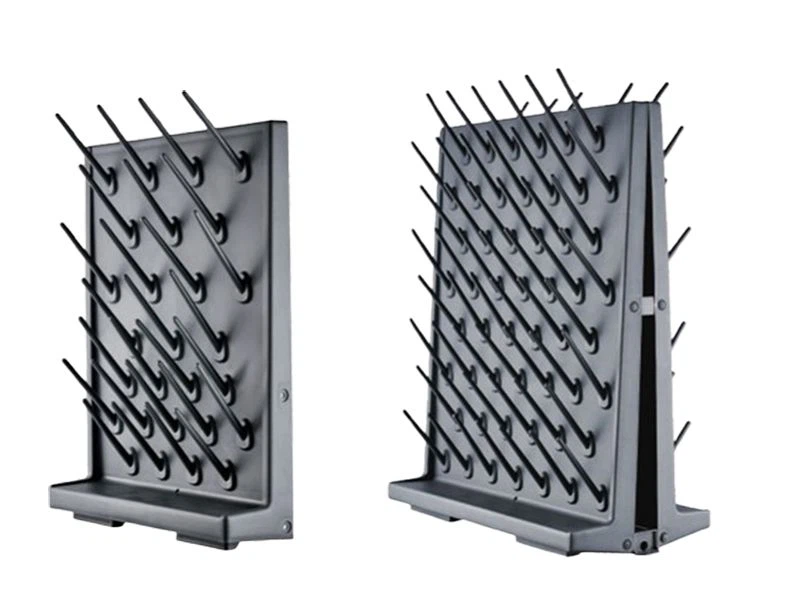
In contemporary analytical laboratories, biochemical research institutions, academic teaching labs, pharmaceutical production workshops and quality inspection premises, orderly post-cleaning treatment of lab glassware stands as an indispensable segment influencing experimental precision, operational sanitation and overall space utilization efficiency. Conventional single-sided draining brackets, wireframe drying supports and scattered temporary storage containers have long plagued laboratory administrators with inherent limitations including limited loading volume, inefficient spatial exploitation, inadequate chemical resistance and troublesome liquid disposal mechanisms. Under such realistic industry demands, the meticulously engineered Dual Face Pegboard emerges as a revolutionary solution that reconstructs the workflow of glassware air-drying and laboratory utensil arrangement. This Dual Face Pegboard adopts an innovative foldable bilateral panel architecture furnished with a full complement of 54 precision-machined inclined drip pegs, crafted from premium modified polypropylene raw material, precisely matching the physical specifications and structural layout demonstrated in the displayed product photograph. Every structural detail, functional module and ergonomic proportion of the Dual Face Pegboard undergoes repeated simulation testing and scene verification, making it far superior to generic single-sided drip racks and thin plastic drying frames circulating within laboratory supply markets.
To fully comprehend the groundbreaking value embedded within this Dual Face Pegboard, we shall commence our analysis with its core architectural breakthrough: proprietary dual-sided parallel working plane configuration. The vast majority of entry-level lab draining apparatus available for procurement feature merely one functional face to mount pegs for suspending flasks, beakers, test cylinders and sampling vials. If laboratory staff intend to expand drying capacity, they are compelled to purchase multiple separate single-sided pegboards, which inevitably occupies excessive wall surface area near cleaning sinks, generates disjointed storage zones and complicates unified wastewater collection. Unlike those outdated alternatives, the Dual Face Pegboard integrates two independent peg installation planes hinged into one consolidated unit without doubling horizontal wall occupation. When mounted vertically against washroom walls adjacent to laboratory sinks, the front panel serves as the primary drying station for frequently utilized medium-sized glassware such as 250mL conical flasks, 100mL beakers and graduated measuring cylinders, while the rear secondary plane of the Dual Face Pegboard offers reserved hanging space for infrequently operated volumetric flasks, reagent storage bottles and small centrifugal test tubes. The moderate gap reserved between the two vertical boards simultaneously facilitates natural cross ventilation surrounding suspended labware. Enhanced airflow circulation drastically shortens complete surface evaporation cycles after glassware rinsing, eliminating lingering residual moisture that might breed microbial contamination or dilute subsequent experimental reagents. Many operators neglect the hidden risks caused by prolonged damp glassware placement; water droplets trapped on inner vessel walls will alter standard solution concentration ratios, introducing systematic errors into titration, chromatography and spectrophotometry tests. By accelerating uniform dehydration through bilateral aeration channels, the Dual Face Pegboard directly mitigates such subtle experimental deviation sources that frequently go unnoticed by junior laboratory technicians.
Material formulation constitutes another decisive competitive advantage distinguishing this Dual Face Pegboard from low-cost imitation products of shoddy construction. Every component forming the Dual Face Pegboard, inclusive of main panels, support pegs, integrated bottom drip chute, drainage outlet valve and connecting hinge assemblies, is extruded and molded utilizing high-density food and laboratory-grade polypropylene (PP). Selecting modified PP polymer instead of ordinary ABS plastic, thin PVC or cheap recycled plastic brings forth cascading functional merits worthy of thorough elaboration. Primarily, premium PP material manifests outstanding inertness toward most inorganic acids, alkaline solutions, neutral detergents, conventional organic solvents and disinfectants regularly deployed within laboratory washing workflows. When residual diluted hydrochloric acid, sodium hydroxide cleaning fluid, ethanol or isopropanol drips onto the surface of the Dual Face Pegboard from upside-down glassware, chemical erosion, surface blistering or gradual material embrittlement will not occur, phenomena commonly observed on lesser plastic drying racks after several months of routine lab usage. Recycled plastic alternatives often contain unidentifiable impurity components that slowly leach out upon repeated contact with chemical fluids; trace dissolved contaminants may splash back onto cleaned glass containers and ruin sensitive trace analysis experiments, a hazard completely avoided by the virgin PP construction of our Dual Face Pegboard. Secondarily, the selected polypropylene composite maintains stable physical rigidity under fluctuating ambient temperatures typical of laboratory environments. Many teaching laboratories and industrial quality control facilities lack constant temperature air conditioning systems, experiencing seasonal temperature swings ranging between 5 degrees Celsius and 38 degrees Celsius. Inferior plastic drip racks deform, warp or develop brittle cracks under such variable thermal conditions, yet the structural framework of the Dual Face Pegboard retains dimensional stability throughout standard operational temperature ranges, ensuring pegs remain firmly inserted without tilting or dislodging over long service durations. Moreover, the matte textured outer finish of the Dual Face Pegboard actively resists unsightly water stain accumulation, limescale adhesion and organic residue buildup. Smooth glossy plastic surfaces tend to capture thin films of mineral deposits carried by tap water, requiring frequent strenuous scrubbing, whereas dirt and limescale attached to the Dual Face Pegboard can be effortlessly wiped away with ordinary microfiber cloths and neutral detergent, drastically cutting down daily equipment maintenance labor investment for laboratory custodians.
The complete set of 54 angled drip pegs supplied alongside the Dual Face Pegboard embodies thoughtful human-centered industrial design that addresses numerous pain points visible on generic draining equipment. Each peg is manufactured with a slight upward incline originating from its embedded base point on the panel of the Dual Face Pegboard. This calibrated oblique angle is not arbitrarily designed; it guarantees that when glassware is inverted and hung onto the pegs, all remaining rinse water flows unobstructedly along vessel inner walls toward the rim, then slides downward along the peg surface into the integrated bottom collection trough. Flat horizontal pegs found on competing products frequently cause a critical issue: small volumes of liquid get trapped at the contact point between glass base and peg surface, forming stagnant water pools that require prolonged evaporation. In addition to optimized inclination, the terminal end of every peg on the Dual Face Pegboard incorporates a subtly widened anti-slip retaining collar. This small structural modification prevents lightweight cylindrical vials and narrow-neck flasks from sliding off during accidental vibration, such as when personnel brush against the Dual Face Pegboard while passing beside cleaning stations or when airflow from nearby fume hoods generates minor air turbulence. Users will also appreciate the standardized uniform spacing arranged between each peg mounting position across both faces of the Dual Face Pegboard. Sufficient separation clearance eliminates mutual collision between adjacent suspended glassware units. Chipping and cracking of expensive volumetric glass instruments caused by unintended contact represents substantial avoidable expenditure for laboratories, and the peg layout geometry of the Dual Face Pegboard establishes adequate isolation buffers to prevent such costly breakage incidents. The pegs feature moderate thickness capable of sustaining substantial distributed weight; fully loaded borosilicate glass beakers and round-bottom flasks exert downward tension without bending the pegs fixed onto the Dual Face Pegboard, unlike thin fragile pegs prevalent on budget competitor drip racks that bend permanently after supporting heavy glassware over short periods.
A standout proprietary functional module integrated into the base framework of the Dual Face Pegboard is the all-in-one closed-loop wastewater management assembly, consisting of an integrally molded liquid collecting gutter, controllable drain spigot and flexible outflow pipeline, clearly illustrated within the reference product photograph. The majority of basic lab draining racks merely equip an open shallow tray without dedicated controlled drainage outlets. Operators face two troublesome options with such primitive designs: either manually carry the entire tray toward sinks for regular dumping, exposing surrounding countertops to accidental spill risks, or permit accumulated wastewater to overflow chaotically once reaching maximum capacity, generating slippery puddles on floor surfaces that raise laboratory safety hazards. The engineering team developing this Dual Face Pegboard completely reimagined residual liquid handling workflows. All moisture descending from glassware suspended on both sides of the Dual Face Pegboard converges inside the sealed bottom trough structure. A manually operable shutoff faucet extends outward on one lateral side of the Dual Face Pegboard. Laboratory staff retain full autonomy to decide drainage timing according to actual water accumulation volume. When the collection trough fills to pre-set levels, simply opening the valve allows liquid to channel through the connected plastic tube directly into floor drains, laboratory sink basins or waste liquid recovery buckets. During periods of intermittent cleaning activity, operators may maintain the faucet in closed status to temporarily retain collected wastewater, eliminating constant dripping onto floors throughout the working day. This controllable drainage system grants remarkable flexibility particularly beneficial for multi-shift industrial testing laboratories, university student teaching labs with concentrated cleaning periods, and pharmaceutical microbiology laboratories demanding consistently dry surrounding floor zones to minimize microbial proliferation. It should be emphasized that the entire drainage channel of the Dual Face Pegboard forms a seamless monolithic molded structure without assembly seams. Sewn or glued trough joints featured on many alternative drip racks gradually develop microscopic gaps over repeated temperature cycles, leading to slow persistent seepage that contaminates wall surfaces underneath the rack; zero-seam molding technology applied on the Dual Face Pegboard permanently eliminates hidden leakage vulnerabilities.
Installation versatility further elevates the practical applicability of the Dual Face Pegboard across highly diverse working environments. Precisely positioned concealed mounting anchor points are prefabricated onto the rear framework of the Dual Face Pegboard, enabling secure vertical wall mounting onto ceramic tile walls, solid concrete partition walls and dense composite laboratory wall panels adjacent to washing sinks. Wall-mounted deployment frees up precious horizontal countertop space surrounding cleaning zones, a vital consideration for compact analytical labs, mobile field testing stations and small-scale school teaching laboratories where bench surface area is chronically limited. The hinged bilateral panel structure of the Dual Face Pegboard delivers additional adaptive merit during installation and maintenance. If operators need to thoroughly deep-clean the interstitial space sandwiched between the two peg-bearing panels of the Dual Face Pegboard, the hinged connection permits partial outward spreading of the dual boards to access hard-to-reach inner surfaces for sanitization, an operation impossible on permanently fixed double-sided pegboard variants with rigid non-articulated frames. Many competing double-sided drip racks utilize welded fixed dual panels; mildew, limescale and organic residues gradually build up within the inaccessible middle crevice, creating concealed contamination hotspots that transfer pollutants onto freshly cleaned glassware. The foldable hinge mechanism engineered onto our Dual Face Pegboard eradicates such unsanitary blind corners entirely. When transportation or temporary relocation becomes necessary, the hinged design allows the two working faces of the Dual Face Pegboard to fold closer together, reducing overall package thickness and lowering shipping volumetric charges compared with rigid unfolded double-sided alternatives.
To fully display market differentiation value, we shall conduct systematic side-by-side comparative evaluation between the Dual Face Pegboard and multiple mainstream competing lab drying solutions widely circulated throughout laboratory supply chains. First, comparison against conventional single-sided wall mount pegboards. A standard single-sided drip rack with 27 pegs occupies nearly identical wall width as the Dual Face Pegboard, yet merely delivers half the glassware hanging capacity. If a laboratory currently utilizes three separate single-sided pegboards to meet daily drying requirements, replacing all units with two pieces of the Dual Face Pegboard can achieve equivalent total loading capacity while reducing occupied wall footage by roughly one-third. Concentrated drying zones formed by consolidated Dual Face Pegboard installations also streamline staff movement during cleaning procedures; technicians no longer need to walk between scattered isolated drip stations distributed across washroom walls. Second, contrast against open metal wire drying racks commonly placed on countertops. Freestanding wireframe racks consume valuable bench real estate, are susceptible to rust formation once protective coating suffers abrasion, and lack centralized wastewater containment. Water continuously drips directly onto work surfaces beneath wire racks, demanding constant countertop wiping. The wall-mounted Dual Face Pegboard avoids bench occupation entirely and integrates the enclosed liquid collection trough to prevent uncontrolled dripping. Third, evaluation versus cheap thin non-foldable double-sided plastic drip racks. Inflexible fixed double-sided pegboards cannot be opened for internal deep cleaning, possess inferior impact resistance, frequently suffer peg detachment failures, and seldom include functional drain valve assemblies. The premium foldable Dual Face Pegboard incorporates every upgrade that resolves these prevalent defects observed on low-grade rigid double-sided models. Fourth, comparison against acrylic transparent draining boards. Acrylic material displays limited resistance to strong organic solvents such as acetone and tetrahydrofuran; prolonged exposure leads to surface crazing and cloudiness. Polypropylene construction of the Dual Face Pegboard withstands regular contact with these aggressive solvents without visual degradation, making it far more suitable for organic chemistry laboratories and synthesis research facilities.
Next we dissect comprehensive applicable working scenarios where deploying the Dual Face Pegboard yields measurable operational optimization, covering nearly all sectors requiring systematic laboratory glassware management. Primary application category: university and vocational college chemistry, biology and environmental science teaching laboratories. Student laboratory environments feature concentrated batch glassware cleaning activities after scheduled practical courses. Large cohorts of learners simultaneously rinse test tubes, flasks and sampling containers, generating instantaneous surges in demand for drying positions. Deploying the Dual Face Pegboard adjacent to classroom sink areas delivers doubled hanging capacity within limited wall footprint, preventing freshly washed glassware from being temporarily stacked haphazardly onto countertops and risking secondary contamination or breakage. Teaching laboratory administrators also benefit from the robust chemical tolerance of the Dual Face Pegboard, as novice students frequently spill unneutralized reagents onto drying equipment during cleaning operations. Secondary application scenario: pharmaceutical quality control laboratories, microbiology testing rooms and raw material inspection facilities operating under GMP compliance protocols. Sanitation traceability and cross-contamination prevention represent core regulatory priorities within pharmaceutical testing premises. The seamless easy-to-sanitize surfaces of the Dual Face Pegboard simplify regular disinfection cycles required by industry compliance standards, while separated bilateral drying planes on the Dual Face Pegboard support reasonable zoning implementation. Lab supervisors can designate one face exclusively for sterile microbiological glassware and reserve the opposite side for general chemical analysis utensils, establishing physical separation barriers to mitigate cross-contamination risks between microbial culture apparatus and titration glassware. Third typical utilization environment: industrial factory quality inspection labs, food safety testing institutions and drinking water monitoring stations. These facilities usually run continuous multi-shift testing schedules around the clock, generating uninterrupted volumes of cleaned glassware throughout working hours. The controllable drain valve fitted on the Dual Face Pegboard allows wastewater accumulation management without constant operator attendance, perfectly matching non-stop shift operation rhythms. Fourth applicable field: independent third-party analytical testing laboratories offering outsourced sample detection services. Commercial testing labs handle highly diversified sample matrices ranging from agricultural soil extracts, cosmetic formulations to industrial wastewater specimens, necessitating frequent rotation between different categories of glassware. The abundant 54-peg configuration of each Dual Face Pegboard offers sufficient flexible hanging positions to separate utensils used for distinct sample matrices, preventing residual sample cross-tainting between testing batches. Fifth niche deployment scene: veterinary diagnostic laboratories, botanical research greenhouses and municipal environmental monitoring field laboratories. Many field and semi-outdoor testing spaces face uneven wall surfaces or limited sheltered bench room; space-saving vertical wall installation of the Dual Face Pegboard circumvents area constraints efficiently. Beyond formal laboratory establishments, advanced high school science classrooms, forensic science processing rooms and biotech startup research suites all stand to gain considerable workflow improvements by integrating the Dual Face Pegboard into glassware cleaning workflows.
Operational safety enhancement constitutes another frequently underestimated advantage delivered by proper utilization of the Dual Face Pegboard. Laboratories rank among workplaces presenting multiple potential occupational hazards, and seemingly trivial glassware storage arrangements contribute significantly toward overall site safety standards. When wet glass vessels are piled randomly on flat countertops awaiting natural drying, unstable stacks can tip over unexpectedly, resulting in sharp broken glass fragments, chemical splash injuries and slippery water puddles. Mounting cleaned glassware upright onto the pegs of the Dual Face Pegboard securely suspends each vessel in stable inverted orientation, eliminating unstable stacked configurations entirely. The matte non-gloss exterior surface of the Dual Face Pegboard minimizes hazardous light reflection that could momentarily distract staff working beside bright laboratory lighting fixtures. All exposed edges on every panel and peg component of the Dual Face Pegboard receive precision rounded deburring treatment during molding. Sharp jagged cut edges typical on low-cost unprocessed plastic drip racks may inflict minor lacerations during routine handling, yet every contact surface on the Dual Face Pegboard is smoothly contoured to eliminate cut risks for laboratory personnel wearing or not wearing protective latex gloves. The centralized wastewater capture trough built into the base of the Dual Face Pegboard prevents scattered water drips from forming slippery floor zones surrounding sink areas, lowering incident probabilities of slip-and-fall accidents that top statistics of common laboratory workplace injuries recorded by occupational safety regulators.
Long-term economic cost efficiency further justifies investment in the durable Dual Face Pegboard compared with continuously replacing inferior disposable-grade laboratory drying equipment. Although entry-level single-sided or rigid double-sided plastic racks carry lower upfront purchase pricing, their service lifespan rarely exceeds twelve to twenty-four months under daily heavy laboratory operation. Common failure modes include peg snapping, panel warpage, base trough cracking and irreversible chemical surface degradation, triggering repeated reordering expenses alongside indirect costs arising from disrupted laboratory workflows during equipment replacement. The robust PP construction of the Dual Face Pegboard, paired with reinforced hinge joints and thickened peg base anchoring structures, supports consistent daily heavy-duty application spanning multiple years with minimal performance degradation. Laboratories adopting the Dual Face Pegboard reduce medium-term capital expenditure on replacement drying hardware. Additionally, optimized glassware protection enabled by the thoughtful peg geometry of the Dual Face Pegboard curtails breakage rates of precision borosilicate volumetric glassware. Calibrated laboratory glass instruments carry substantial individual procurement costs; reducing accidental chipping and cracking directly cuts recurring annual glassware restocking budgets for any testing facility. The simplified cleaning requirements of the stain-resistant Dual Face Pegboard also trim cumulative labor hours allocated toward equipment maintenance over its service lifetime, indirectly improving overall laboratory operational cost-effectiveness.
Considerations for optimal deployment and long-term preservation of the Dual Face Pegboard deserve concise clarification to maximize user return on investment. When selecting wall mounting locations for the Dual Face Pegboard, operators are recommended to reserve vertical wall space within convenient proximity to laboratory cleaning sinks while maintaining appropriate separation from high-temperature heat sources including drying ovens, hot plates and autoclave exhaust outlets. Sustained direct radiant heat exposure over extended periods can gradually accelerate material aging of the Dual Face Pegboard, even though the PP substrate possesses commendable thermal stability within standard ambient ranges. During routine sanitation of the Dual Face Pegboard, neutral water-based detergents paired with soft sponge or microfiber wiping materials deliver ideal cleaning outcomes. Highly abrasive scouring pads should be avoided, as aggressive friction can generate fine surface scratches on the panels of the Dual Face Pegboard, which might gradually accumulate trace organic contaminants within micro-grooves over prolonged usage. If persistent mineral limescale deposits build upon the pegs and trough of the Dual Face Pegboard after months of service, diluted mild citric acid cleaning solution serves as a safe effective descaling agent compatible with the chemical properties of the Dual Face Pegboard. Users should refrain from applying powerful oxidizing cleaners containing concentrated hypochlorite over extended contact durations, consistent with standard PP polymer maintenance guidelines applicable to all laboratory plastic apparatus. Periodic visual inspection of peg tightness and hinge smoothness on the Dual Face Pegboard every three months will allow early detection and correction of minor loose fittings before functional deterioration develops.
In summary, the Dual Face Pegboard represents a comprehensively engineered holistic glassware drying solution that successfully reconciles high loading density, space-efficient vertical installation, resilient chemical-resistant construction, integrated automated wastewater management and adaptable scene applicability within one streamlined apparatus. While numerous rudimentary drip racks merely fulfill the basic function of holding wet glassware temporarily, the Dual Face Pegboard systematically addresses dozens of subtle workflow friction points, safety vulnerabilities and maintenance burdens encountered day-to-day inside diverse laboratory environments. Whether tasked with outfitting newly constructed research laboratories, renovating outdated university teaching wash stations, upgrading quality control facilities within manufacturing enterprises or expanding sample processing capacity at third-party testing institutes, integrating the Dual Face Pegboard into glassware cleaning zones generates cascading positive impacts spanning experimental data reliability, workplace safety compliance, personnel workflow efficiency and long-term operational expenditure control. As laboratory administrators progressively recognize the far-reaching influence of small auxiliary equipment upon overall laboratory productivity, demand for intelligently designed hardware such as the Dual Face Pegboard will continue to expand across global scientific research, education, pharmaceutical and industrial testing sectors.
Features
High density PP injection molding.
This double face pegboard can be used on both sides, with a bottom tray and equipped with drainage holes in the middle and a hose;
It is with detachable Drip stick, T-shaped groove, and with locking function
Sturdy and convenient to use
Installation methods: desktop type, wall-mounted type.


Product Specification
|
Model No. |
Furui |
|
Material |
Physiochemical or High-density PP for select |
|
Color |
Black, Grey, White |
|
Drip Stick |
Removable with lock function, easy to use |
|
Bottom Tray |
Middle has drainage holes |
|
Type |
Single or double side |
|
Installation |
Wall Mounted / Deck Mounted |
|
Use |
In laboratory to dry test tube or beaker |
|
Warranty |
one year warranty, five years for maintance |
|
Delivery day |
7-10 working days |


Advantages
1.Professional lab furniture and lab accesesories supplier: We have several series products, a total of more than one hundred varieties, Technology and performance of our products has reached the industry leading level, and has won the trust of the customers.
2.Low cost: We have a professional team with technical knowledge and managerial experience. Our company has advanced equipments for manufacturing. By virtue of perfect managerial system and excellent quality , so we can always keep the price competitive and reasonable.


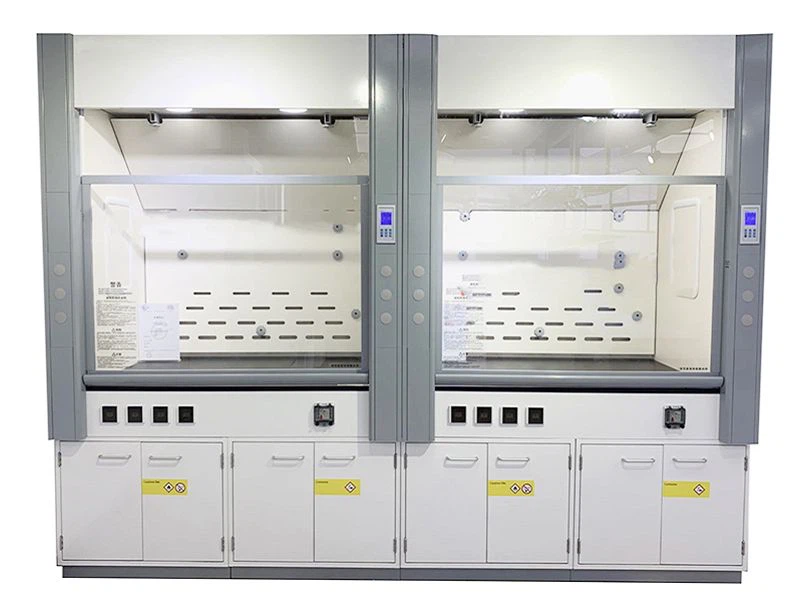
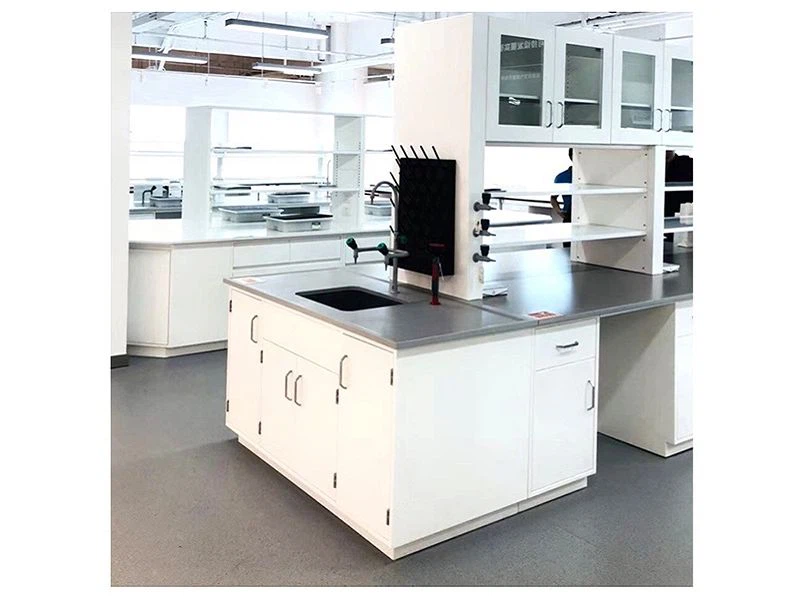
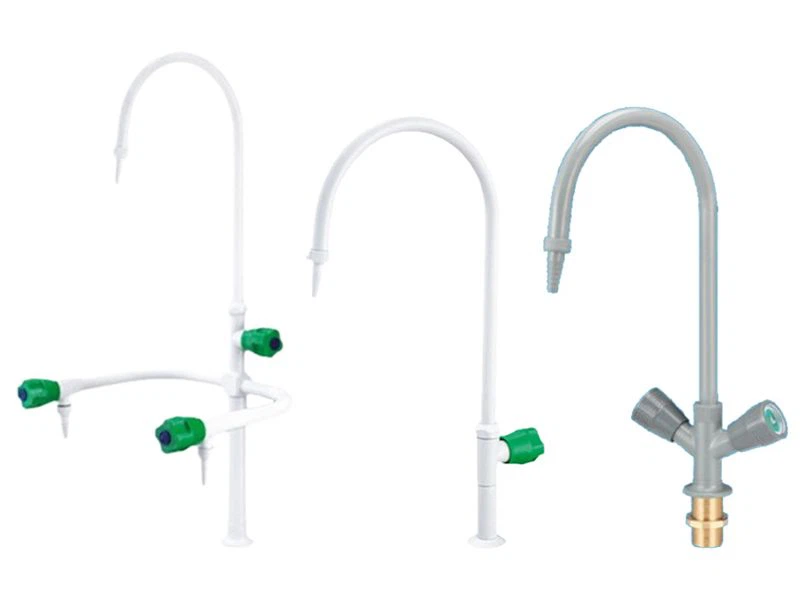
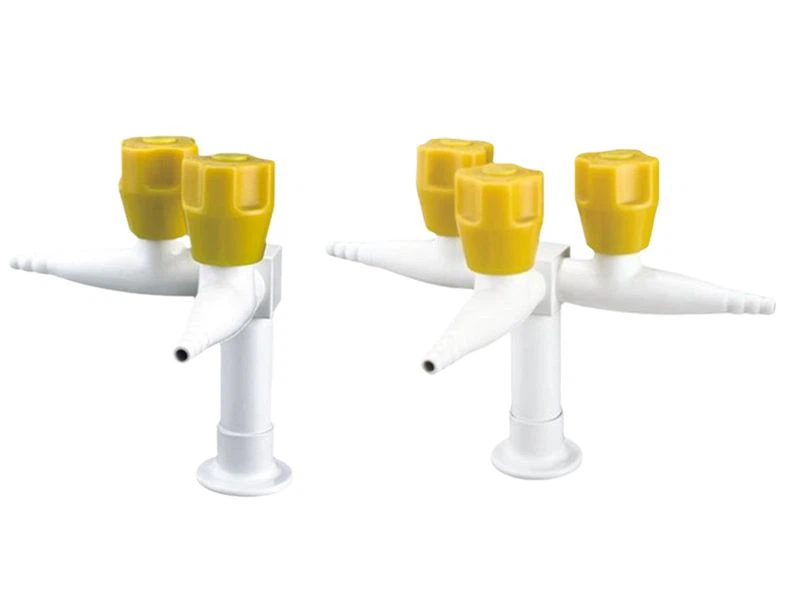
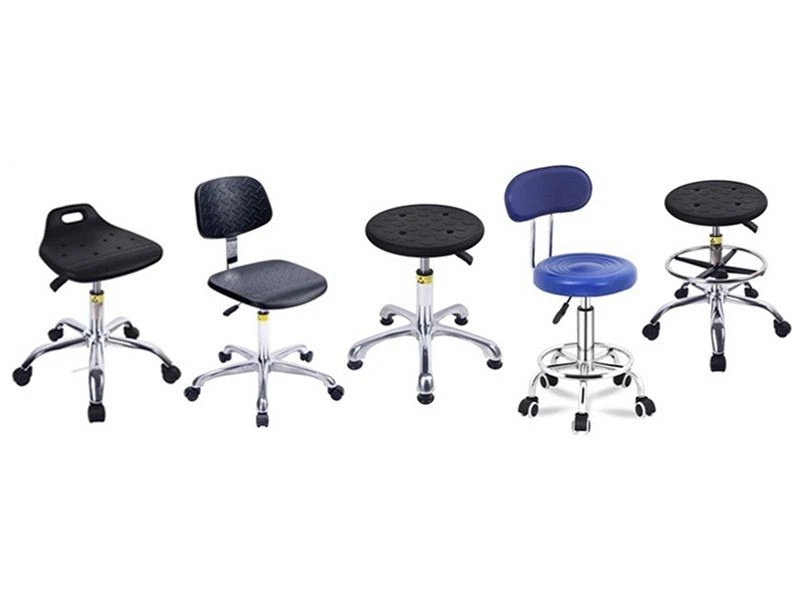
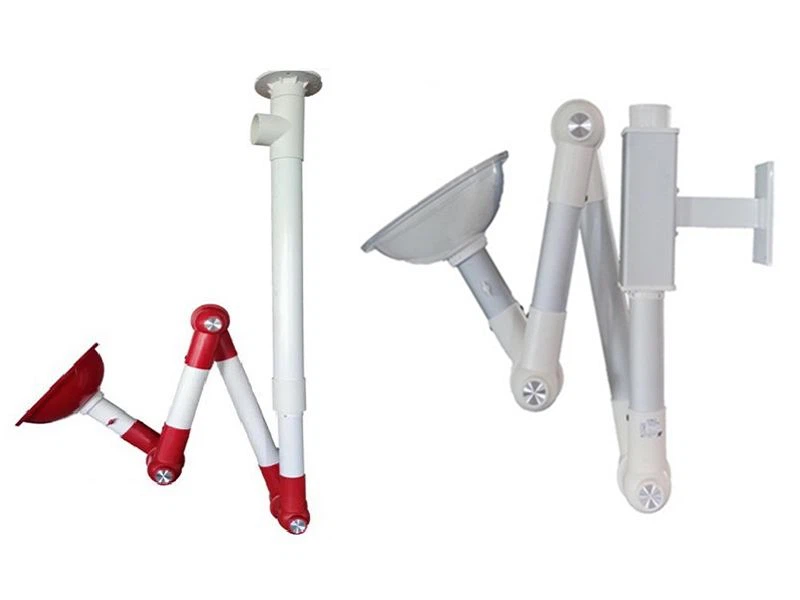
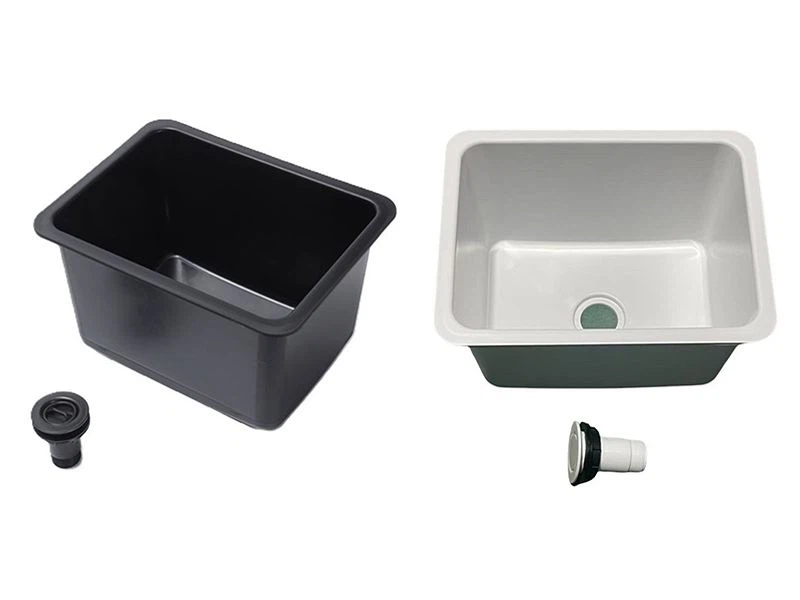
We are in Yantai, China. Our main productions include Lab Furniture, Fume Hood,Workbench,Lab cabinet etc; Lab Accessories, Faucet, Fume Extaction Arm, Lab Pegboard, Lab Chair, Lab Gas Tap, PP Sink, Eye Wash etc. Up to now, Our products have been exported to more than 30 countries, such as Russia, Kuwait, Mexico, Malaysia, Kazakhstan, India, Philippines, South Korea, South Africa, Indonesia, Thailand etc. So we can provide high service to our clients.
Main Products

FAQ
Q: What's is your shipping service?
A: We can provide services for vessel booking, goods consolidation, customs declaration, shipping documents preparation and delivery bulk at the shipping port.
Q: Can you provide the FBA shipping service?
A: Yes, we have the good experience in providing the professional FBA service.
Q: What's your tem of the delivery?
A: Our ordinary delivery term is FOB Qingdao/Shanghai. We also accept EXW, CFR, CIF, DDP, DDU etc. We'll offer you the shipping charges and you can choose the one which is the most convenient and effective for you.
Q: Which shipping way can you provide?
A: We can provide shipping by sea, by air and by express.
Q: What's your after-sale service?
A: Our quality warranty period is one year. Any quality problem will be solved to customer satisfactions.
Hot Tags: dual face pegboard, China dual face pegboard manufacturers, suppliers, factory, Double Face Pegboard, lab pegboard, Single Face Pegboard


