Preface
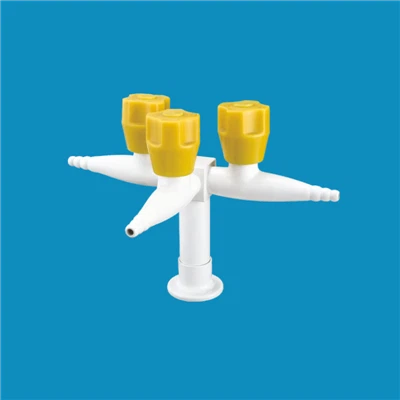
When undertaking overall planning and infrastructure procurement for modern laboratory construction projects, engineering investors, laboratory managers and equipment procurement specialists generally devote most capital budgets to high-end analytical testing instruments, constant temperature cultivation hardware, chromatographic separation assemblies, spectral detection devices and precision sample pretreatment apparatus. A widespread cognitive bias exists within the industry: terminal gas distribution valves installed on experimental countertops belong to trivial low-value auxiliary accessories, and ordinary gas switching components on the market can satisfy daily experimental gas consumption demands. Such oversimplified judgment ignores the huge gap between general industrial gas switches and laboratory-specific gas control fittings, and countless long-term operation cases have proven that inferior terminal gas valves will continuously breed potential safety hazards including slow gas permeation, unstable flow adjustment, surface corrosion and early sealing failure after laboratory completion. The Gas Tap with Single Outlet comes into being to fill this market gap, being purpose-built for independent gas supply requirements of single experimental workstation. This Gas Tap with Single Outlet adopts deck-mounted vertical single stand structural layout, equipped with independent rotary regulating knob and integrated barb-shaped gas outlet nozzle, forming a streamlined and unobstructed single gas conduction channel exclusively designed for laboratory fuel gas, inert shielding gas and compressed dry air transmission.
Every link including raw material screening, precision machining technology selection, surface anti-corrosion treatment and dimensional calibration of the Gas Tap with Single Outlet originates from long-term on-site tracking and pain point collection of frontline scientific researchers. All development indicators of the Gas Tap with Single Outlet take laboratory special microclimate characteristics, ultra-frequent cyclic switching operation and strict laboratory safety management specifications as core evaluation benchmarks. For newly built campus teaching laboratory complexes, reconstruction and upgrading projects of third-party analytical testing institutions, incremental renovation of pharmaceutical research and development experimental stations, and functional adjustment of industrial material testing workshops, the Gas Tap with Single Outlet can deliver secure, durable and forward-compatible terminal gas control solutions that adapt to continuous iteration of experimental projects for many years.
There is another typical misunderstanding prevailing among laboratory engineering purchasers: any gas tap capable of conducting gas flow can meet scientific experiment standards. Mass-produced low-cost all-plastic gas taps on wholesale channels suffer insufficient pressure resistance and weak anti-corrosion capability, prone to irreversible structural deformation after long-term erosion of volatile chemical aerosol inside laboratories; ordinary industrial ball valves only realize simple on-off control, lacking stepless fine adjustment function for low-flow gas required by microscale experimental operation; multi-outlet gas distribution taps arrange multiple gas outlets on one pedestal, bringing extra potential leakage nodes and increasing daily air tightness inspection workload for administrators. The Gas Tap with Single Outlet fundamentally circumvents the above series of defects through streamlined independent single-channel structural design. Since only one gas output passage is reserved on the Gas Tap with Single Outlet, the internal gas path maintains concise layout without redundant branch pipelines, effectively reducing the number of hidden leakage points of the whole gas supply loop.
When experimental operators only need to configure one set of gas-consuming equipment on a single workstation, choosing the Gas Tap with Single Outlet can prevent resource waste caused by idle redundant gas outlets. Meanwhile, the simplified pipeline layout logic helps laboratory maintenance personnel carry out regular safety inspection, lowering the overall difficulty of gas circuit troubleshooting work. As a professional terminal gas control hardware oriented toward single-station independent gas supply demand, the Gas Tap with Single Outlet fills the market blank between large-volume multi-port gas distribution manifolds and crude miniature gas switches, achieving balanced optimization among operational safety, functional matching degree and desktop space utilization efficiency. For laboratory construction projects pursuing refined standardized management, reasonably deploying the Gas Tap with Single Outlet on each independent experimental bench is a low-input but high-reward long-term infrastructure investment.
Chapter 1 Raw Material Configuration, Processing Technology and Itemized In-depth Performance Analysis of Gas Tap with Single Outlet
The long-cycle operational stability and environmental tolerance of laboratory terminal gas control fittings are fundamentally restricted by substrate material characteristics and post-surface finishing techniques. All structural components assembled onto the Gas Tap with Single Outlet pass multi-dimensional environmental simulation tests before finished product assembly, and material execution standards are far higher than entry-level gas control valves circulating in low-end supply chains. We systematically disassemble each core component of the Gas Tap with Single Outlet, elaborate material advantages, processing principles and practical operation value item by item, thoroughly abandoning stereotyped general commercial copywriting widely disseminated on global commodity websites.
1.1 Thick-wall Forged Copper Matrix and Compact High-gloss Epoxy Resin Protective Coating
Vertical support standpipe, horizontal gas conveying arm, internal valve cavity and circular bottom fixed base of the Gas Tap with Single Outlet all select thickened integrated forged copper blank as base material, rather than thin-wall stamped copper, recycled mixed copper alloy or full plastic raw materials widely adopted by manufacturers driven by cost reduction. Forged copper material features dense internal metallographic texture, extremely low micro-pore ratio and controllable residual stress distribution. In the numerical control turning, thread cutting and integrated forming manufacturing process, thickened wall structure eliminates hidden risks such as local pipeline thinning and cavity penetration easily generated on thin copper workpieces. When construction technicians apply standard installation torque to complete positioning fixation, thick copper matrix can effectively resist torsional stress without permanent bending deformation. Long-term slight vibration brought by frequent opening and closing operation will not trigger slow horizontal displacement of the base, which constitutes the fundamental guarantee for the Gas Tap with Single Outlet to maintain long-term reliable air tightness.
Numerous inferior gas tap products adopt thin stamped copper outer shell matched with plastic inner lining to compress production cost. Affected by continuous temperature alternation inside laboratory space, the difference in thermal expansion coefficient between copper shell and plastic lining will gradually produce tiny assembly gaps, eventually causing slow gas permeation at joint interfaces. The integrated forged copper structural scheme adopted by the Gas Tap with Single Outlet completely eliminates potential hidden dangers derived from mismatched composite materials. Surface anti-corrosion finishing constitutes a crucial differentiation marker between the Gas Tap with Single Outlet and competing copper gas taps that only carry out simple chrome electroplating treatment. The electroplated chromium protective layer is relatively thin, and the binding force between coating and copper substrate has obvious limitations. On irregular curved surfaces, angle transition zones and hidden assembly seams, electroplating liquid cannot form uniform and complete covering film, leaving micro exposed metal areas.
Once corrosive aerosol existing in chemical laboratories contacts bare copper substrate through coating gaps, continuous electrochemical oxidation reaction will occur, generating powdery copper oxide sediment. If these oxidized particles peel off and enter gas pipelines, they may block precision pressure regulators, flow meters and micro gas passages of chromatographic instruments, interfering with stable operation of gas-consuming testing equipment. To tackle this persistent industry bottleneck, the Gas Tap with Single Outlet adopts high-temperature electrostatic spraying technology matched with specially customized high-density epoxy resin composite paint. This unique coating formula is added with ultraviolet stabilizer, acid-base inert mineral filler and high-temperature resistant cross-linking adhesive agent. After heating curing procedure, continuous compact three-dimensional reticular protective film is formed to wrap all exposed metal surfaces of the Gas Tap with Single Outlet, building stable physical isolation barrier separating copper substrate and surrounding corrosive medium.
Inside chemical laboratories, volatile dilute inorganic acid mist, organic solvent steam and occasionally splashed reagent droplets exert persistent erosion threats to all exposed hardware surfaces. The dense epoxy wrapping layer of the Gas Tap with Single Outlet blocks direct contact between corrosive substances and metal matrix. Even if diluted chemical liquid accidentally splashes onto the exterior of the gas tap during sample pretreatment procedures, timely wiping with damp rag can clear residues without forming permanent etching traces. The thermal stability of epoxy coating deserves sufficient attention as well. Ordinary low-cost spray paint layers will bubble, peel and soften under long-term cold-hot alternating impact, yet the surface treatment configured on the Gas Tap with Single Outlet can maintain stable physical and chemical properties under conventional temperature fluctuation, effectively resisting thermal aging phenomena.
Laboratories equipped with large-area daylight windows suffer continuous ultraviolet radiation throughout daily operation cycles. Long-wave ultraviolet rays will break molecular chain structure of ordinary surface coatings gradually, resulting in yellowing, chalking and uneven color fading. The ultraviolet absorption additive blended into epoxy formula of the Gas Tap with Single Outlet converts ultraviolet radiation into low-energy thermal vibration, remarkably slowing photodegradation progress. After multiple years of natural light exposure, the white exterior tone of the Gas Tap with Single Outlet maintains uniform state without patchy discoloration, sustaining tidy and unified visual layout inside experimental workspace. Moreover, the high-gloss smooth surface greatly reduces surface adhesion energy. Dust particles, dried reagent residues and organic contaminants struggle to attach firmly onto coating exterior, lowering daily sanitation cleaning difficulty for laboratory management personnel. Operators can finish surface decontamination rapidly without repeated intensive scrubbing, cutting routine facility maintenance labor input to a reasonable range.
1.2 Ergonomically Optimized Yellow Modified Polypropylene Regulating Knob of Gas Tap with Single Outlet
Independent flow control knob installed on the top of valve body of the Gas Tap with Single Outlet adopts modified high-density cross-linked polypropylene raw material and is formed through precision injection molding, deliberately avoiding low-grade ABS plastic and unmodified low-density polypropylene applied by a large quantity of inexpensive alternative gas taps. Ordinary ABS plastic displays prominent performance defects when facing frequent temperature alternation inside laboratory environments. After repeated cold and hot fluctuation cycles, polymer molecular chains gradually lose flexibility and become brittle. When experimental staff twist knobs with slight force, edge chipping and surface cracking tend to emerge, rendering control components dysfunctional. The cross-linking modification treatment implemented on knob raw material of the Gas Tap with Single Outlet greatly strengthens intermolecular bonding force, simultaneously improving low-temperature toughness and high-temperature dimensional stability. This optimized material formula can resist structural fracture caused by temperature difference impact and frequent mechanical torsion for extended service cycle.
Thermal conductivity characteristic brings another critical safety advantage to the polypropylene knob equipped on the Gas Tap with Single Outlet. Metal knobs installed on many mid-range copper gas taps conduct heat rapidly. If obvious temperature fluctuation exists in laboratory environment or local pipeline temperature rises, exterior temperature of metal knobs will change sharply; careless casual touching may cause discomfort or accidental scald incidents for distracted operators. On the contrary, polypropylene belongs to low thermal conductivity polymer material. Even under drastic ambient temperature variation inside laboratory, surface temperature of the knob of the Gas Tap with Single Outlet will not rise or drop rapidly, effectively eliminating potential contact safety hazards. Industrial designers carry out comprehensive human factor engineering optimization during contour shaping of knob components. Multi-faceted anti-slip textures are evenly distributed on knob outer circumference. When laboratory workers' palms carry water stains, cleaning detergent or trace reagent residuals, sufficient friction force can be maintained during twisting movement, preventing slippery operation failure and supporting precise gas flow regulation.
Overall dimension parameters of the knob originate from anthropometric data collected from batches of experimental practitioners. Rotational damping magnitude undergoes repeated adjustment to achieve labor-saving manipulation experience. Continuous high-frequency switch operation spanning multiple hours will not induce excessive wrist muscle fatigue, matching long-duration concentrated working rhythm inside scientific research laboratories. The standardized bright yellow color marking scheme is fully implemented on the Gas Tap with Single Outlet. Yellow possesses extremely high visual recognition degree under various indoor light intensity conditions, enabling operators to rapidly locate gas control components among densely arranged laboratory furniture and supporting hardware, which is especially valuable in emergency response scenarios.
Once abnormal gas leakage, pipeline vibration or equipment failure occurs at experimental station, staff can quickly find the knob of the Gas Tap with Single Outlet to cut off gas supply, winning precious time for risk troubleshooting and accident elimination. In teaching laboratory environments occupied by student operators lacking mature operational proficiency, the distinctive color coding system of the Gas Tap with Single Outlet acts as vital passive safety mechanism to reduce laboratory safety incidents induced by misoperation. Different from grey, black or silver knobs adopted by most gas taps on market, bright yellow forms clear visual differentiation, helping new laboratory employees quickly distinguish gas control valves from water taps, power switches and other functional hardware on the workbench.
1.3 High-precision Rotary Sealing Valve Core Assembly of Gas Tap with Single Outlet
Built-in valve core assembly serves as decisive functional component governing long-term air tightness performance of the Gas Tap with Single Outlet, determining service cycle and flow regulation precision of the whole fitting. This Gas Tap with Single Outlet equips industrial-grade rotary composite sealing valve core specially developed for low-pressure laboratory gas pipeline system. Its operation principle has essential difference from outdated simple rubber plug sealing structure widely used in low-cost gas switches. Traditional elastic sealing components such as ordinary rubber gaskets will experience progressive aging hardening after long-term contact with gas medium, trace organic volatile substances and ambient temperature variation. Elasticity declines irreversibly over time, creating micro gaps between sealing contact surfaces. After operators close the knob, residual gas pressure will push gas through tiny gaps, forming continuous slow leakage which brings severe safety risks to relatively closed laboratory spaces.
The optimized composite sealing structure adopted by the Gas Tap with Single Outlet relies on high wear-resistant elastic sealing sheets matched with precision polished metal sealing surfaces to realize gas channel conduction and shutoff. Special formula sealing material possesses outstanding resistance against organic solvent erosion, low temperature brittleness resistance and long-term anti-aging capability, fundamentally alleviating failure risks brought by ordinary rubber aging. The customized valve core configured on the Gas Tap with Single Outlet completes strict cyclic endurance verification, capable of sustaining hundreds of thousands of independent open-shut movements without clamping stagnation, gas seepage or structural deformation. We can convert this testing indicator into practical service reference data: supposing each experimental station completes average dozens of open-close actions every business day, the valve core can maintain stable operation for more than 15 consecutive years theoretically under normal utilization intensity.
Such outstanding endurance capability drastically reduces frequency of accessory replacement and later-stage maintenance works for laboratory engineering projects, cutting comprehensive facility operating expenditure in long run. The valve core can withstand stable operation within pressure range commonly adopted by laboratory gas supply systems, coping with slight instantaneous pressure fluctuation when multiple experimental stations start or stop gas consumption simultaneously. Low-specification valve cores cannot bear transient pressure oscillation, triggering micro gas leakage after valve closure under peak pipeline pressure. The robust pressure resistance characteristic embedded inside the Gas Tap with Single Outlet enables stable operation facing variable pressure conditions inside laboratory complexes, sustaining consistent gas output status without unexpected sealing breakdown.
Moderate rotation angle design delivers intuitive and controllable operation logic for personnel utilizing the Gas Tap with Single Outlet. Rotational stroke maintains reasonable range, neither excessively sensitive leading to abrupt gas surge nor overly sluggish requiring excessive rotation angle to reach target flow volume. High-temperature inert lubricant fills internal clearance of valve core assembly. Even after tens of thousands switching cycles, twisting resistance remains uniform, avoiding irregular phenomena such as loose rotation clearance or stiff clamping. Stable manipulation feedback helps experimental technicians modulate gas flow steadily, especially valuable for microscale combustion experiments, carrier gas supply for chromatographic instruments and other procedures demanding mild controllable gas stream. Many inferior gas taps on market only support two-stage simple switching between full open and full close, lacking intermediate stepless adjustment function, unable to satisfy diversified experimental requirements of precise gas flow control. The Gas Tap with Single Outlet makes up this obvious functional deficiency through elaborately calibrated valve core structure.
1.4 Integrated Barb-type Single Gas Outlet Nozzle of Gas Tap with Single Outlet
Terminal gas outlet assembly constitutes another specialized functional feature distinguishing the Gas Tap with Single Outlet from ordinary general gas switches. Common gas valves only reserve simple straight pipe outlets without optimized barb structure. When connecting flexible gas delivery hoses, the pipeline is easy to slip off under gas pressure impact, triggering sudden gas leakage accidents. In contrast, the Gas Tap with Single Outlet integrates integrally molded serrated barb nozzle at tail end of horizontal gas delivery arm. Multi-stage convex barb contour on nozzle exterior enables secure sleeving of silicone hoses, rubber delivery tubes and miniature gas circulation pipelines. Under normal operating gas pressure, connected flexible tubes remain firmly fixed without slipping off and triggering unexpected gas leakage, supporting stable gas supply for analytical instruments, micro combustion equipment and experimental reaction devices.
Integral forming technology eliminates assembly seams between horizontal arm and outlet nozzle of the Gas Tap with Single Outlet. Extra connecting interfaces mean additional potential leakage points. Integrated molding reduces number of assembly gaps of whole gas path, further improving overall gas tightness of the Gas Tap with Single Outlet. Outer diameter specification of the barb nozzle complies with mainstream laboratory gas hose dimensional standards in global regions. Laboratory equipment suppliers and engineering constructors can purchase matched connecting pipelines conveniently without custom-made special hoses, lowering supporting material procurement difficulty and extra processing expenditure during laboratory fitting-out stage. The smooth inner wall of gas outlet nozzle prevents tiny solid impurities inside pipelines from being trapped and causing partial channel blockage, ensuring continuity and stability of gas delivery. When long-term operation leads to slight solid sediment accumulation inside nozzle, operators can carry out disassembly and cleaning conveniently without adopting complicated professional tools, maintaining stable gas throughput of the Gas Tap with Single Outlet continuously.
It is worth emphasizing that the barb nozzle and main valve body of the Gas Tap with Single Outlet form an interconnected integral gas passage, without any secondary threaded connection in the middle section. Many competitive products adopt split-type spout structure, connecting horizontal arm and outlet nozzle through threads. After long-term vibration and temperature alternation, threaded joints gradually loosen and produce leakage hidden danger. The one-piece forming design adopted by the Gas Tap with Single Outlet removes such risk source from structural design level, further elevating intrinsic safety of terminal gas supply.
1.5 Vertical Deck-mounted Overall Mechanical Stability of Gas Tap with Single Outlet
Overall mechanical layout of the Gas Tap with Single Outlet implements vertical single standpipe deck-mounted architecture, which can be directly fixed on tabletop of laboratory workbench. Many gas tap products adopt wall-mounted installation scheme, limiting applicable installation positions and cannot adapt to independent experimental table layout without nearby wall space. The deck-mounted design of the Gas Tap with Single Outlet brings extremely high installation flexibility. Construction personnel can arrange the Gas Tap with Single Outlet at any preset gas pipeline outlet position on experimental countertop according to experimental workstation layout planning, without being restricted by wall structure distribution. Circular bottom base enlarges contact area between the Gas Tap with Single Outlet and tabletop surface. Matching high elasticity waterproof anti-slip gaskets are arranged between gas tap base and tabletop. These elastic pads increase surface friction to resist equipment shifting during manipulation, prevent hard metal base scratching expensive laboratory countertop material, and supply auxiliary isolation barrier stopping liquid seepage penetrating installation holes into bench interior structure.
Complete dimensional parameters of the Gas Tap with Single Outlet are calibrated referring to international laboratory auxiliary hardware design conventions. Vertical height from tabletop mounting surface to horizontal gas outlet arm reserves sufficient operating space, avoiding mutual interference between gas pipelines, experimental vessels and operating personnel's arms during experimental operation. Standardized bottom thread interface is compatible with mainstream laboratory gas supply piping specifications across global regions. Standardized dimension system simplifies pre-construction planning workflow for laboratory furniture manufacturers and engineering contractors. Design teams can reserve installation openings and pipeline routing space directly referencing published dimension data of the Gas Tap with Single Outlet without repeated back-and-forth specification confirmation with hardware suppliers. Precise standardized parameters reduce probability of on-site construction modification during laboratory fitting-out stage, accelerating overall project progress and cutting extra construction expenditure induced by dimensional mismatch.
The vertical single-column layout occupies minimum desktop space compared with H-type double-column gas taps and multi-port horizontal gas distribution racks. For experimental benches with compact layout and limited usable area, deploying the Gas Tap with Single Outlet will not excessively occupy operating space reserved for placing beakers, sampling bottles, balance equipment and experimental auxiliary supplies, realizing reasonable balance between functional configuration and space utilization efficiency.
Chapter 2 Diversified Practical Application Scenarios and Adaptive In-depth Analysis of Gas Tap with Single Outlet
Different categories of laboratory premises formulate disparate operational norms, experimental objectives and gas intake requirements. The streamlined single-channel independent control architecture embedded within the Gas Tap with Single Outlet delivers adaptable gas supply solution covering educational teaching facilities, third-party inspection institutes, biomedical research hubs, pharmaceutical development workshops, chemical synthesis laboratories and industrial new material testing laboratories. Each application environment imposes unique challenges toward gas supply hardware, and we elaborate matching merits of the Gas Tap with Single Outlet scene by scene without copying generic scene classification paragraphs circulated across Internet commodity descriptions.
2.1 Primary, Secondary and Higher Education Teaching Laboratory Environment
Teaching laboratories feature intensive personnel mobility, batch centralized experimental courses and relatively irregular equipment operation behaviors by student groups, imposing rigorous demand on mechanical durability and safety performance of gas supply hardware. Long-cycle sealing endurance indicator of the Gas Tap with Single Outlet fully accommodates high-frequency daily utilization within teaching scenarios. Basic chemistry curriculum requires stable fuel gas supply for flame heating experiments including test tube heating, solution evaporation and solid substance sublimation. Traditional multi-port gas taps often lead students to randomly connect redundant gas outlets, increasing unnecessary hidden leakage risks inside teaching laboratories. Equipping each independent student experimental workstation with the Gas Tap with Single Outlet enables each operation station to only reserve one available gas supply passage, guiding students to form standardized gas utilization habits and lowering safety management pressure for laboratory instructors.
Intuitive bright yellow knob marking fitted onto the Gas Tap with Single Outlet suits student operators lacking abundant laboratory operational experience. Teachers can briefly explain gas valve identification rules during pre-experiment safety training, reducing gas leakage safety incidents inside teaching laboratory venues. The deck-mounted installation mode allows flexible layout of the Gas Tap with Single Outlet on each group of experimental tables, adapting to different classroom table arrangement schemes. Robust anti-corrosion copper framework of the Gas Tap with Single Outlet tolerates occasional accidental reagent splashes occurring during student operation mistakes. Even dilute chemical liquid spills onto gas tap exterior surface, permanent structural damage will not emerge rapidly, alleviating daily maintenance burden for school laboratory management staff. Science popularization laboratories inside primary schools, undergraduate chemistry teaching laboratories of comprehensive universities and chemical experiment training workshops operated by vocational colleges all represent suitable installation locations for the Gas Tap with Single Outlet.
2.2 Third-party Analytical Testing Institutions, Environmental Monitoring Laboratories
Commercial testing laboratories, municipal environmental monitoring stations and water quality analytical facilities implement strict control over testing data stability, gas source continuity and equipment anti-interference management. Numerous analytical testing instruments such as gas chromatograph, atomic absorption spectrophotometer need continuous and stable carrier gas or fuel gas supply during operation. Each independent analytical instrument only requires one gas access pipeline under normal working conditions. Deploying the Gas Tap with Single Outlet beside each instrument workstation can provide exclusive independent gas control switch for testing equipment. When instrument maintenance, routine overhaul or troubleshooting work needs to be carried out, technicians only need to close the corresponding Gas Tap with Single Outlet without affecting normal gas supply of other adjacent analytical equipment, realizing partitioned independent management of gas supply loops inside testing laboratories.
Reliable long-term gas tightness performance of the Gas Tap with Single Outlet avoids continuous slow gas leakage inside closed instrument laboratory spaces. Once gas accumulates to reach critical concentration, it will bring explosion risk and interfere with detection precision of gas-sensitive testing sensors. Built-in optimized sealing structure of the Gas Tap with Single Outlet can maintain stable sealing performance for years of continuous operation, reducing frequency of regular gas tightness inspection work for laboratory management personnel. The barb-type gas outlet nozzle of the Gas Tap with Single Outlet ensures reliable connection with instrument gas inlet hose, preventing pipeline separation caused by accidental pulling during instrument debugging and sample replacement procedures. Installation positions suitable for the Gas Tap with Single Outlet cover instrument analysis workbenches, sample pretreatment auxiliary stations and gas pipeline terminal distribution zones of analytical laboratories. Every structural detail implemented on the Gas Tap with Single Outlet gets formulated targeting long-duration standardized commercial testing operation.
2.3 Biochemical Research Premises, Pharmaceutical Synthesis Laboratories
Biochemistry laboratories, drug formulation development centers and organic synthesis research rooms raise stringent criteria regarding equipment surface sanitation accessibility and disinfection feasibility, closely connected with daily laboratory safety management specifications. Smooth pore-free high-gloss epoxy coating exterior of the Gas Tap with Single Outlet lacks micro pits and concealed structural corners liable to trap organic residues, culture medium remnants and chemical pollutants. After daily experimental activities conclude, cleaning staff can complete surface wiping and disinfection rapidly using conventional laboratory sanitizers. Hard-to-reach dirt hiding spots seldom exist on the Gas Tap with Single Outlet, assisting facility operators in sustaining satisfactory sanitation level complying with laboratory management protocols. Many organic synthetic experimental procedures demand stable inert gas protection or fuel gas heating reaction conditions; independent control function of the Gas Tap with Single Outlet allows researchers to freely open or cut off gas supply according to reaction progress without interfering with other experimental groups distributed in the same laboratory space.
High-density polypropylene knobs installed on the Gas Tap with Single Outlet possess favorable chemical inertness, resisting chemical reaction with most common laboratory disinfectants and organic solvent vapor. Polypropylene material avoids corrosion deterioration under long-term contact with trace volatile organic compounds, sustaining hygienic operating state continuously inside biochemical experimental environments. Within regular biochemical laboratory synthesis and cleaning zones, the standard Gas Tap with Single Outlet fulfills daily experimental gas supply requirements comprehensively.
2.4 Industrial R&D Workshops, New Material Evaluation Laboratories
Chemical material manufacturers, new energy substance research centers and coating formulation laboratories frequently contain volatile chemical vapor, oily aerosol and persistent temperature fluctuation within indoor operating environment, forming harsh working conditions for ordinary gas control hardware. Multi-dimensional anti-corrosion and anti-aging characteristics embedded within the Gas Tap with Single Outlet cope with demanding industrial laboratory microclimate adequately. Experimental technicians utilize fuel gas for material high-temperature sintering test, or adopt inert gas for raw material oxidation prevention experiments. The adjustable connecting hose matched with barb nozzle of the Gas Tap with Single Outlet facilitates gas delivery toward various experimental reaction vessels and testing molds placed inside sink or operation area. Stable sealing performance of the Gas Tap with Single Outlet can adapt to complex centralized gas supply piping networks constructed inside industrial plants, handling pressure oscillation arising from simultaneous gas consumption of multiple workshop equipment reliably, delivering consistent gas supply support for material performance testing and formulation research programs.
2.5 Quality Control Laboratory of Food and Beverage Enterprises
Food processing factories, beverage production enterprises and food raw material inspection centers need to deploy multiple sets of analytical testing equipment for raw material composition detection, microbial auxiliary culture and additive content analysis. A large quantity of gas chromatographic detection devices require independent carrier gas access. Each detection instrument corresponds to one set of the Gas Tap with Single Outlet, realizing independent switch control of gas source for each testing station. When individual equipment needs shutdown maintenance, operators can cut off gas supply through the matched Gas Tap with Single Outlet without disturbing continuous detection work of other instruments. The anti-corrosion surface coating of the Gas Tap with Single Outlet can resist occasional splashing of food extract solution and cleaning disinfectant inside food laboratories, maintaining stable appearance and performance for long-term continuous production inspection work.
Chapter 3 Comprehensive Horizontal Comparative Analysis Between Gas Tap with Single Outlet and Alternative Market Products
To objectively demonstrate differentiated competitive advantages possessed by the Gas Tap with Single Outlet, we conduct multi-angle contrast evaluation versus four mainstream substitute products circulating within laboratory hardware supply market: all-plastic injection molded gas taps, multi-outlet laboratory gas taps, ordinary industrial ball valves and wall-mounted single port gas cocks. Each comparison dimension focuses on practical long-term operational performance rather than superficial initial procurement cost, analyzing advantages and latent defects of each category comprehensively without adopting simplified pros-and-cons table layout.
3.1 Gas Tap with Single Outlet versus All-plastic Injection Molding Laboratory Gas Taps
All-plastic laboratory gas taps dominate low-budget preliminary laboratory fitting-out projects relying on extremely low unit quotation. However, apparent performance limitations emerge gradually following short-duration utilization. Structural rigidity represents the most prominent defect of all-plastic fixtures. Most manufacturers utilize recycled ABS or low-density polypropylene as primary molding material. When construction workers tighten pipeline threads during installation, excessive torque easily cracks plastic valve body directly, resulting in complete product scrappage instantly. After installation completes, long-term knob rotation generates continuous stress concentrating onto plastic base stand. Within service duration ranging from one year to two years, base fracture and pipeline gas leakage incidents occur frequently. In temperature resistance aspect, ordinary plastic undergoes irreversible thermal softening under sustained ambient temperature fluctuation, deforming internal threaded interfaces and triggering persistent gas seepage. Furthermore, inferior recycled plastic formulations tend to release trace organic contaminants when encountering organic solvent vapor inside laboratory, establishing potential interference risks for precision experimental activities.
The Gas Tap with Single Outlet adopts thick forged copper primary framework possessing outstanding mechanical torsion resistance and structural fatigue resistance. Thermal deformation risk gets eliminated completely under alternating temperature impact environment. Inert epoxy exterior coating does not release soluble pollutants under any regular operating temperature range. Although upfront purchasing expenditure of the Gas Tap with Single Outlet exceeds all-plastic alternatives, ultra-low failure probability drastically reduces later-stage component replacement cost, on-site engineering rework expenditure and experimental loss caused by unexpected equipment breakdown. Calculated across complete equipment service lifecycle, overall cost performance of the Gas Tap with Single Outlet surpasses low-price all-plastic taps by considerable margin, especially valuable for laboratories planning continuous operation spanning over ten years.
3.2 Gas Tap with Single Outlet versus Multi-outlet Laboratory Gas Taps
Multi-port gas taps integrate two or more independent gas output passages on one single base, suitable for workstations equipped with multiple sets of gas-consuming experimental equipment simultaneously. Yet such structural layout brings inherent drawbacks for most conventional experimental stations. For majority of independent experiment tables that only arrange one set of gas utilization devices, extra redundant gas outlets of multi-port gas taps become idle for a long time. Every idle outlet constitutes an extra potential leakage point. Laboratory safety management staff need to carry out regular air tightness inspection for all outlets, increasing daily safety inspection workload significantly. Long-term unused outlet sealing components also face aging risk, and sudden leakage may occur when experimental projects are adjusted later. In addition, multi-outlet gas taps occupy larger installation space on experimental tabletop, compressing limited operation area available for placing glassware, experimental samples and auxiliary testing tools.
Choosing the Gas Tap with Single Outlet during initial laboratory construction reserves only one exclusive gas output channel matching single equipment utilization demand. No redundant gas passages exist, minimizing potential leakage nodes of gas supply system. Streamlined structure occupies smaller installation space on workbench surface, saving precious operation area for experimental staff. If later experimental project adjustment requires adding extra gas supply ports, laboratory administrators can install additional independent Gas Tap with Single Outlet separately according to actual demand, realizing flexible incremental expansion of gas supply system without wasting pre-installed surplus passages. For laboratory engineering contractors proposing refined infrastructure scheme for clients, recommending the Gas Tap with Single Outlet helps end users avoid unnecessary safety risks brought by idle gas outlets and improves overall customer satisfaction toward completed laboratory projects.
3.3 Gas Tap with Single Outlet versus Ordinary Industrial Ball Valves
Ordinary industrial ball valves are originally designed for large-caliber industrial pipeline fluid and gas switching control, not optimized aiming at low-flow precise regulation requirements of laboratory microscale experiments. Switch logic of ball valve belongs to sudden on or sudden off mode; it cannot realize stepless fine adjustment of tiny gas flow volume. When experimental personnel need to carry out micro combustion, trace carrier gas supply and other operations requiring stable low gas flow, industrial ball valves cannot satisfy accurate flow control demands. Besides, most industrial ball valves lack anti-corrosion surface protective coating, and bare metal surfaces will be corroded rapidly under laboratory chemical vapor environment, generating rust impurities that block gas pipelines. Operation handle of ball valve usually adopts long rod design, which occupies large space and is easy to collide with surrounding experimental equipment during operation, triggering accidental switch action.
The Gas Tap with Single Outlet is specially developed for laboratory low-pressure micro gas supply scenarios. Rotary knob can realize stepless continuous adjustment of gas flow from closed status to rated maximum flow, supporting diversified experimental gas consumption demands ranging from tiny flow to conventional flow. Compact vertical layout occupies minimal desktop space and will not cause excessive spatial interference with surrounding experimental utensils. Anti-corrosion epoxy coating enables the Gas Tap with Single Outlet to adapt to laboratory complex microclimate for long-term operation. All design details are oriented toward scientific research scene demands, rather than rough industrial pipeline switching requirements, which makes the Gas Tap with Single Outlet more targeted for laboratory construction projects.
3.4 Gas Tap with Single Outlet versus Wall-mounted Single Port Gas Cocks
Wall-mounted gas cocks need to fix main body on wall surfaces through expansion bolts, which imposes strict requirements on distance between experimental tables and walls. If experimental furniture layout is adjusted in later renovation, fixed wall-mounted gas cock cannot move synchronously, resulting in mismatched position between gas outlet and experimental workstation. The deck-mounted structural design of the Gas Tap with Single Outlet breaks restriction of wall installation. As long as gas pipeline is reserved under tabletop, the Gas Tap with Single Outlet can be installed at any ideal position on workbench. When laboratory carries out furniture rearrangement or station function adjustment, the Gas Tap with Single Outlet can be disassembled and reinstalled along with experimental table, possessing extremely high layout flexibility. In addition, wall-mounted gas cock gas outlets are usually close to wall, and operators need to extend arms to connect hoses, bringing inconvenience for daily operation. Horizontal outward extending gas outlet arm of the Gas Tap with Single Outlet keeps gas nozzle located above middle area of tabletop, convenient for staff to complete pipeline connection, inspection and maintenance work.
Chapter 4 Standardized Installation Specification, Operational Guidance and Lifecycle Maintenance Protocol for Gas Tap with Single Outlet
Correct implementation of installation procedure forms prerequisite to fully unlock designed performance parameters of the Gas Tap with Single Outlet. Improper fitting operation easily induces hidden gas leakage, base inclination and premature component wear, shortening service lifespan of the Gas Tap with Single Outlet unnecessarily. We systematically sort out pre-installation preparation, on-site fitting sequence, post-installation inspection standards and periodic maintenance measures as below.
Before initiating installation activities, construction staff must verify bench opening dimension strictly matching specification requirement published for the Gas Tap with Single Outlet. Reserved penetration hole diameter needs to conform to product bottom thread outer diameter standard. Undersized opening blocks bottom threaded hardware passing through tabletop smoothly and generates extrusion stress deforming gas tap structure. Excessively large opening causes base unable covering hole completely, damaging visual integrity and weakening auxiliary waterproof function. Pipeline connection requires careful sealing treatment. Appropriate quantity of raw polytetrafluoroethylene sealing tape needs winding around external thread to reinforce sealing performance and prevent threaded joint gas seepage. Locking nuts demand even gradual tightening operation; unilateral excessive clamping force cracks brittle laboratory countertop material such as epoxy resin board easily. After securing base onto bench surface, operators should confirm main body of the Gas Tap with Single Outlet maintains vertical posture, and knob rotation movement remains smooth without jamming resistance.
Installation completion does not authorize immediate connection with formal gas supply pipeline instantly. Technicians ought carry out air tightness test independently first. It is suggested to connect temporary low-pressure compressed air source, coat all assembly joints with soapy water and observe continuously for sufficient time. If no bubble generation appears at any connecting position, it proves that installation sealing condition of the Gas Tap with Single Outlet reaches qualified standard and can be formally connected to laboratory gas supply main pipeline. Scientific periodic maintenance work extends stable service duration of the Gas Tap with Single Outlet effectively. Weekly surface cleaning activity serves as basic maintenance measure. Operators utilize soft lint-free damp cloth wiping epoxy coating exterior to eliminate dust and experimental residuals. Neutral mild detergent can assist clearing stubborn reagent stains when necessary. Highly corrosive concentrated acid descaling chemicals remain prohibited from contacting gas tap surface, to prevent irreversible etching damage toward epoxy protective coating of the Gas Tap with Single Outlet.
It is recommended to conduct comprehensive gas tightness inspection for the Gas Tap with Single Outlet every six months. Focus on checking thread connecting positions, rotary knob sealing area and barb nozzle assembly joints. Once slight bubble leakage is discovered during soapy water testing, relevant components should be maintained or replaced timely to eliminate safety hazards. During long-term laboratory shutdown and holiday standby, staff should completely close front-end main gas supply valve of the Gas Tap with Single Outlet, and cut off gas source input to avoid long-term static gas pressure continuously acting on internal sealing components, slowing down aging speed of sealing materials and further prolonging overall service life of the Gas Tap with Single Outlet. Through standardized installation and refined daily maintenance, the Gas Tap with Single Outlet can maintain stable high-performance operation for a long time, creating continuous and reliable safe gas supply environment for laboratory scientific research, teaching and testing work.
Concluding Remarks
In systematic construction of modern standardized laboratories, terminal gas control hardware is an indispensable ring affecting safety refinement level of laboratory operation. Inferior non-standard gas control fittings will bring a series of hidden troubles such as frequent gas leakage failure, potential explosion risk, high maintenance cost and short replacement cycle, restricting standardized development of laboratory work. As a high-standard professional customized gas supply control fitting for laboratory scenarios, the Gas Tap with Single Outlet integrates high-strength anti-corrosion substrate, high-stability sealing system, humanized operational design and space-saving structural optimization, solving many industry pain points of traditional laboratory gas supply control equipment
Features
Refined copper material: Corrosion-resistant, high-temperature-resistant, and effective in preventing rust.
Epoxy resin spray painting: high-temperature resistant baking paint process, combining practicality with aesthetics
Controlling water flow: By controlling the water flow through valves, it is possible to achieve the opening, closing, and adjustment of the water flow.
Safety protection: During the experiment, the air valve faucet can play a role in safety protection.
Ease of maintenance: The design of the single gas tap usually takes into account factors that facilitate maintenance. It is convenient for timely cleaning and maintenance.
Improving efficiency: The use of air valve faucets can improve the efficiency of experiments.


Product Specification
|
Main Body |
Thickened copper material |
|
Coating |
High-brightness epoxy resin coating, corrosion-resistant, heat-resistant, and UV radiation-proof |
|
Valve Core |
High-precision ceramic snap valve core, standard safety type valve core, with a switch life of up to 550,000 times, static pressure resistance of 40 bars |
|
Accessory |
Detachable brass serrated nozzle,splash-controlled water filter attachable |
|
Switch knob |
ABS knob, elegant, generous, ergonomic design, lightweight, durable |
|
Outlet |
Reduce the water outlet and install a spray splash faucet |
|
Advantage |
Long-lasting and durable |


Application

Advantages
1.Easy to installation
2.Strict quality management system
3.Professional services
4.OEM/ODM services
5.High quality products
1) Variety types for selection
2) Competitive price
3) Prompt delivery
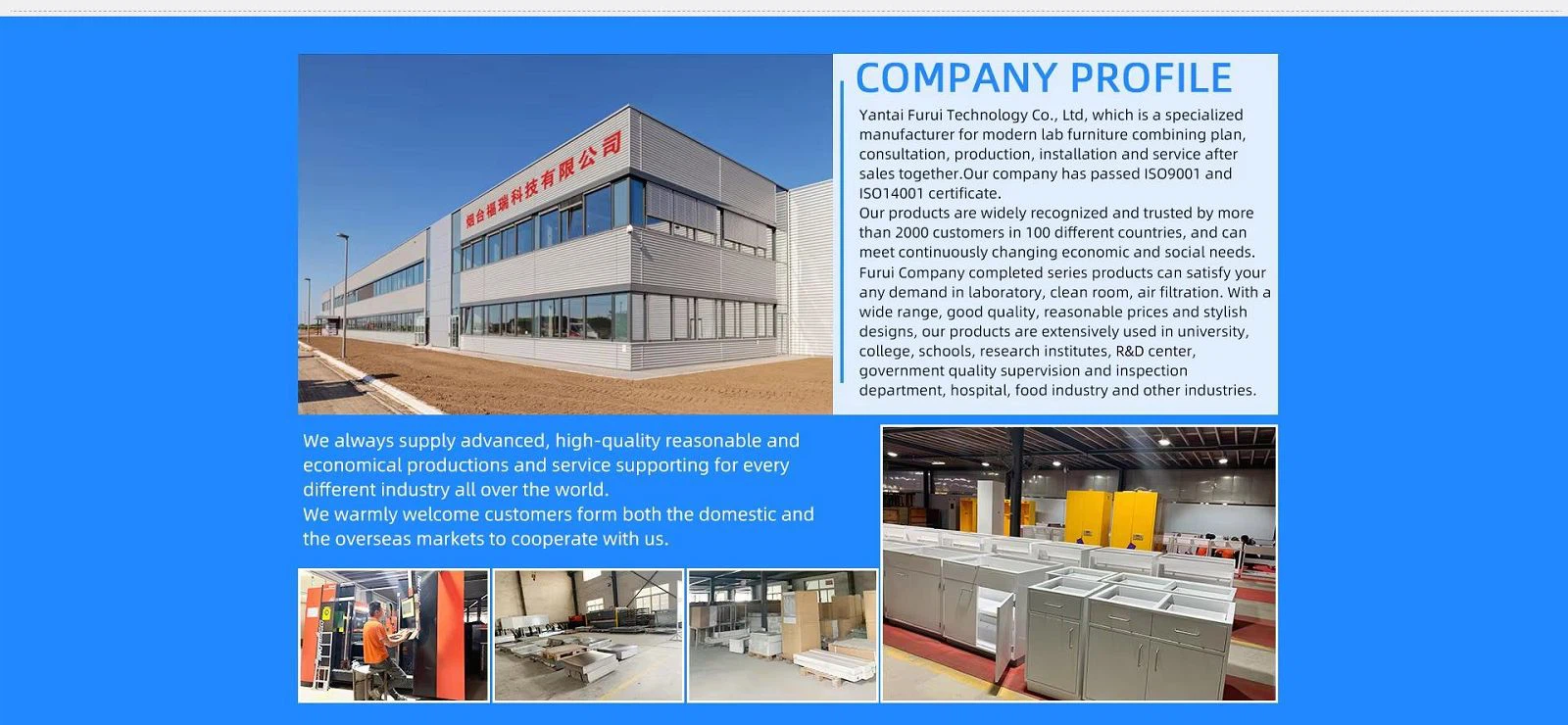

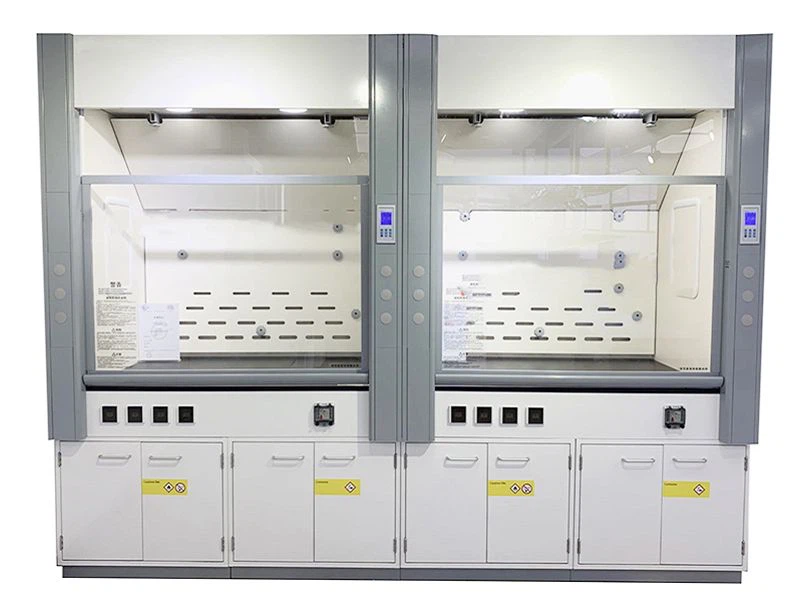
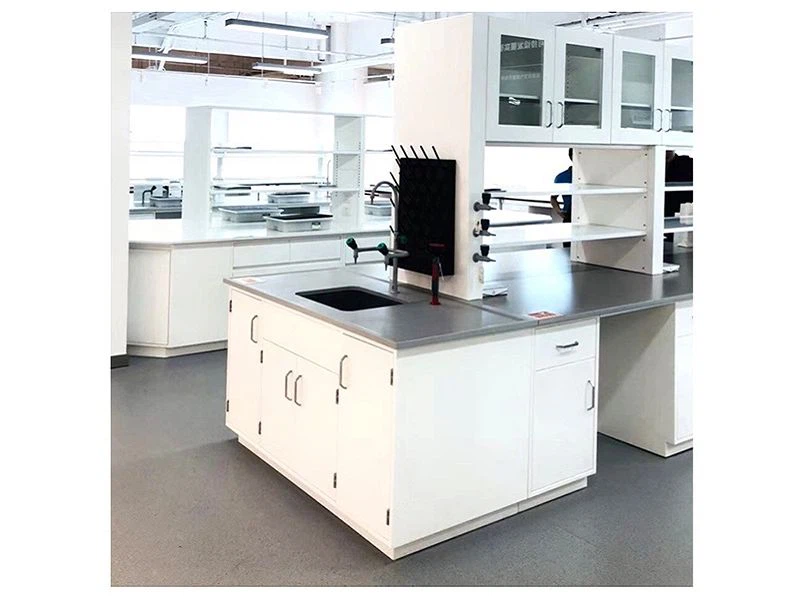
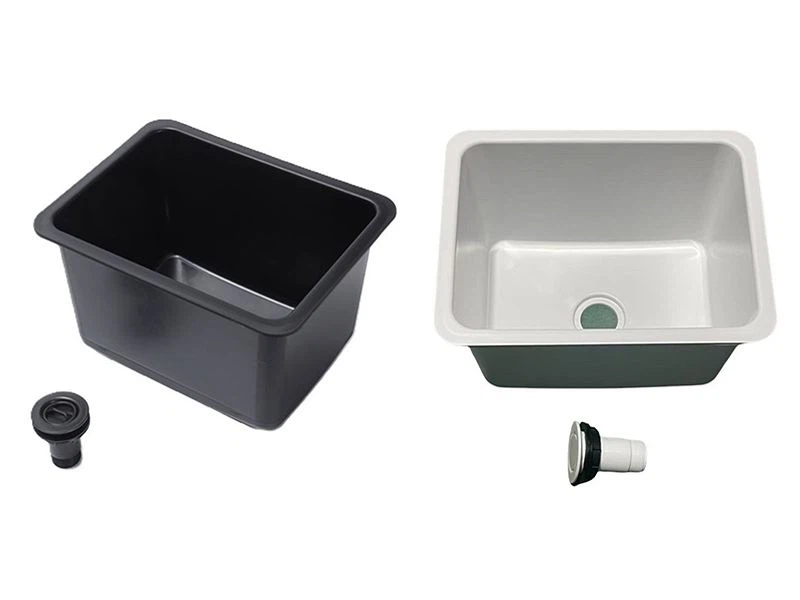
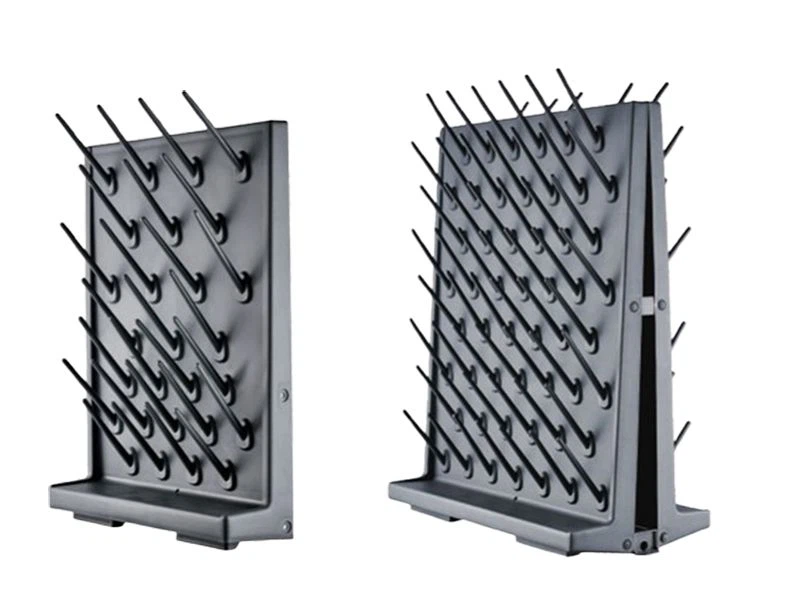
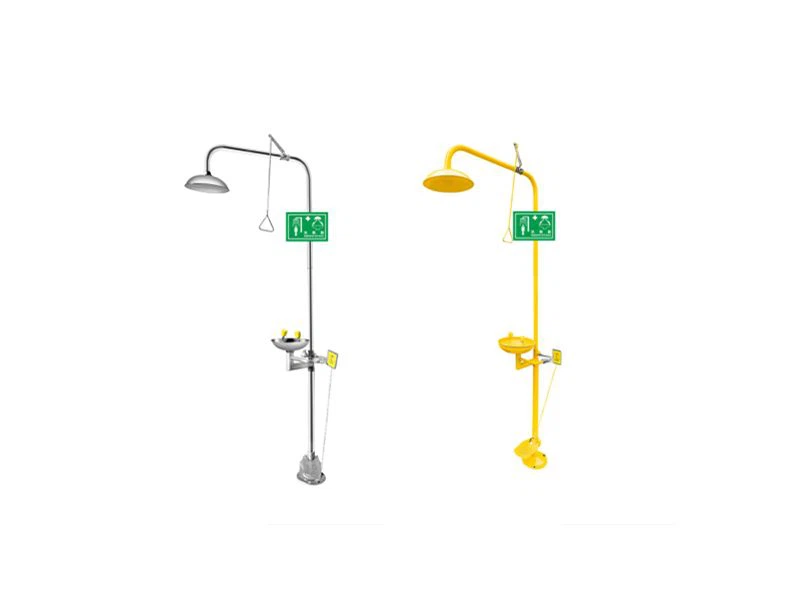
We are in Yantai, China. Our main productions include Lab Furniture, Fume Hood,Workbench,Lab cabinet etc; Lab Accessories, Faucet, Fume Extaction Arm, Lab Pegboard, Lab Chair, Lab Gas Tap, PP Sink, Eye Wash etc. Up to now, Our products have been exported to more than 30 countries, such as Russia, Kuwait, Mexico, Malaysia, Kazakhstan, India, Philippines, South Korea, South Africa, Indonesia, Thailand etc. So we can provide high service to our clients.
Main Products

FAQ
Q: How to solve the equipment trouble during using ?
A: Please email us about problem with pictures or a small video will be better,we will find the problem and solve it. If broken, we will send you a new free part if in the warranty period.
Q: What main software are you using in your product drawing?
A: We use the most advanced industry valve designing and developing software, like AutoCAD, and etc.
Q: Can we use our own logo?
A: Yes, we can print your private logo according to your request.
Q: When can I get the price?
A: Usually we quote within 8 hours after we get your inquiry.
Q: What's your MOQ?
A: If we have the products in stock, it will be no MOQ. If we need to produce, we can discuss the MOQ according to customer's exact situation.
Hot Tags: gas tap with single outlet, China gas tap with single outlet manufacturers, suppliers, factory, Double Gas Tap, Four Gas Tap, lab accessories, lab gas tap, Single Gas Tap, Three Gas Tap